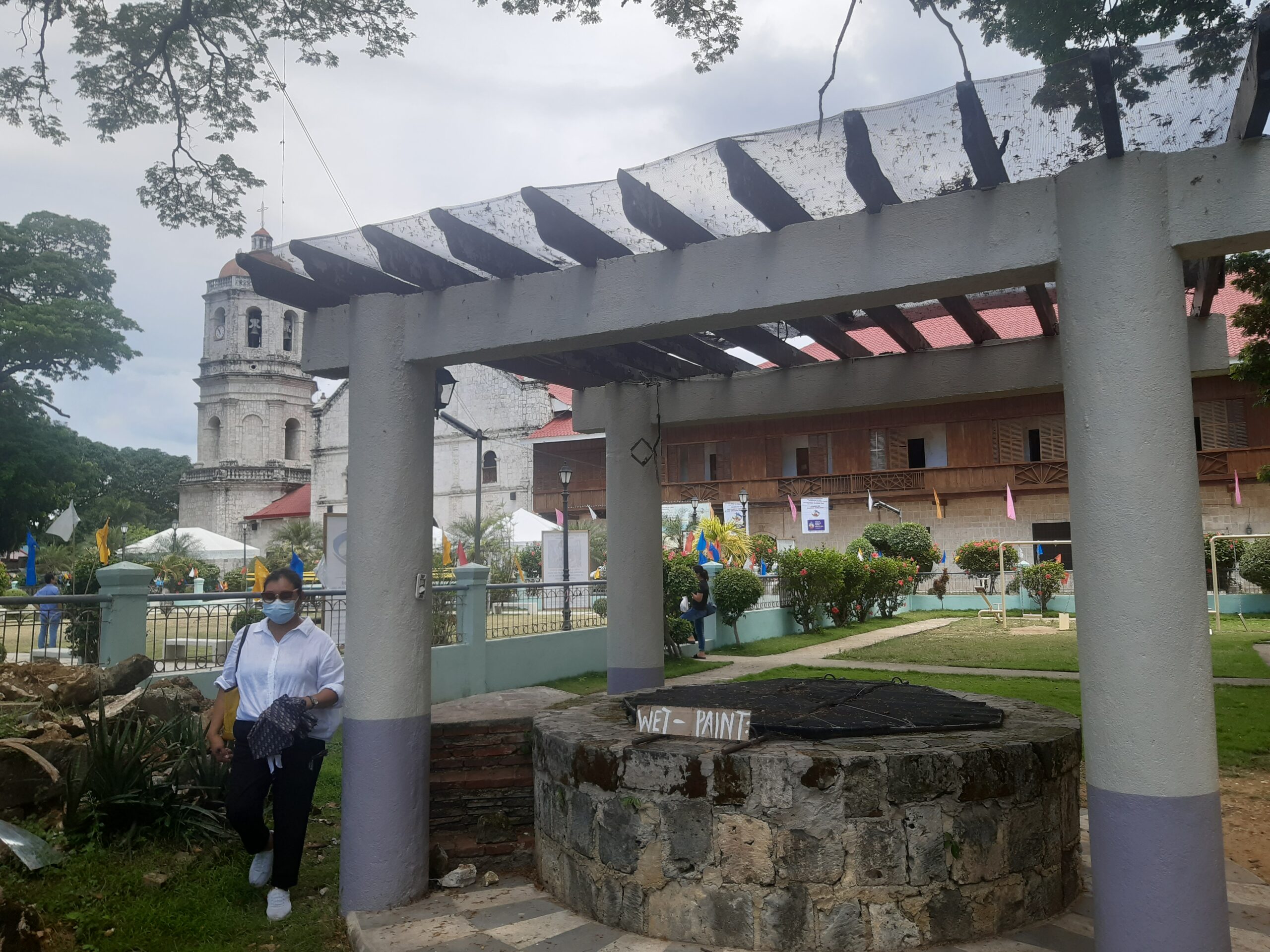
Perched on a hill many meters above the coast. The church of Samboan is certainly a very scenic place indeed. The town is Located several kilometers after Santander and the it is first town to face the southwestern side of Cebu. The parish was Established on November 3,1784 and many years after, the first church made of permanent material was constructed in 1842.
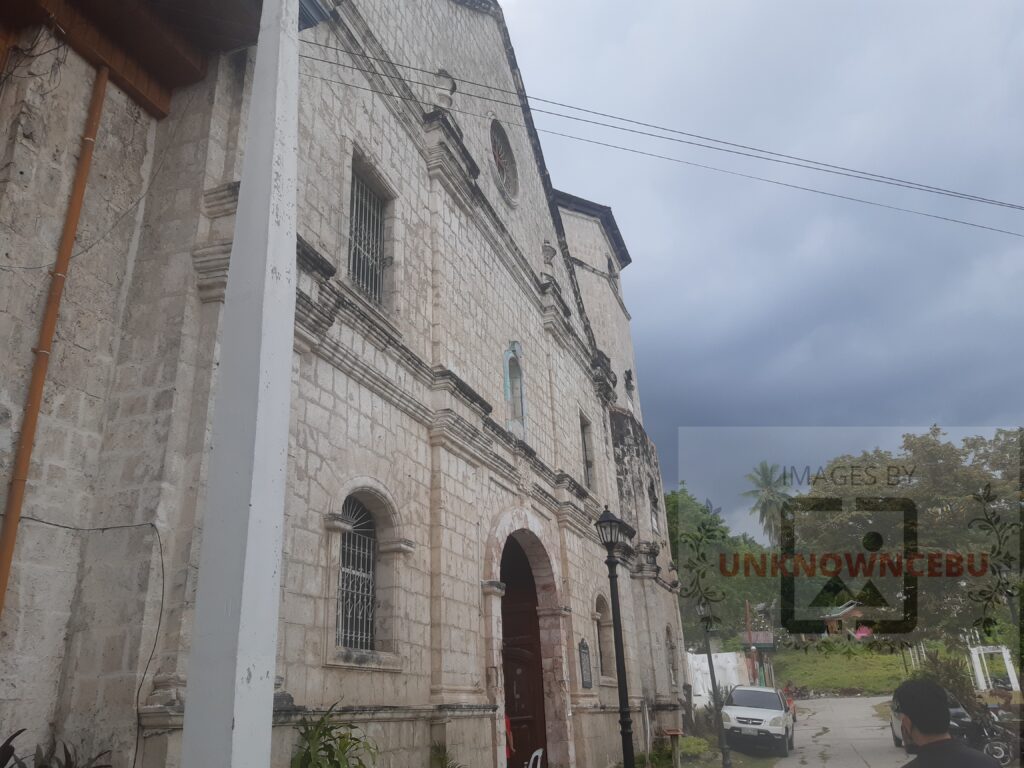
The church is typical of churches constructed in the Philippines during the time incorporating mostly earthquake-baroque architecture. Like many churches in Cebu the facade is composed of three levels which are separated by several thick horizantal cornices. Still on the facade, two pilasters rise up and atop them are two vase like finials. Windows on the first floor are semi circular. Windows on the second floor are square and in between is a small niche. The facade has a triangular pediment with a medium sized circle. Interestingly above the main portal a bas relief of the seal of Spanish crown is found meaning the church was constructed with support from the crown. Not much fanfare and intricacy was given to the facade. The absence of many bas reliefs gives credence to this.
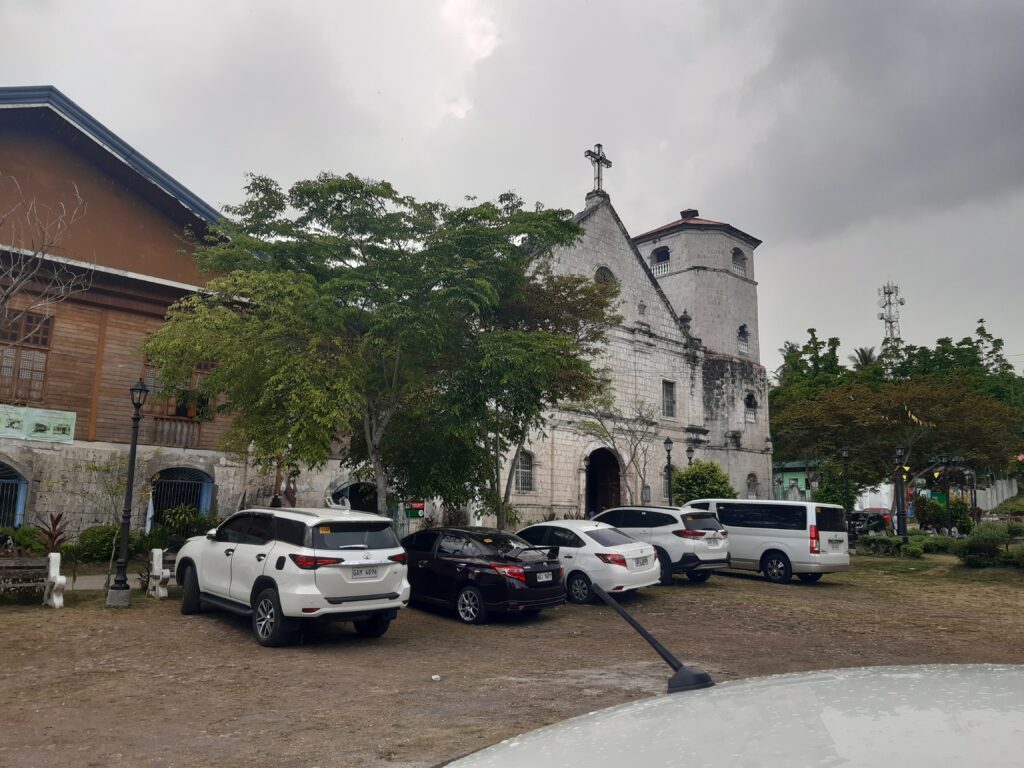
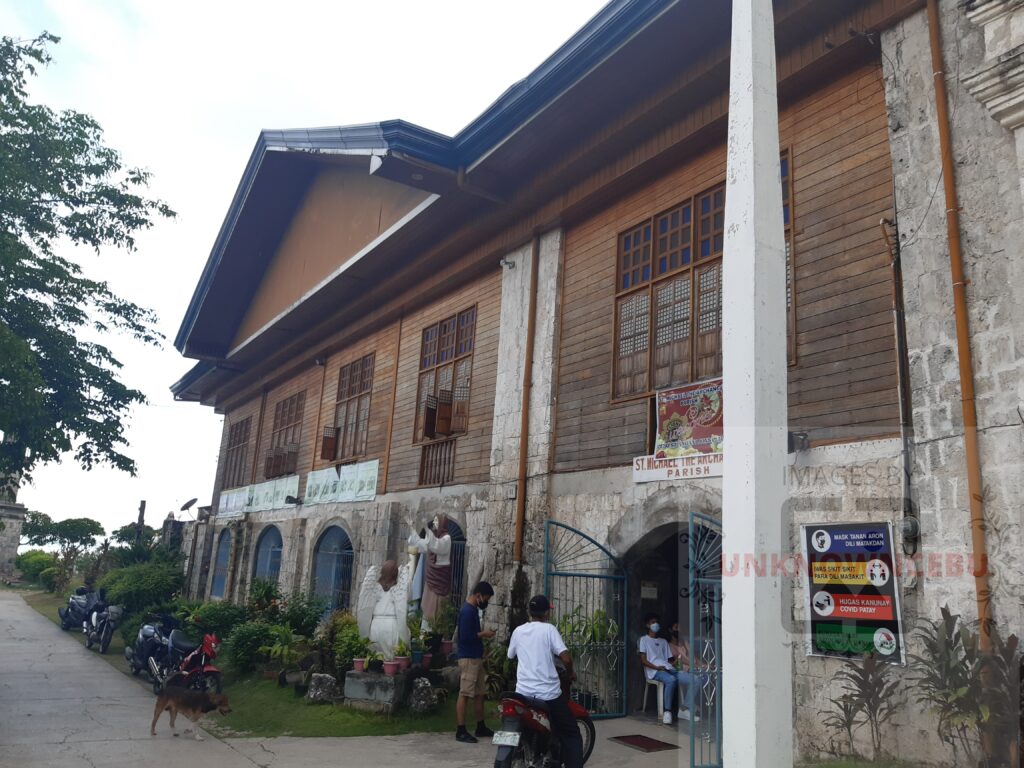
The belltower is at first glance quite tall and simple. The tower is a four floor structure with varying degrees in the height of each level. The It is octagonal in shape with the first two levels following the same windows as the church to right. The third level is the tallest of the four levels and has semi circular windows. The fourth level is the shortest and contains the churches many bells dating back to the 19th century. On the left side of the church is the convent which through time has not changed much aside from a few recent renovations to the second floor and roof it still remains the old Spanish convent. Its first floor is still made of cut coral stone.
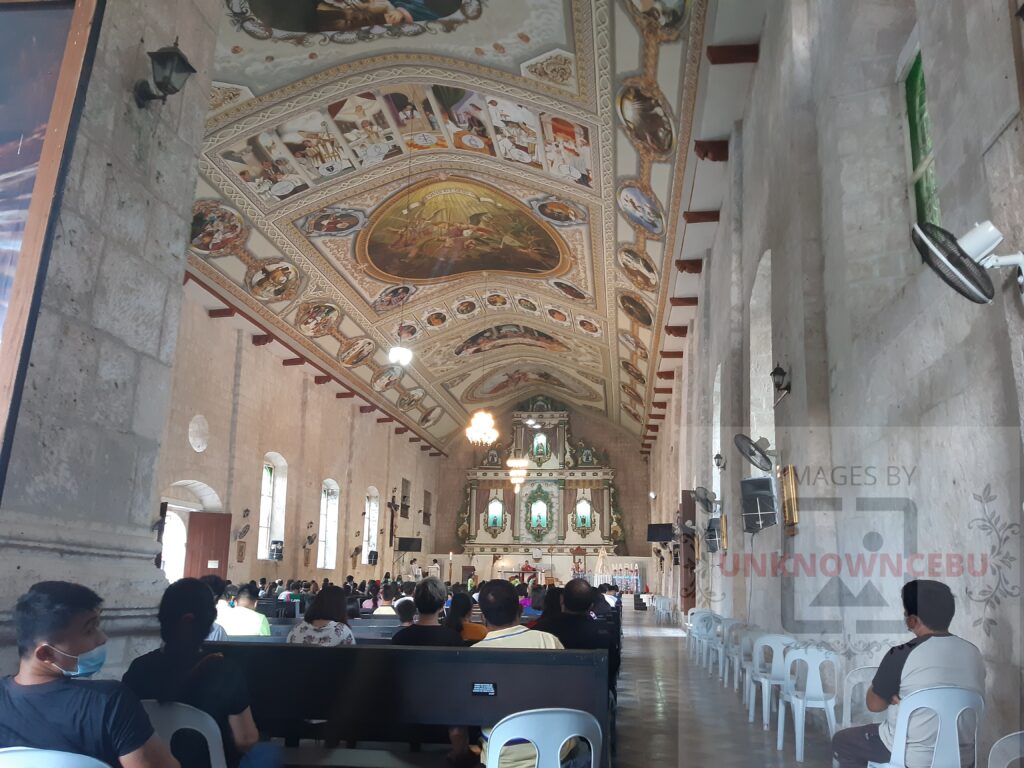
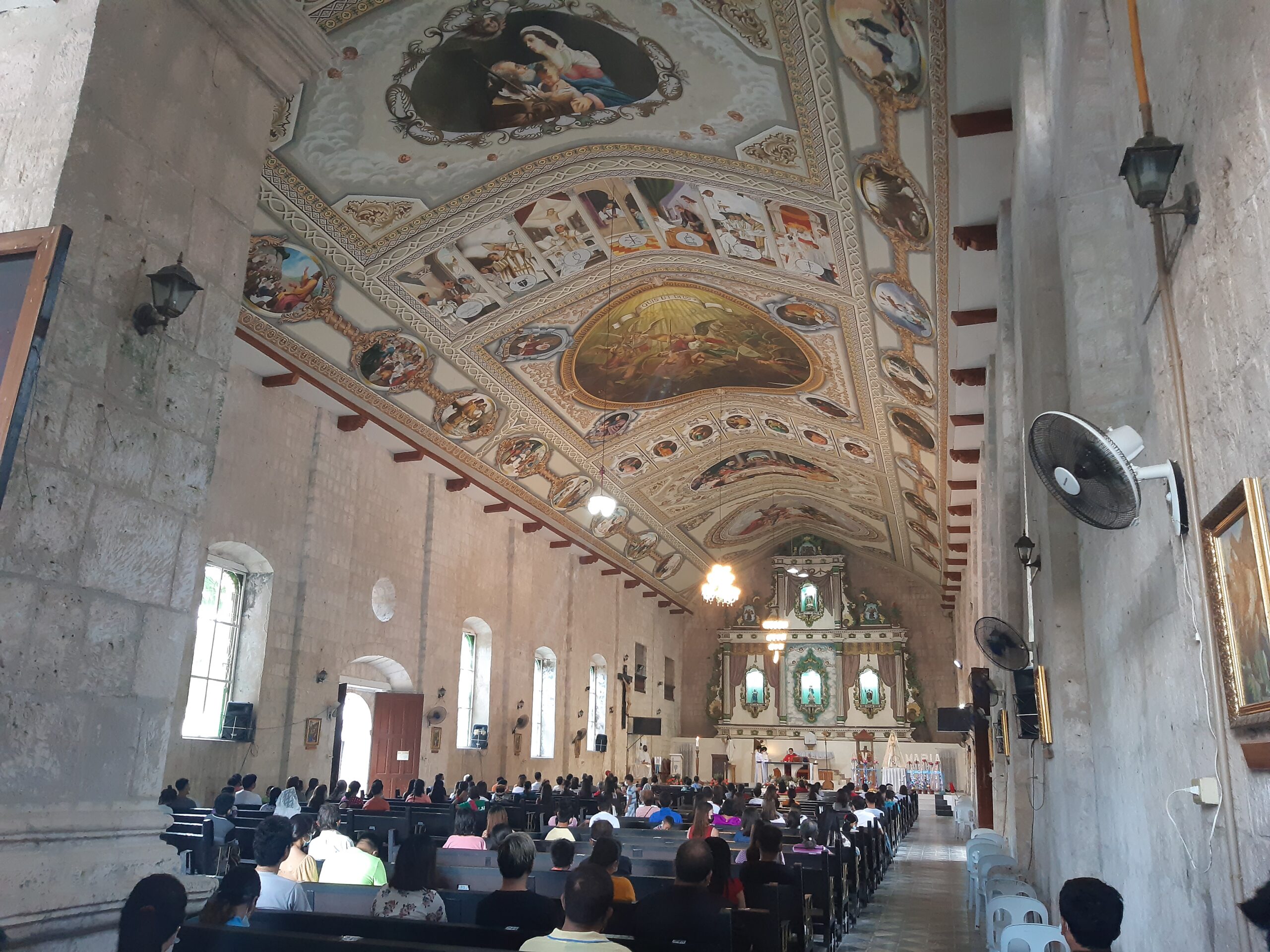
The interior of the church was a sight to behold. When looking up you see the recently painted ceiling, which is quite American in style but I digress. The ceiling painting is a great piece of art though not very old still adds allot to the atmosphere of the interior. The retablo seems recently painted, but it is quite clear that it is a spanish made one unlike some contemporaries. I must thank the person in charge of managing the painting of the retablo as it looks like it belongs in the Spanish period with colors that imitate polychrome style. On the floor macchuca and harlequin tiles mostly original dating back to the 1920s-1930s. The choir loft is supported by two coral stone columns and to the side is a tribuna.
In summary the church is really a marvel and I must praise the town for keeping it mostly preserved. Though the area has changed I think i can say the church looks very original. Take care of heritage, change what is required, but never loose sight of the origin.