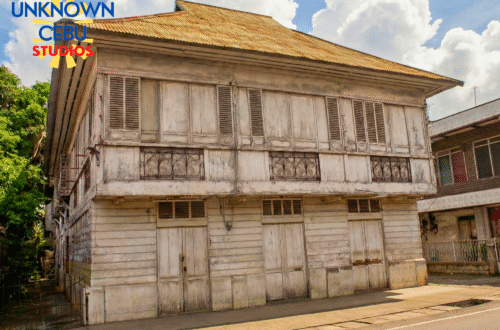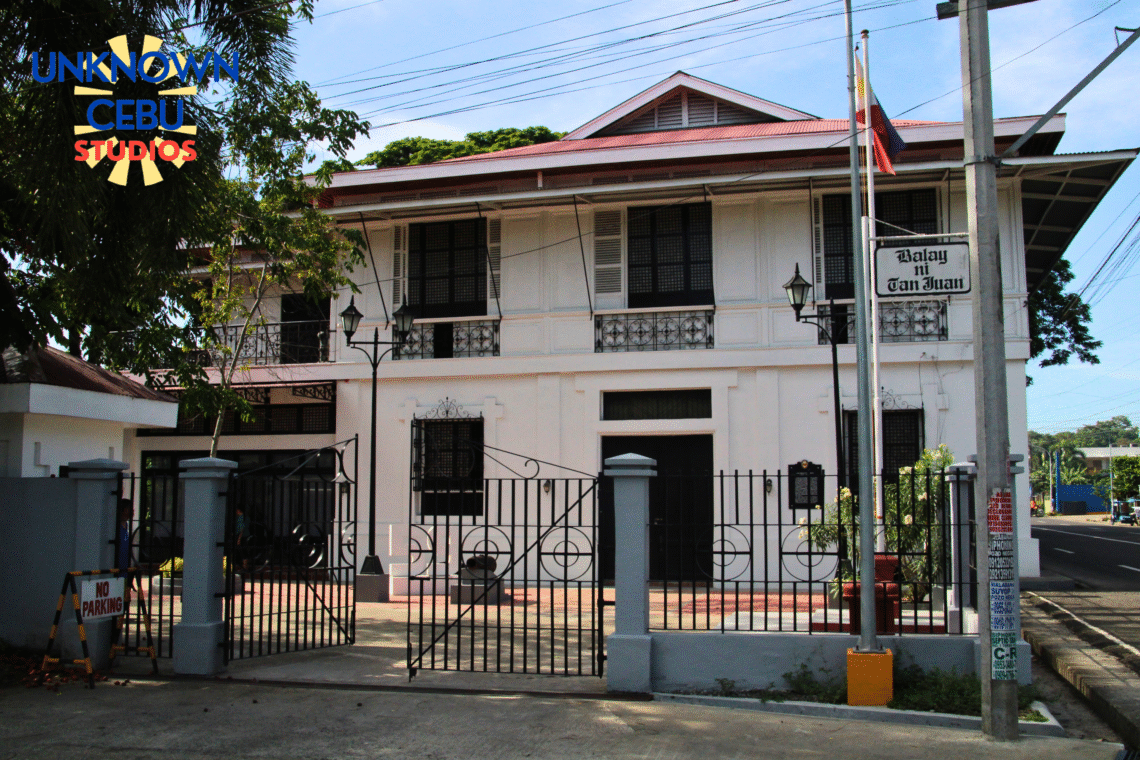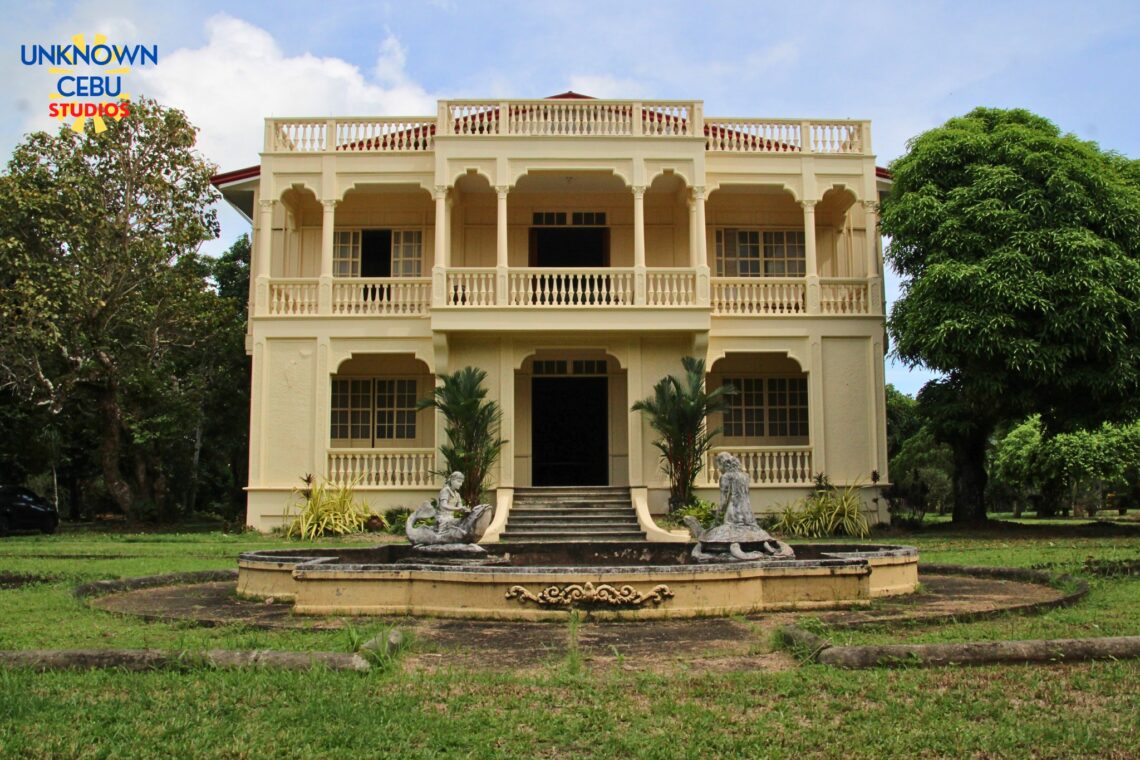
The Gaston Mansion—also known as Hacienda Santa Rosalia or the Gaston Ancestral House—is a beautifully preserved two-story ancestral home built in the 1930s by sugar baron José M. Gaston on his 120-hectare hacienda in Manapla, Negros Occidental. Situated amidst endless sugarcane fields, the mansion features elegant French‑Creole furnishings adapted to…
Historical Sites
Sites with historical significance
-
-
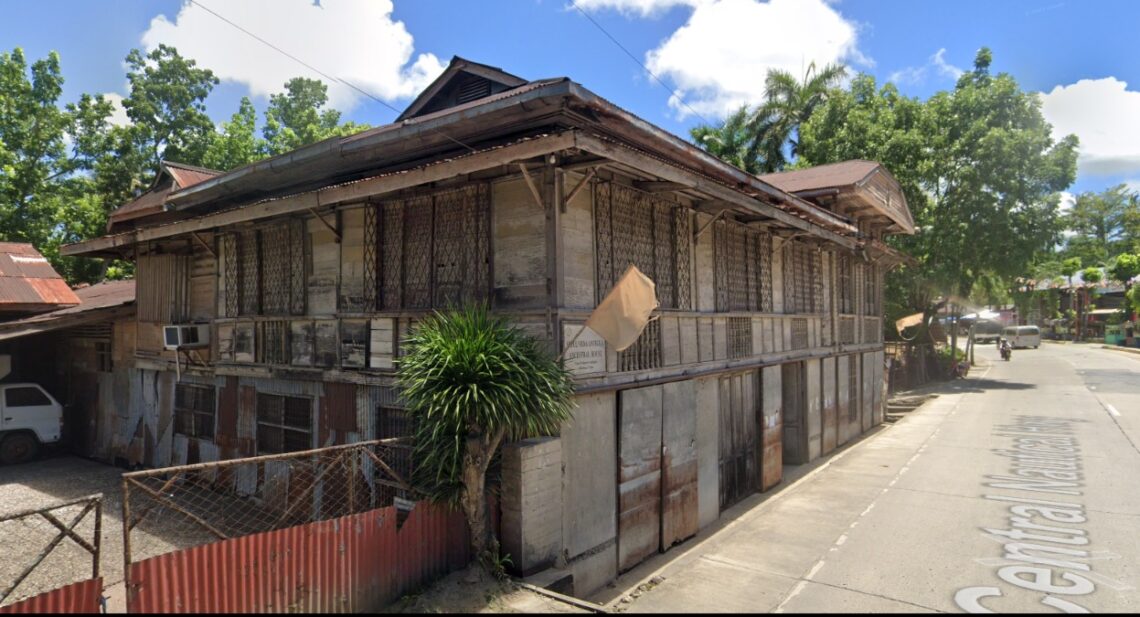
A Home where General Aguinaldo Slept: The historic Gregorio Antigua/Sepulveda Ancestral House
Don Gregorio Antigua was a prominent historical figure in the municipality of Borbon, located in northern Cebu, Philippines. Although there is limited formal biographical documentation available online, his legacy remains embedded in the town’s geography and institutional names. Notably, the barangay formerly known as Taytayan was renamed in his honor…
-
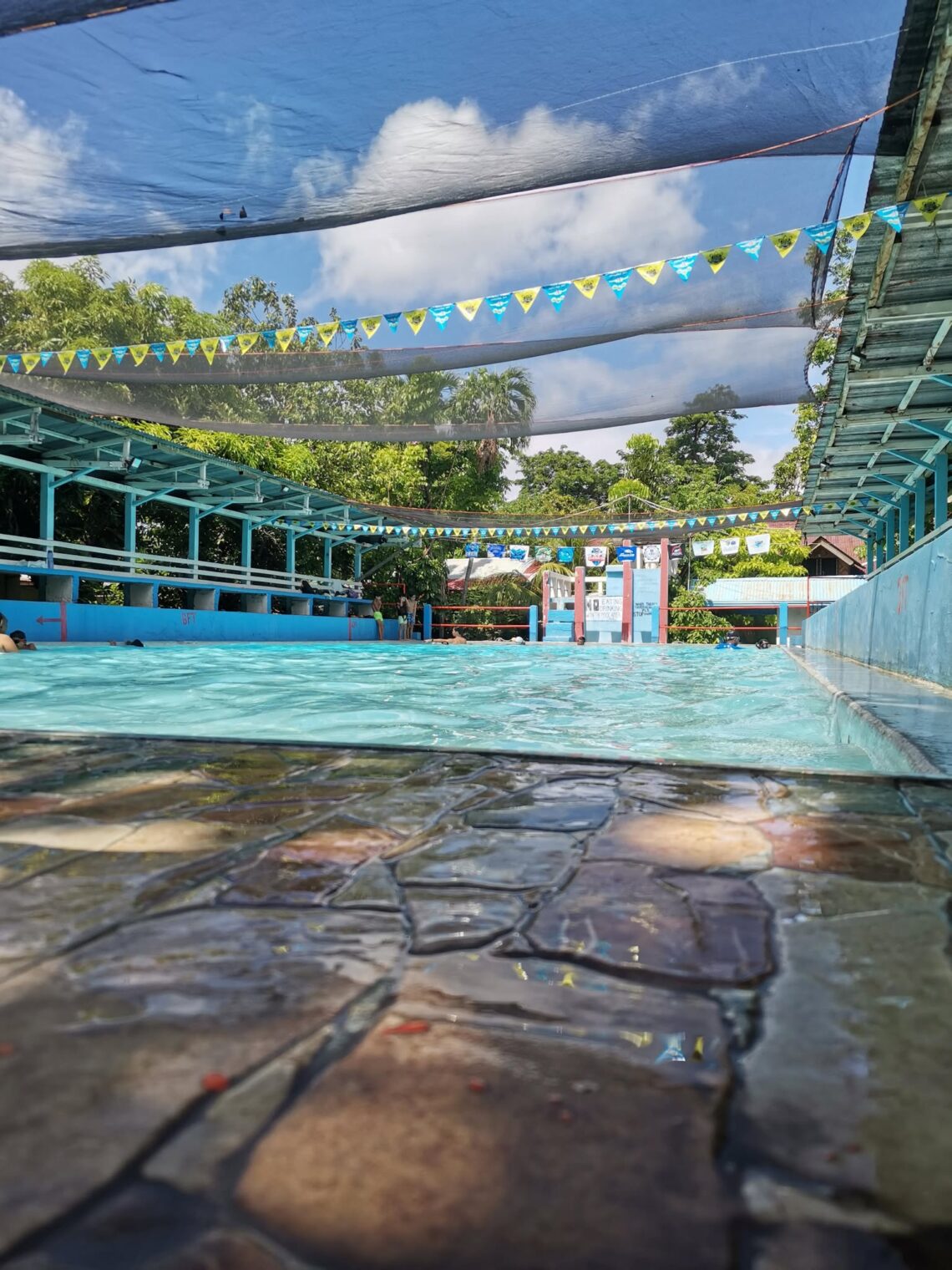
MAROCA Swimming Pool, Talisay City, Cebu.
Built in the year 1920 with modifications in the 1960s, Maroca swimming pool, named after its original owners Matilde – Roman Campo, has been a premier destination in the then town and the present city for the past century. The swimming pool follows the common convention of the time: it…
-
The Grave of One of the First Talisaynon Priests: Fr. Pablo Hermosa
One of the lesser known facts of Spanish colonial-era churches in the Philippines are that prominent families, and priests, can be buried inside the church as can be seen in (Boljoon, Cebu; Carcar, Cebu) and in Talisay Church, Cebu – an unknown part of Talisay church history. Located in a…
-
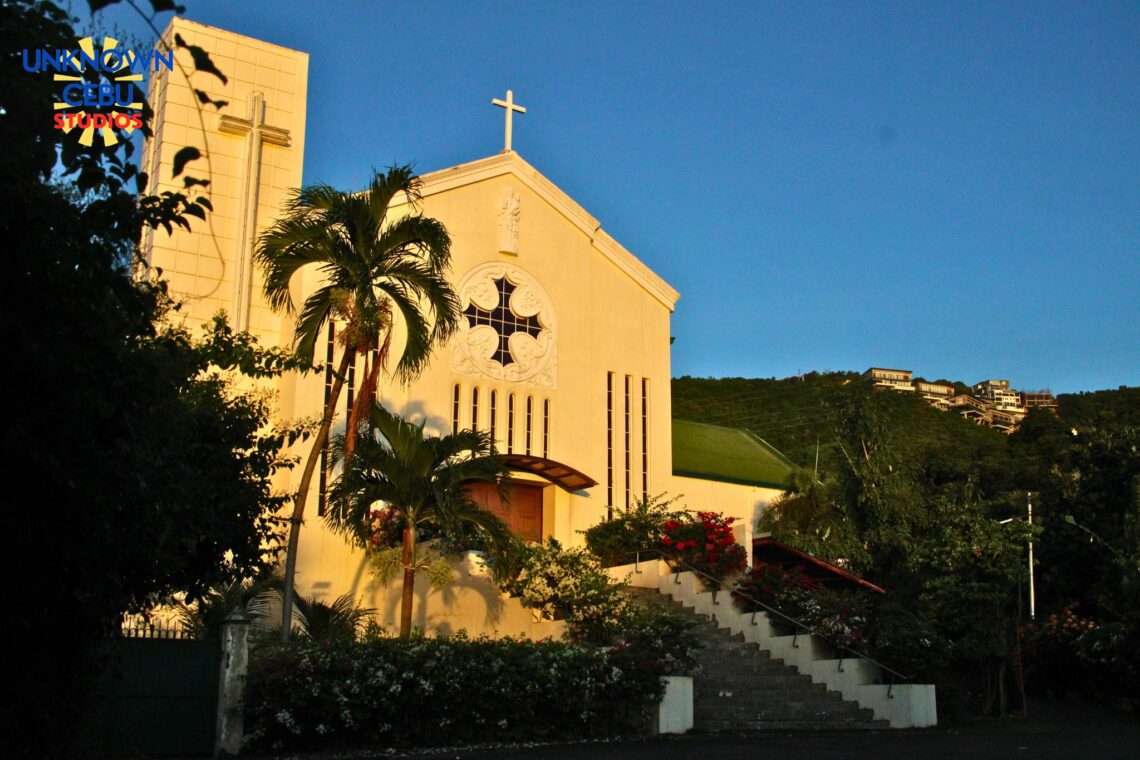
A Heritage of Faith: Good Shepherd Cebu’s History and Story
While more known as a favorite Holy Week Destination, the Good Shepherd compound located in Banawa, Cebu City, is has a story to tell: one of a call and dedicated service to a community in great need. The sisters of the Religious of the Good Shepherd were visited by the…
-
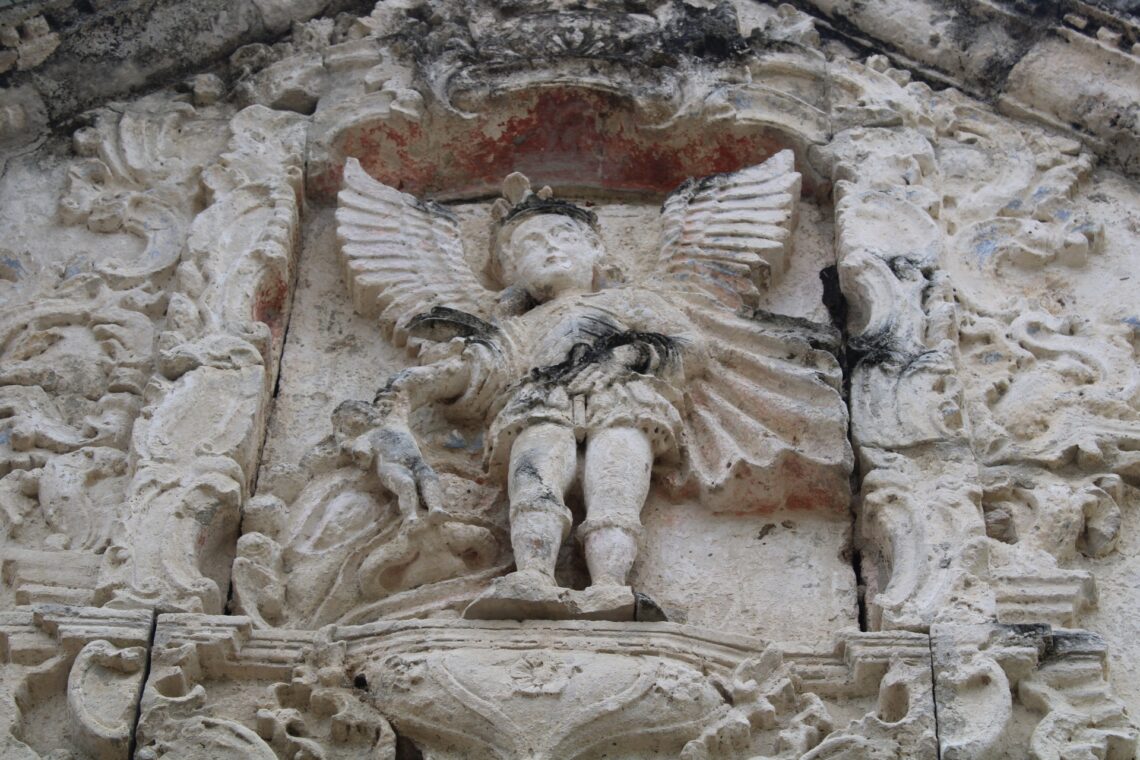
How Stone Speaks: Bas Reliefs in the Philippines
Stone speaks in a variety of ways, such as on Bas Reliefs in the Philippines. On many churches in the Philippines, most especially those which were built during the Spanish colonial period are carvings that depict everything from heavenly scenes to requests that go on to live on for centuries.…
-
Baclayon Ancestral House: Villamor Ancestral House
The Villamor Ancestral house is one of the oldest houses in the town of Baclayon, Bohol. It was built in the late 19th century by Ciriaco Villamor and Agrifina Buhion, his wife. The house is one of the largest and one of the first in a line of century old…
-
Ancestral Houses of Boljoon: “Balay Dr. Dionisio Niere”
The house of Dr. Dionisio Niere house is one of the historic ancestral homes in Barangay Poblacion, Boljoon, Cebu. Constructed in 1928, this ancestral residence features a symmetrical facade, where one side mirrors the other. A vestibule extends to the second floor, complemented by traditional capiz windows alongside geometric-patterned ones.…
-
Capiz Windows in the Philippines: History and Examples
Capiz Windows, Lampirong, Pios, or Windowpane Oyster is one of the most common type of window material used in the Philippines between the years of 1755-1960.When we see most ancestral houses anywhere in the Philippines from Luzon to Mindanao, we see Capiz being used as windows, integrated into colorful designs,…
-
The UnknownCebu Heritage Map of Cebu
This is the initial public release version (IPRV) of The UnknownCebu Heritage Map of Cebu. As a project, this began in 2021 during the height of the pandemic under the initial title “Ancestral House Map of Cebu;” this was expanded in November 2024 to include all manner of heritage sites…