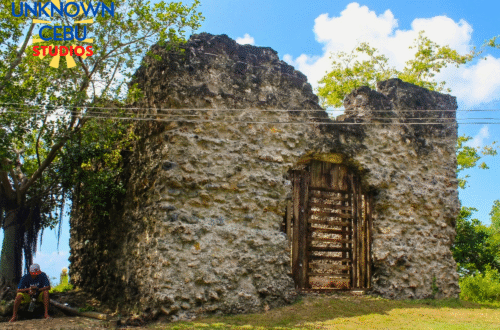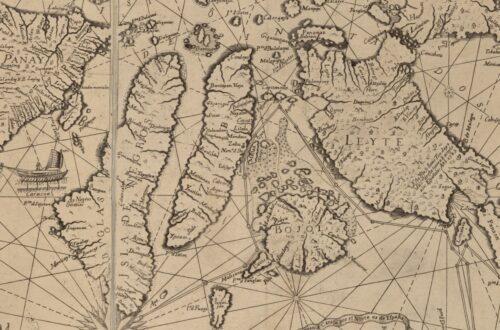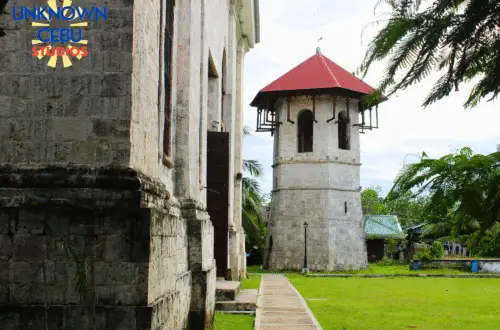
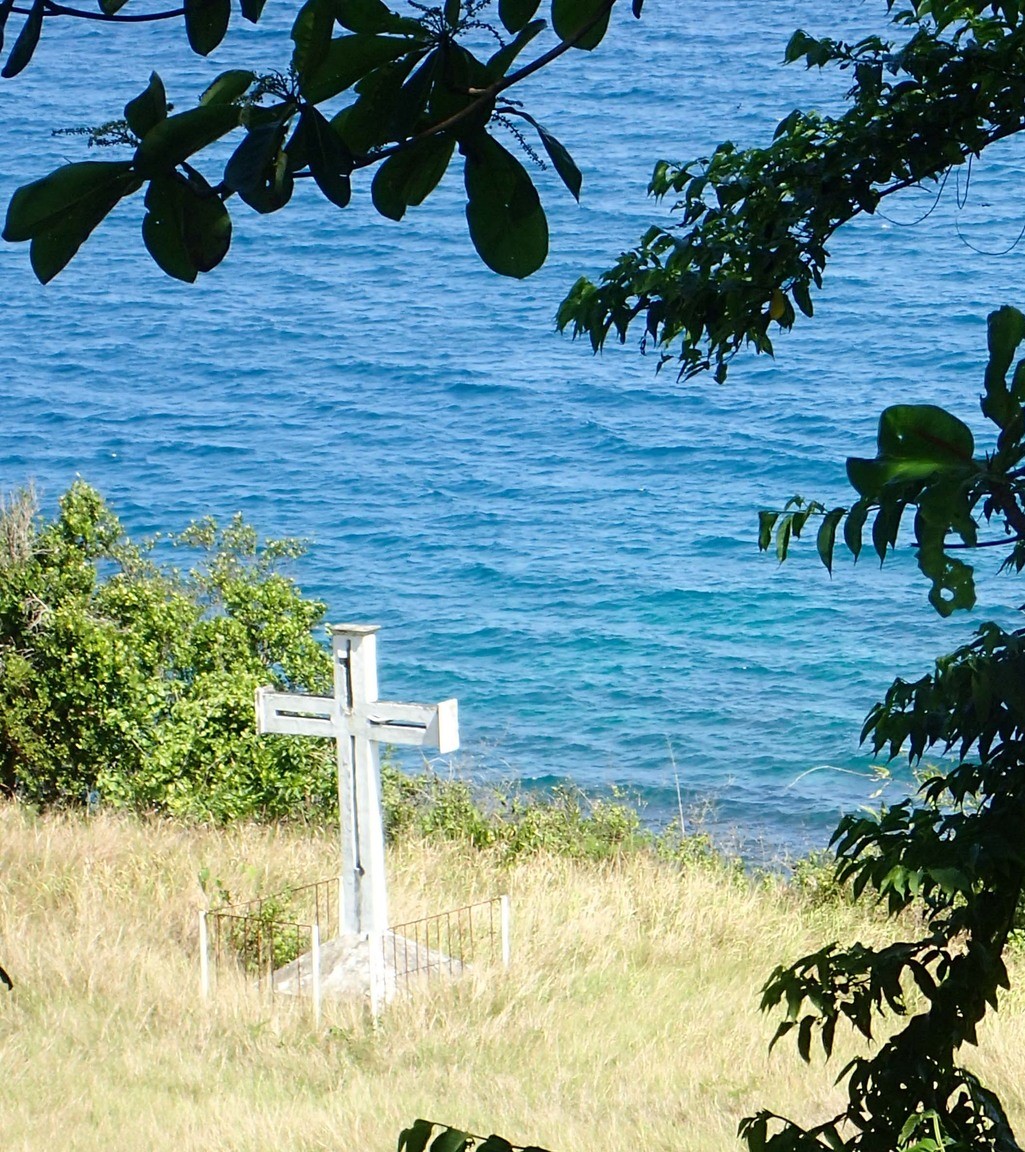
Palalong Cliff, located in Barangay Guibuangan, Barili, Cebu, was the site of one of the most significant wartime atrocities in southern Cebu during the Japanese occupation of the Philippines. Rising about 36 feet above the Tañon Strait, the cliff’s isolated and precipitous drop made it an ideal location for executions…
-
-
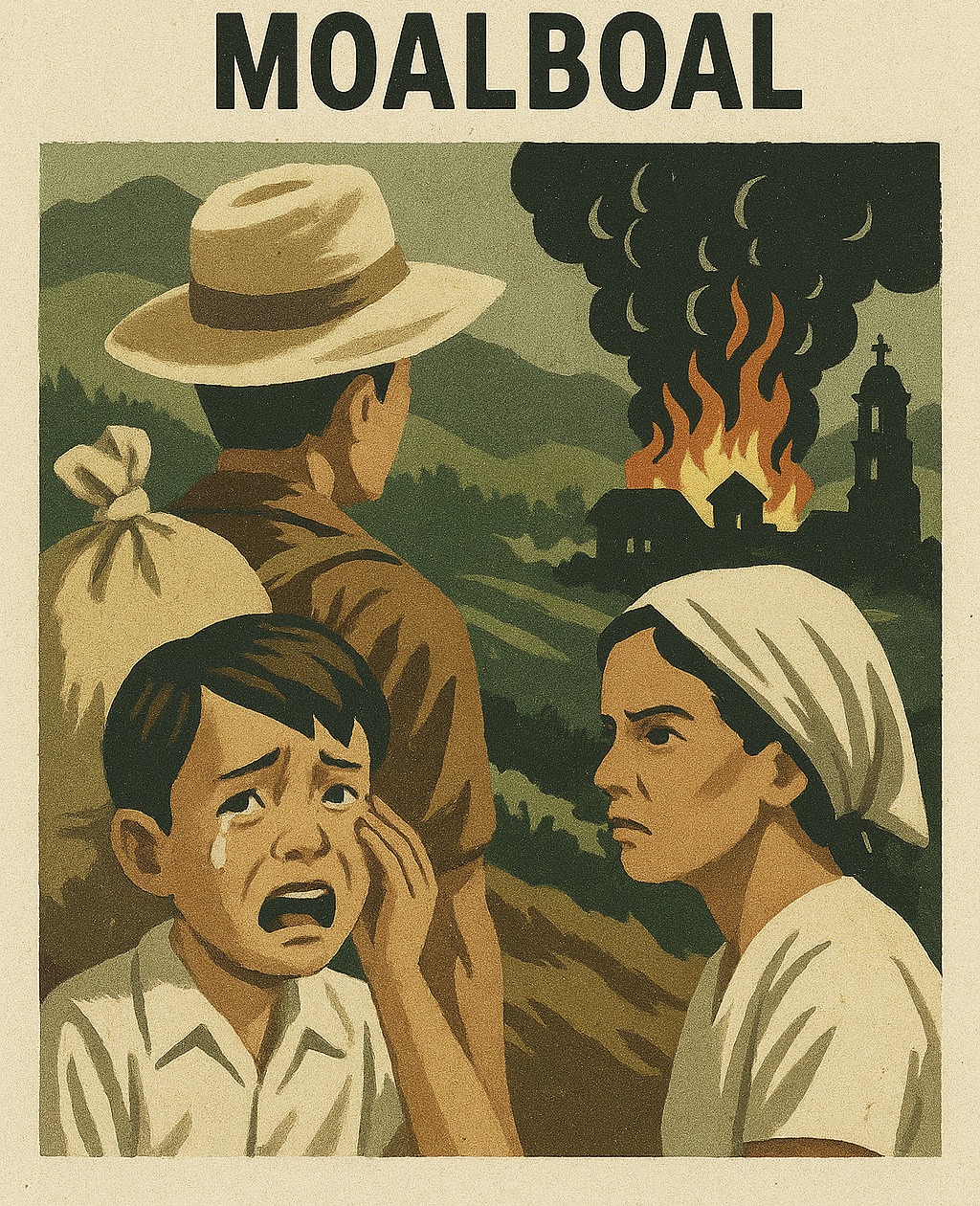
World War 2 In Cebu: Japanese Burning of Moalboal
This is a story from the town of Moalboal, Cebu, World War 2 in Cebu.During the Japanese occupation of Cebu from 1942 to 1945, the province became a stronghold of guerrilla resistance. The Japanese Burning of Moalboal was a cruel moment in the chapters of World War 2 in Cebu.…
-
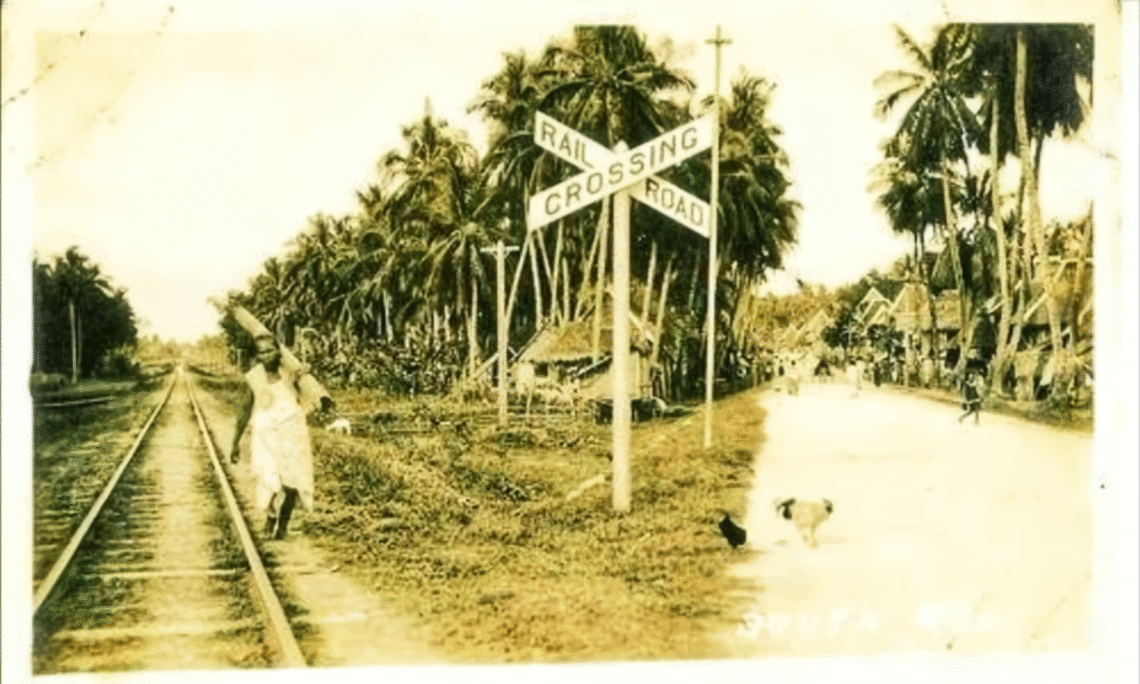
Ang Kabilin sa Riles Sa Sugbo: Sibonga Railway
Ang Kabilin sa Riles Sa Sugbo: Sibonga, Railway Remnants or in English “The Heritage of Rails in Cebu.” This intersection in Sibonga, Cebu marks an important point in the island’s transportation history, where an American-period highway crossed paths with the Cebu Railroad. Built in the early 20th century, the road…
-
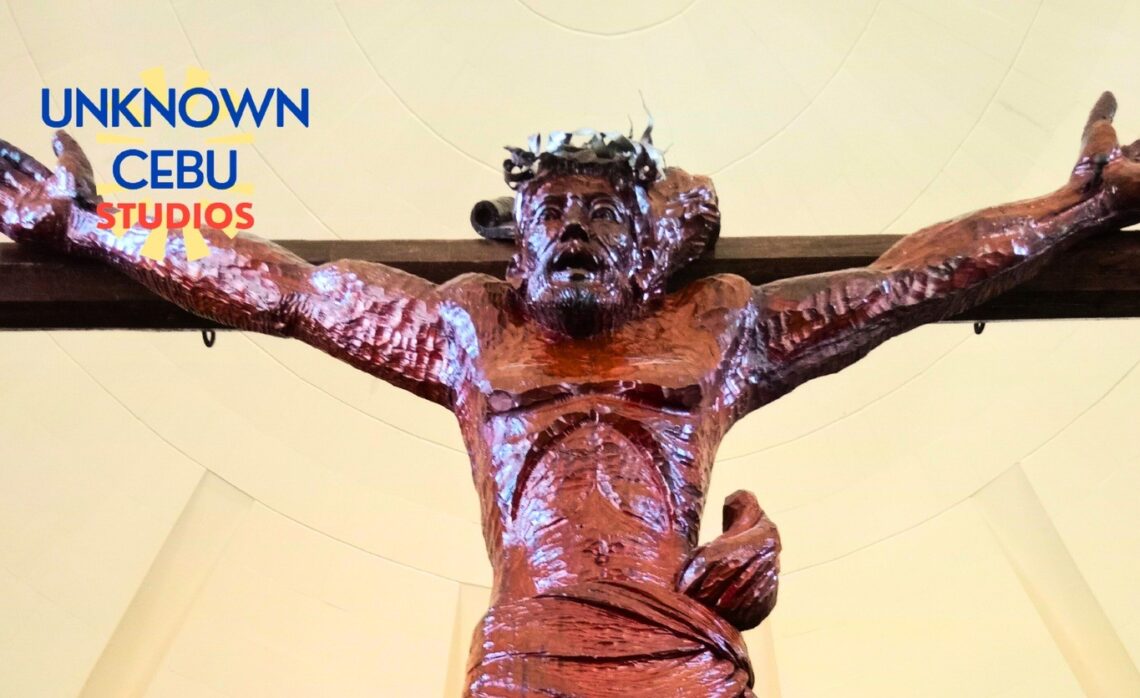
Natl. Artist Napoleon Abueva’s Masterpiece: The Cross at SMSC
Among the works that Natl. Artist Napoleon Abueva has produced, one is a cross at SMSC. At the chapel of Seminario Mayor de San Carlos in Cebu stands a monumental crucifix created by National Artist Napoleon Abueva, the acclaimed Father of Modern Philippine Sculpture. A native of Bohol, Abueva broke…
-
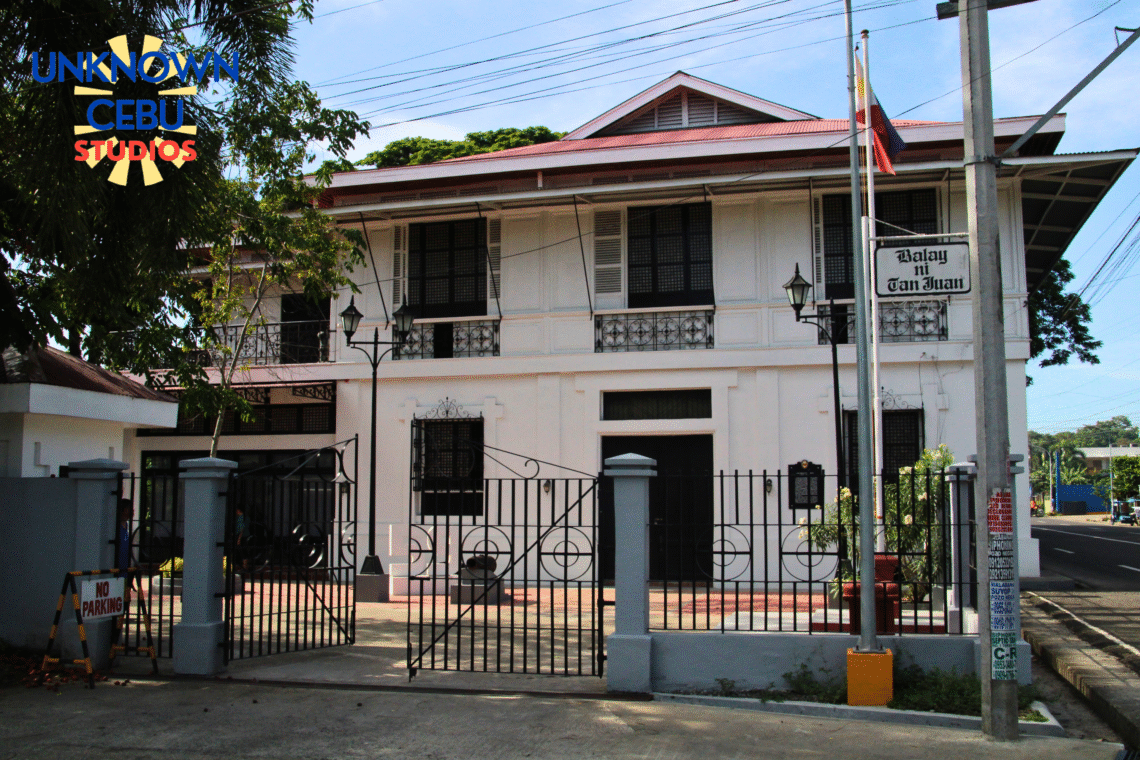
Balay Ni Tan Juan (Juan Anacleto Araneta Ancestral House): The Pride of Bago City, Negros Occidental
Balay ni Tan Juan stands proudly in the heart of Bago City, Negros Occidental, as one of the most important symbols of the city’s rich cultural and historical heritage. This elegant ancestral home, built in the late 19th century, was once the residence of General Juan Anacleto Araneta—the visionary leader…
-
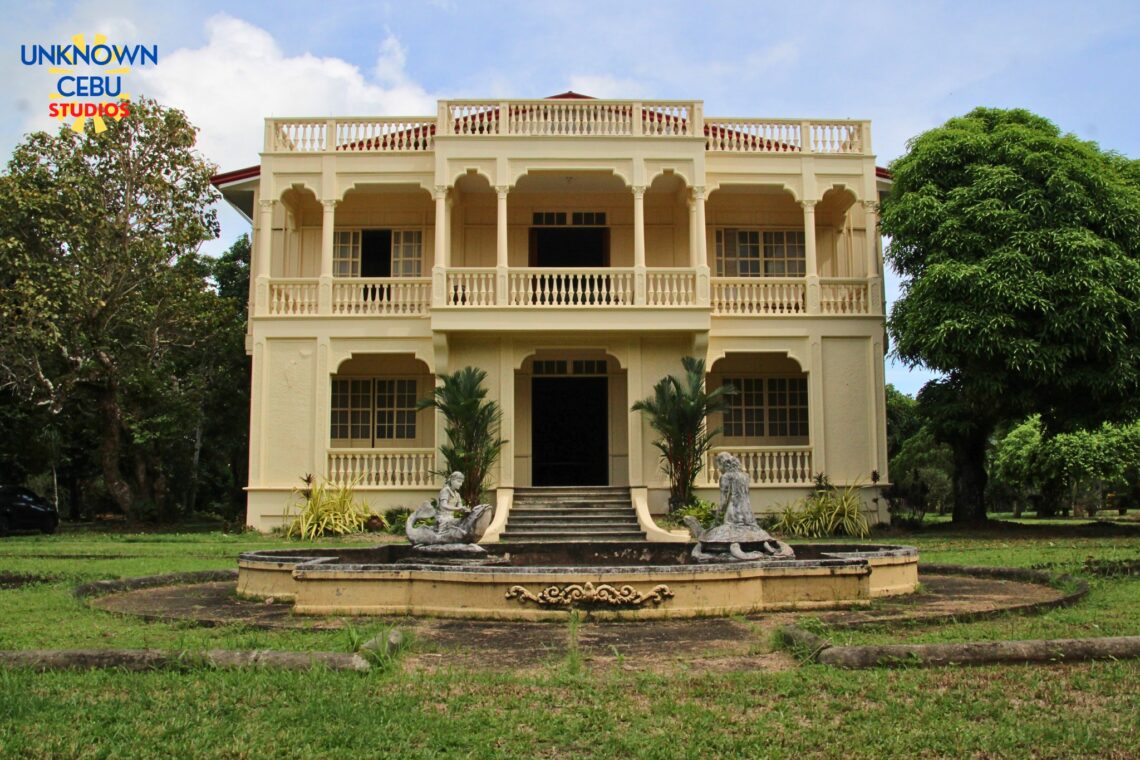
Gaston Ancestral House, Manapla, Negros Occidental.
The Gaston Mansion—also known as Hacienda Santa Rosalia or the Gaston Ancestral House—is a beautifully preserved two-story ancestral home built in the 1930s by sugar baron José M. Gaston on his 120-hectare hacienda in Manapla, Negros Occidental. Situated amidst endless sugarcane fields, the mansion features elegant French‑Creole furnishings adapted to…
-
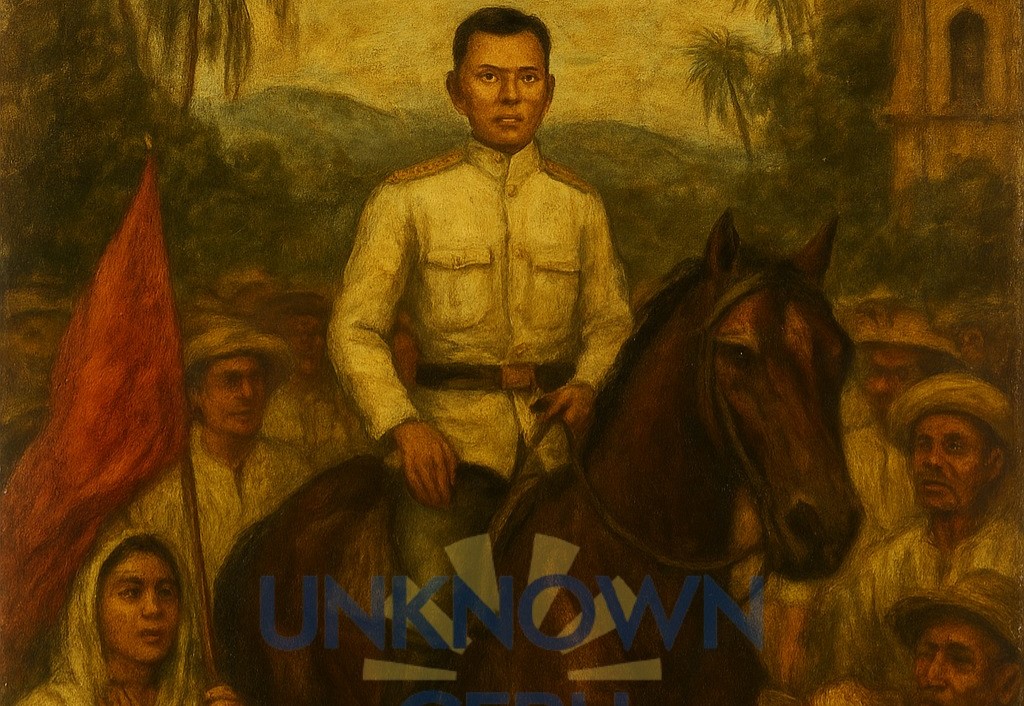
The Last Days of Leon Kilat: Hero and Martyr of the Philippine Revolution
Leon Kilat, born Pantaleon Villegas, played a pivotal role in the Cebuano chapter of the Philippine Revolution. By mid-1897, the revolution that had begun in Manila had spread to the Visayas. In Cebu, a Katipunan chapter emerged among the laborers of San Nicolás with the backing of the local ilustrado…
-
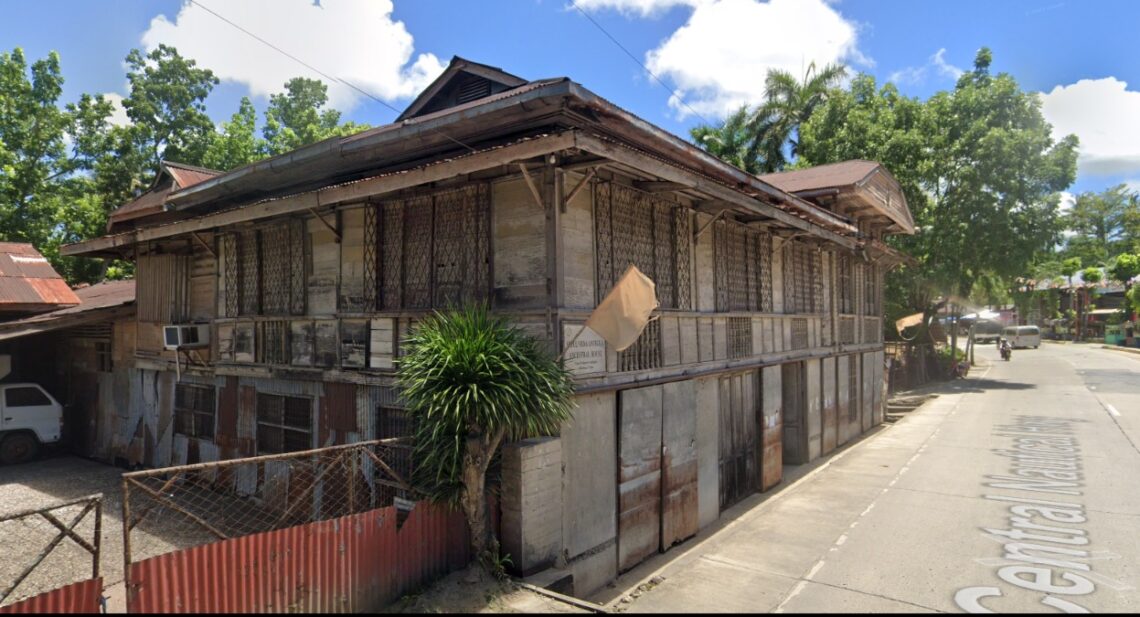
A Home where General Aguinaldo Slept: The historic Gregorio Antigua/Sepulveda Ancestral House
Don Gregorio Antigua was a prominent historical figure in the municipality of Borbon, located in northern Cebu, Philippines. Although there is limited formal biographical documentation available online, his legacy remains embedded in the town’s geography and institutional names. Notably, the barangay formerly known as Taytayan was renamed in his honor…
-
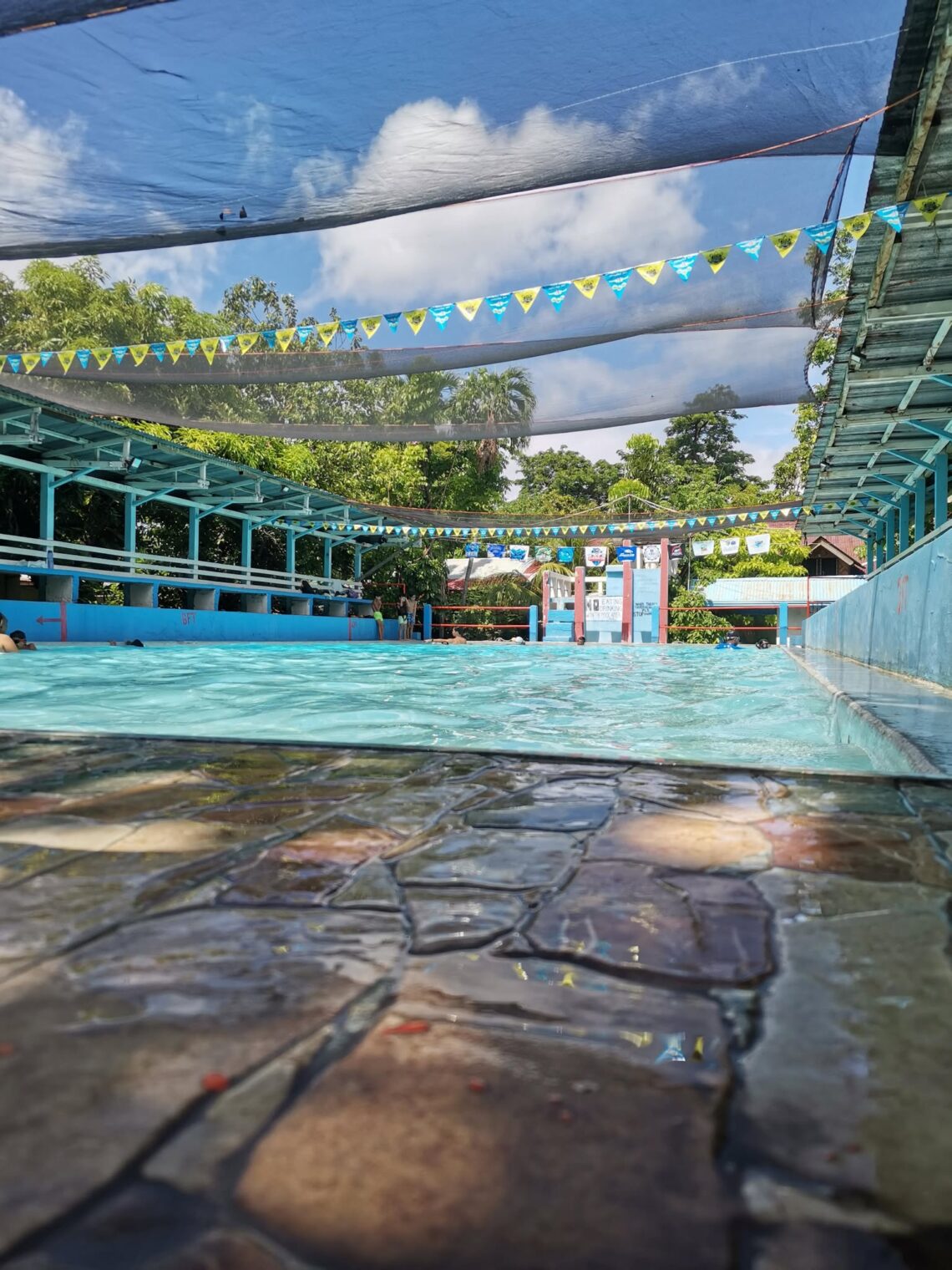
MAROCA Swimming Pool, Talisay City, Cebu.
Built in the year 1920 with modifications in the 1960s, Maroca swimming pool, named after its original owners Matilde – Roman Campo, has been a premier destination in the then town and the present city for the past century. The swimming pool follows the common convention of the time: it…
-
The Grave of One of the First Talisaynon Priests: Fr. Pablo Hermosa
One of the lesser known facts of Spanish colonial-era churches in the Philippines are that prominent families, and priests, can be buried inside the church as can be seen in (Boljoon, Cebu; Carcar, Cebu) and in Talisay Church, Cebu – an unknown part of Talisay church history. Located in a…