
Did you know that there was once a steam train route in Cebu, similar to the trains that once operated in Negros? Today, the only trains most Filipinos know are the LRT and MRT systems in Metro Manila. But just like in the movies, large steam locomotives once ran from Danao in the north to Argao in the south. Sadly, only remnants of this railway remain on the island of Cebu. In this article, we will trace and explore the path these trains once took.
On May 28, 1906, the Philippine Commission passed Act No. 1497, granting the Philippine Railway Company, Ltd. the franchise to construct and operate railway lines in Iloilo, Negros, and Cebu. The project was backed by American investors, including Charles M. Swift, while Cornelius Vanderbilt III was among the financiers connected to similar ventures in the Philippines’ early transportation projects.

The most important stop along the Cebu railway was the Central Train Station, located where the Cebu South Bus Terminal now stands. The station grounds once extended from the present terminal up to the DBP building along N. Bacalso Avenue and served as the main terminal and administrative hub of the Philippine Railway Company’s Cebu Line. Trains arriving from Argao would unload passengers and cargo here before continuing north to Danao, or vice versa. At its height from the 1910s to the 1930s, the station bustled with activity, moving people and goods such as sugar, lumber, and limestone across the island. Sadly, the building was heavily damaged during World War II, most likely during the bombings of Cebu City, and was never rebuilt. By the 1950s, the railway itself was dismantled, and today only a few traces remain beneath modern structures, leaving the South Bus Terminal as a quiet reminder of Cebu’s forgotten age of steam trains.

There were at least 14 stations in the Cebu Railway (North to South) Danao City,Maslog,Mandaue,Mabolo,Cebu City,San Isidro,Mohon,Calajo-an,Naga City,Sab-Ang,Sibonga Elementary,Valladolid,Carcar City,Argao Fire Station the 56 miles of the railway crossed the many small townships in Cebu today very few ruins of the train stations exist and aside from the train stations the Bridges and foundations of bridges exist in San Fernando,Argao and Carcar. There were 3 classes of Train Station type 1 being the largest and only existing in the main town, the type 2 being in the area right outside of the main town, the type 3 would be in rural areas.

The Rotunda of Danao was once the turning point of the train that were going back to the city from here they would resupply the Coal they needed from the mountains of Danao and then would stay for the night before going back to the City. This is a type 1/1st class station as it is in the town center.

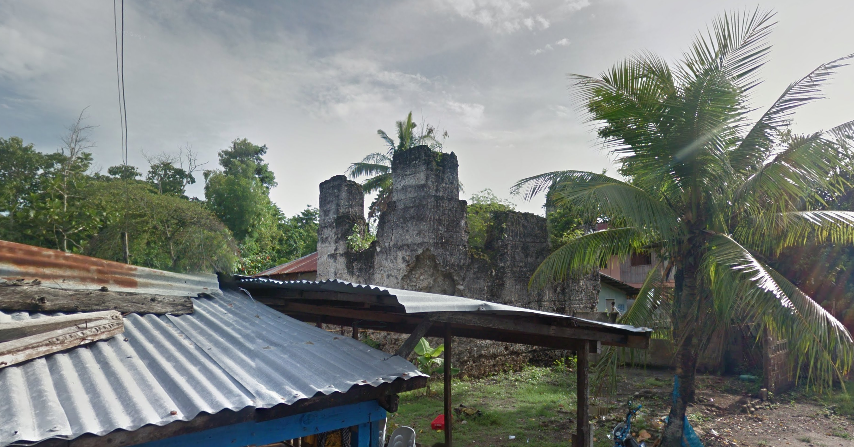
The Maslog Train Station, a few kilometers south, was the first station from Danao going south. The building today is in ruins but still stands in Sitio Estasyonan. This station was classified as a second-class station.

The Mandaue Train Station, located in modern-day Basak, was a small second-class station that was demolished in the 1970s. The train station in San Isidro stood where the Belleza Compound is today, and only the foundations of this second-class station remain. The Mohon Train Station was built to serve the nearby Sugar Central Mill, and some of its rails and lamp posts can still be found in the area.


However, the end of the old railroad in Cebu came during the Second World War. The damage to the central depot and the tracks was so extensive that authorities did not even consider rehabilitating it. The locomotives and rail cars were either destroyed during the bombings or later dismantled and sold as scrap metal. After the war, road transportation became the new priority, and buses and trucks gradually replaced trains as the main means of moving goods and passengers. Despite the demise of the railroad system, the Queen City of the South continued to grow as the region’s center of trade and progress, with new highways eventually tracing parts of the old railway route. Today, old Cebuanos can only reminisce about the days when steam locomotives rumbled across the island, connecting towns and communities through the rhythmic clatter of iron wheels on steel rails.