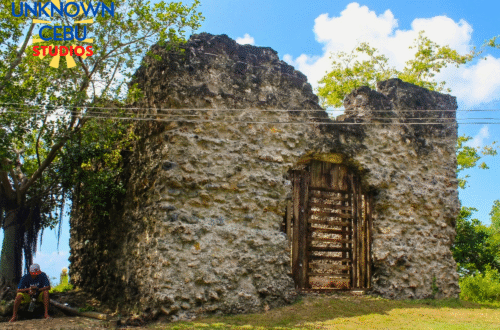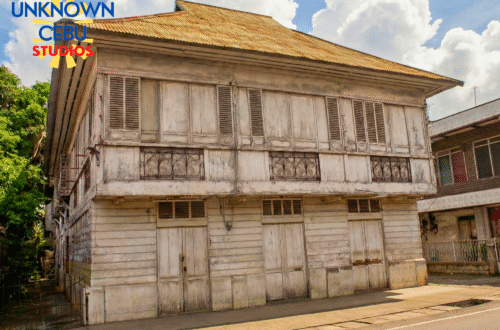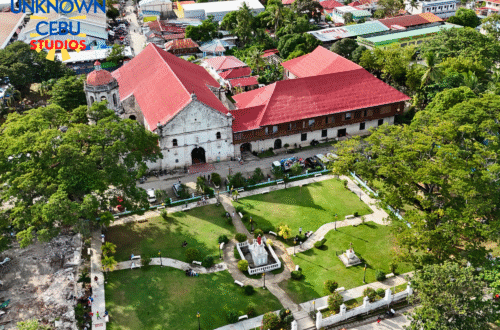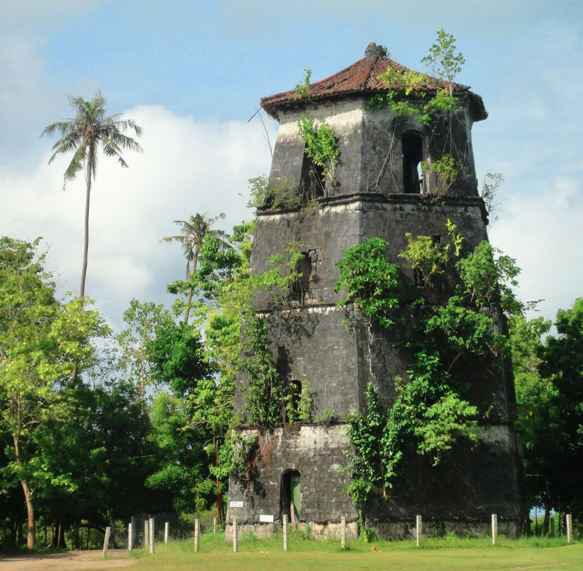
Forget the Chocolate Hills for a second. When you hit Bohol, you’re stepping into an island with a history as sharp as a coral stone cut. And if you’re looking for a monument that perfectly captures the gritty reality of Spanish colonial life—a blend of military grit, ingenious engineering, and…
Historical Sites
Sites with historical significance
-
-
Alcoy Convent’s Unique Ceiling Paintings
Alcoy, in Southern Cebu, is globally renowned for its crystalline waters and white sands, particularly at Tingko Beach. However, the town’s true historical depth is anchored by the Alcoy Convent, or Kumbento. Constructed and completed in 1890, this structure holds singular architectural significance as the only remaining Spanish-era edifice in…
-
Bantayan History: The Story of Capitan Tawi
Long before Bantayan Island became a traveler’s refuge of white beaches and slow tides, it was a frontier where coral walls, coconut groves, and watchtowers stood guard against the uncertainties of the sea. Into this older Bantayan arrived a young migrant from Panay around the 1830s: Manuel Rubio y del…
-
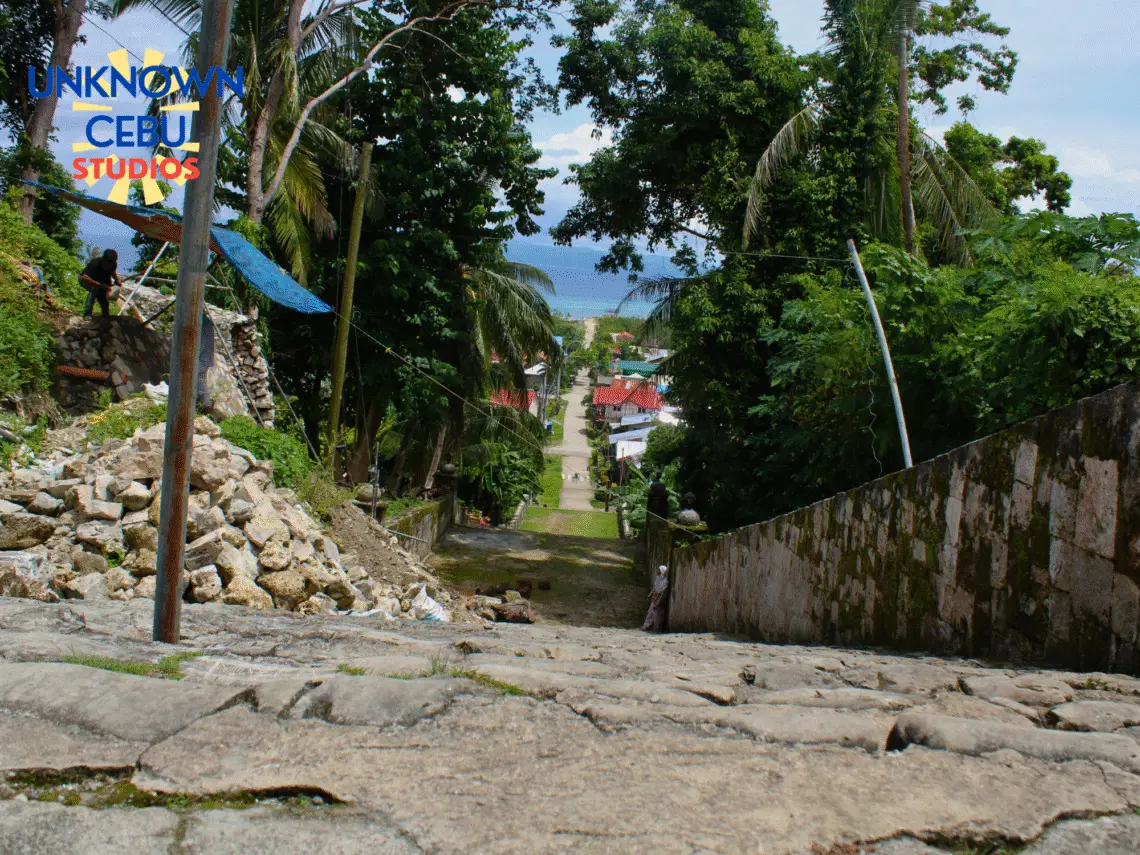
History of Loon, Bohol: Inang-angan Stairway
There’s a quiet sense of permanence that greets you at the foot of the Inang-angan Stairway in Loon, Bohol. Rising in neat coralstone precision from the coastal barangay of Napo to the upland village of Moto, the stairway has been part of Loon’s landscape for more than 170 years. It…
-
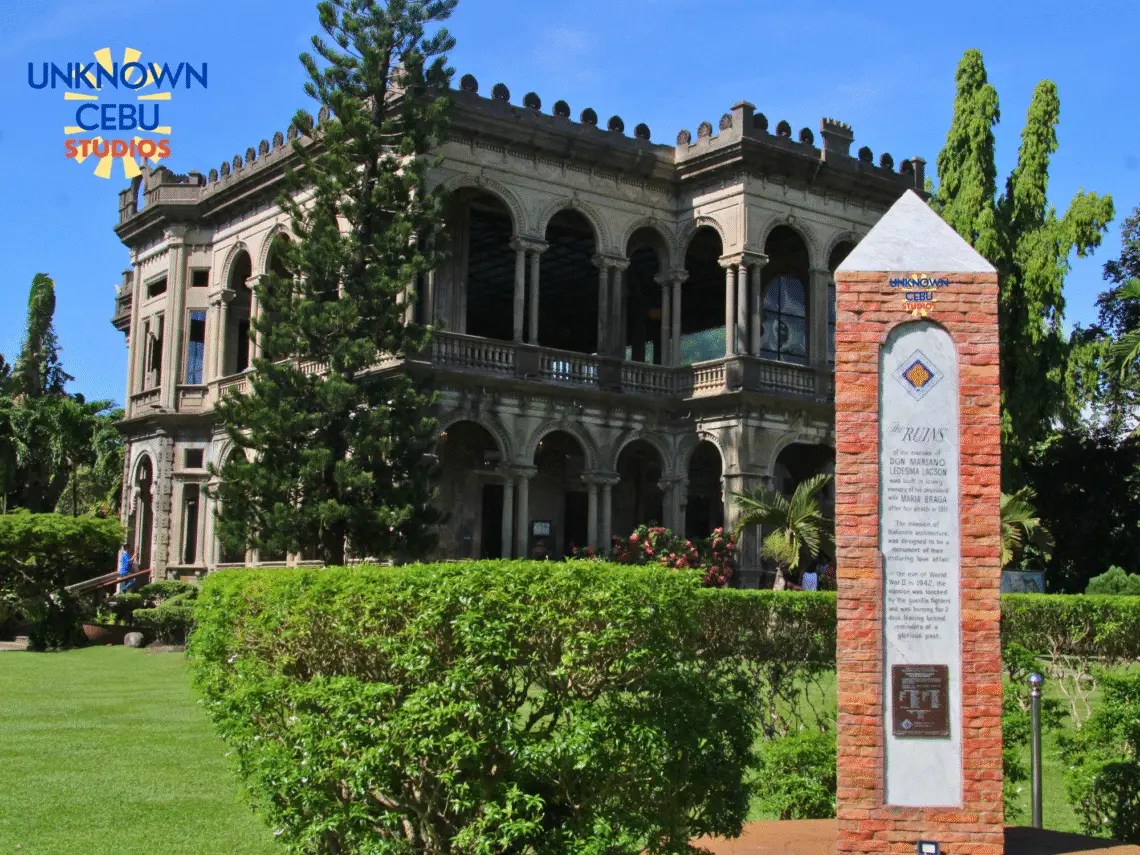
A House Built by Sugar: The Ruins of Negros
There’s a quiet, gentle stillness that greets you the moment you step onto the grounds of The Ruins in Talisay City, Negros Occidental—a feeling that the past has settled into the air and never fully left. This skeletal mansion, rising with effortless grace over the old sugar fields, began as…
-
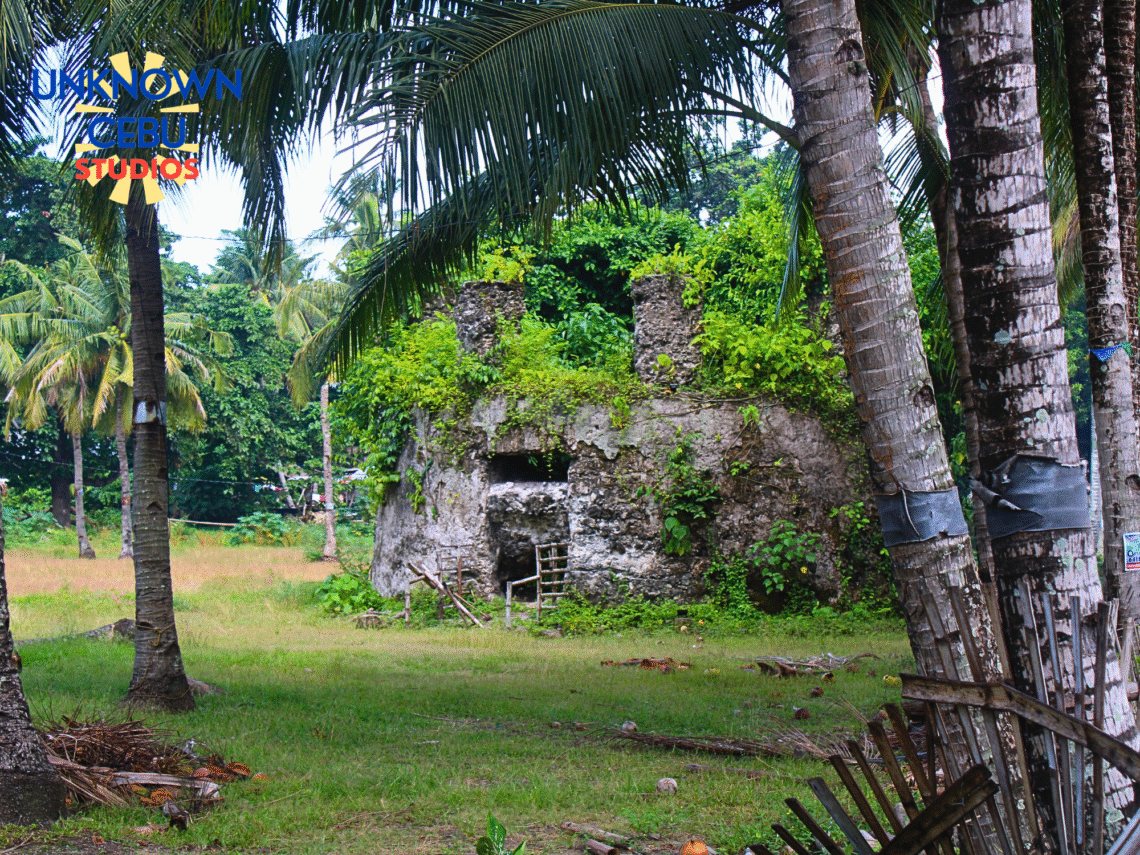
Daanlungsod Oslob: Cebu’s Largest Fortification
The history of Oslob is often overlooked by those who are not invested in it, most tourists have become accustomed to seeing whale sharks as the main attraction in Oslob, located about 100 kilometers south of Cebu City. Other attractions include its pristine waters, numerous resorts, and the Oslob plaza…
-
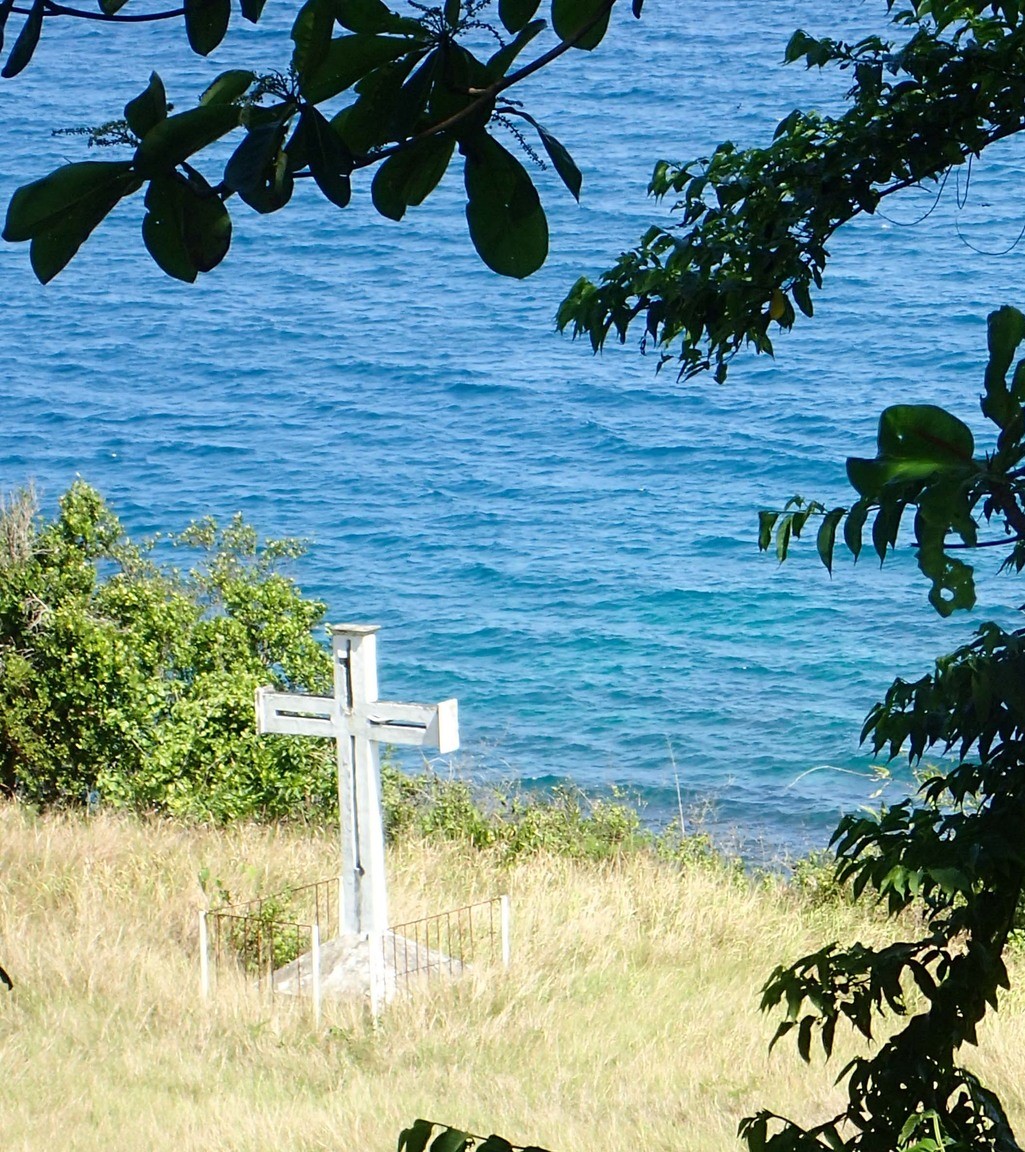
World War II In Cebu: The Story of Palalong Cliff
Palalong Cliff, located in Barangay Guibuangan, Barili, Cebu, was the site of one of the most significant wartime atrocities in southern Cebu during the Japanese occupation of the Philippines. Rising about 36 feet above the Tañon Strait, the cliff’s isolated and precipitous drop made it an ideal location for executions…
-
Ang Kabilin sa Riles Sa Sugbo: Sibonga Railway
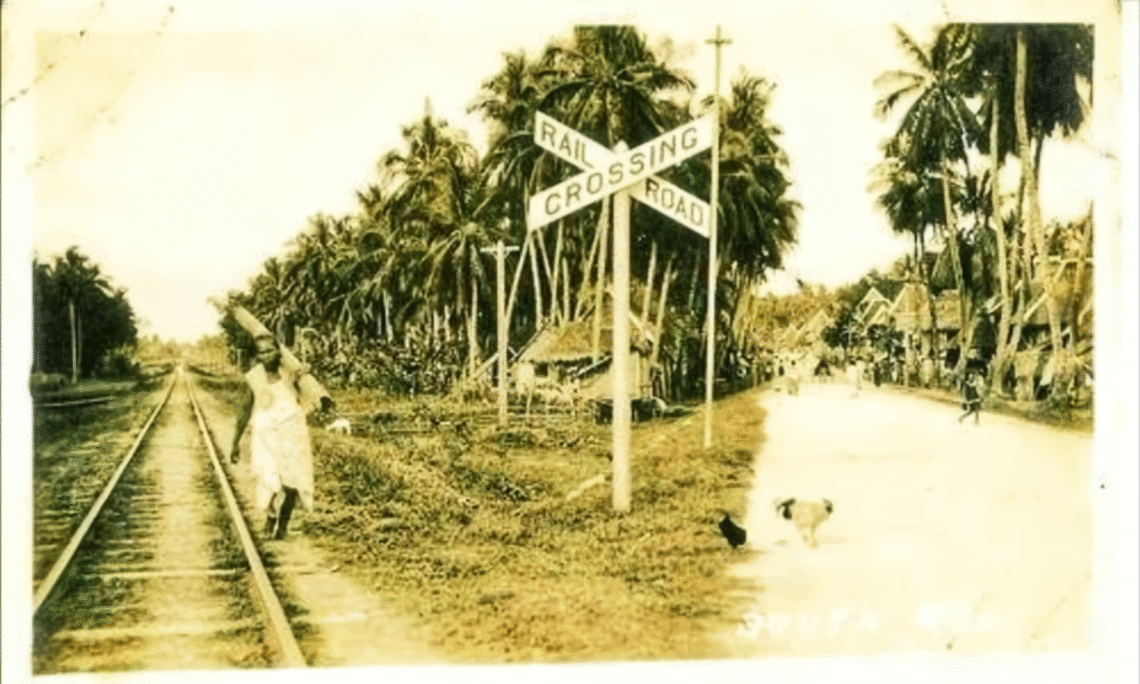
Ang Kabilin sa Riles Sa Sugbo: Sibonga, Railway Remnants or in English “The Heritage of Rails in Cebu.” This intersection in Sibonga, Cebu marks an important point in the island’s transportation history, where an American-period highway crossed paths with the Cebu Railroad. Built in the early 20th century, the road…
-
Natl. Artist Napoleon Abueva’s Masterpiece: The Cross at SMSC
Among the works that Natl. Artist Napoleon Abueva has produced, one is a cross at SMSC. At the chapel of Seminario Mayor de San Carlos in Cebu stands a monumental crucifix created by National Artist Napoleon Abueva, the acclaimed Father of Modern Philippine Sculpture. A native of Bohol, Abueva broke…
-
Balay Ni Tan Juan (Juan Anacleto Araneta Ancestral House): The Pride of Bago City, Negros Occidental
Balay ni Tan Juan stands proudly in the heart of Bago City, Negros Occidental, as one of the most important symbols of the city’s rich cultural and historical heritage. This elegant ancestral home, built in the late 19th century, was once the residence of General Juan Anacleto Araneta—the visionary leader…