
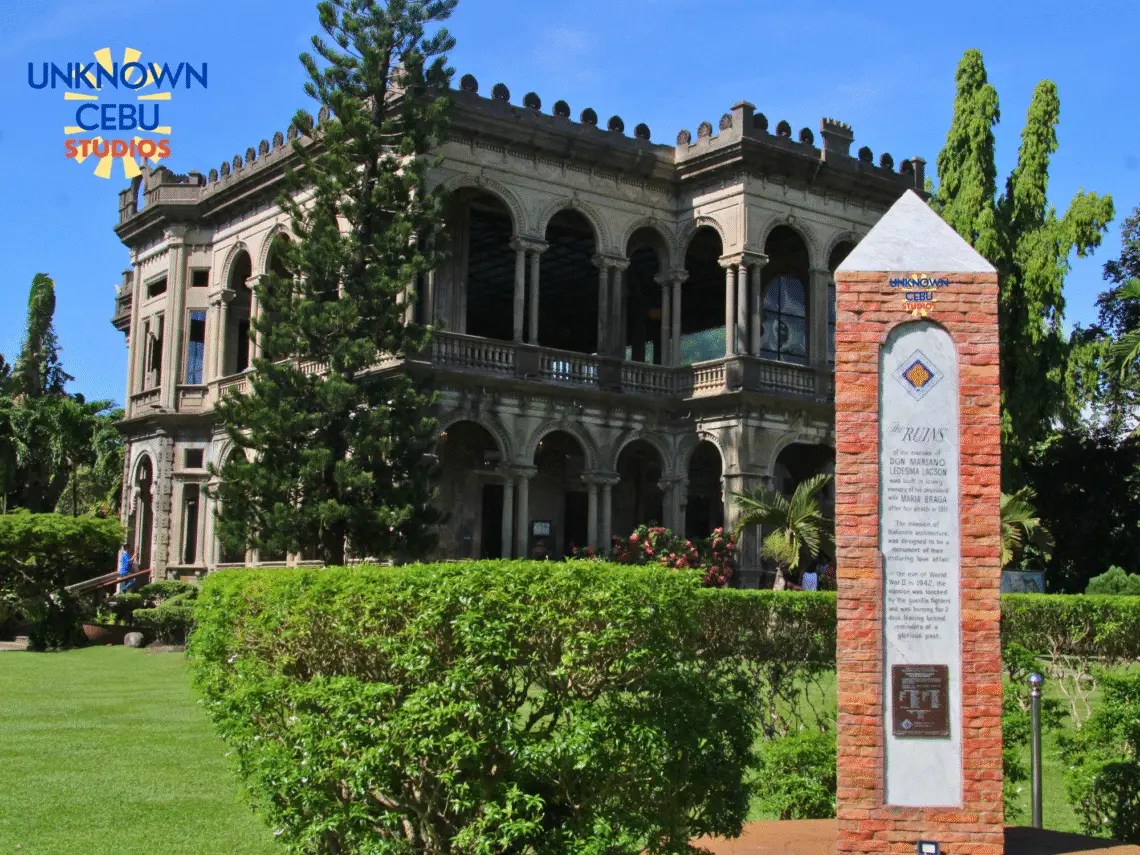
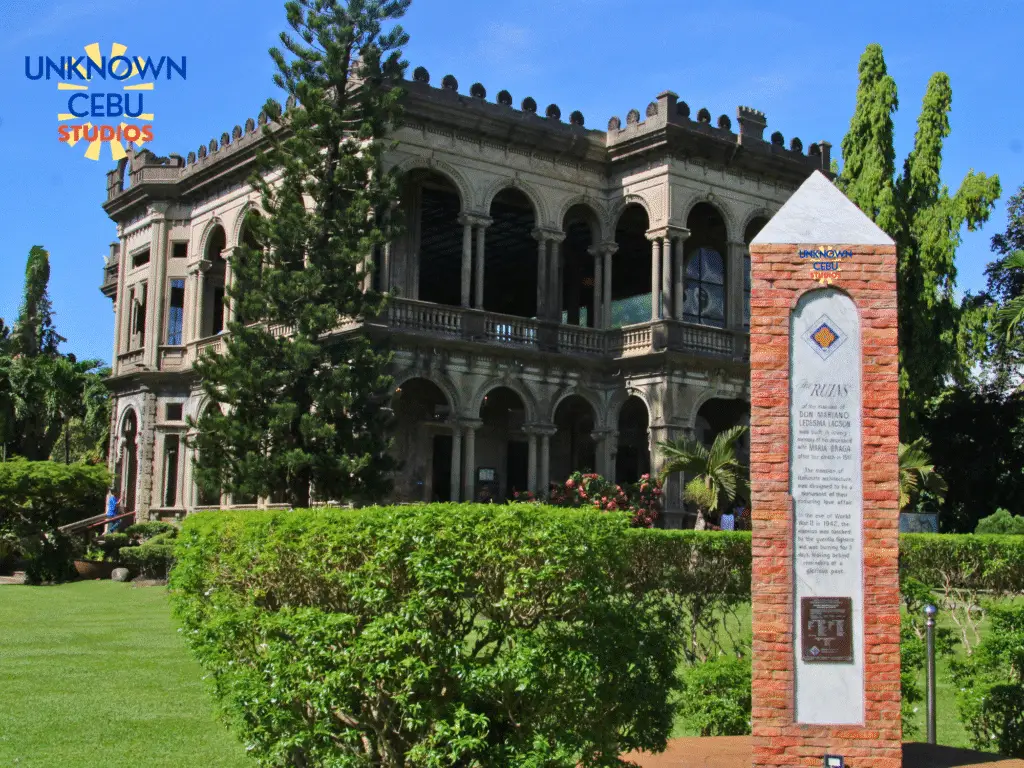
There’s a quiet, gentle stillness that greets you the moment you step onto the grounds of The Ruins in Talisay City, Negros Occidental—a feeling that the past has settled into the air and never fully left. This skeletal mansion, rising with effortless grace over the old sugar fields, began as a love story in 1911. That year, sugar baron Don Mariano Ledesma Lacson lost his Portuguese wife, Maria Braga, during childbirth, a tragedy that changed the course of his life. Later in 1911, he started building a mansion in her honor, pouring his grief and devotion into every detail. By 1912, the house stood in full Italianate glory: tall arches framing the sky, Romanesque pillars standing in perfect symmetry, and hardwood floors of narra and kamagong glowing warmly in the light. Even now, when you walk through the empty halls, you can imagine the rhythm of footsteps echoing across the Machuca tiles and the soft hum of family life filling its ten expansive rooms. Hidden in the decorative details, the entwined “M” monograms for Mariano and Maria remain carved in the balcony—small but powerful reminders of a love preserved in stone. It’s no wonder many call this place the Taj Mahal of Negros, because its foundation was built not just from concrete, but from memory and devotion.
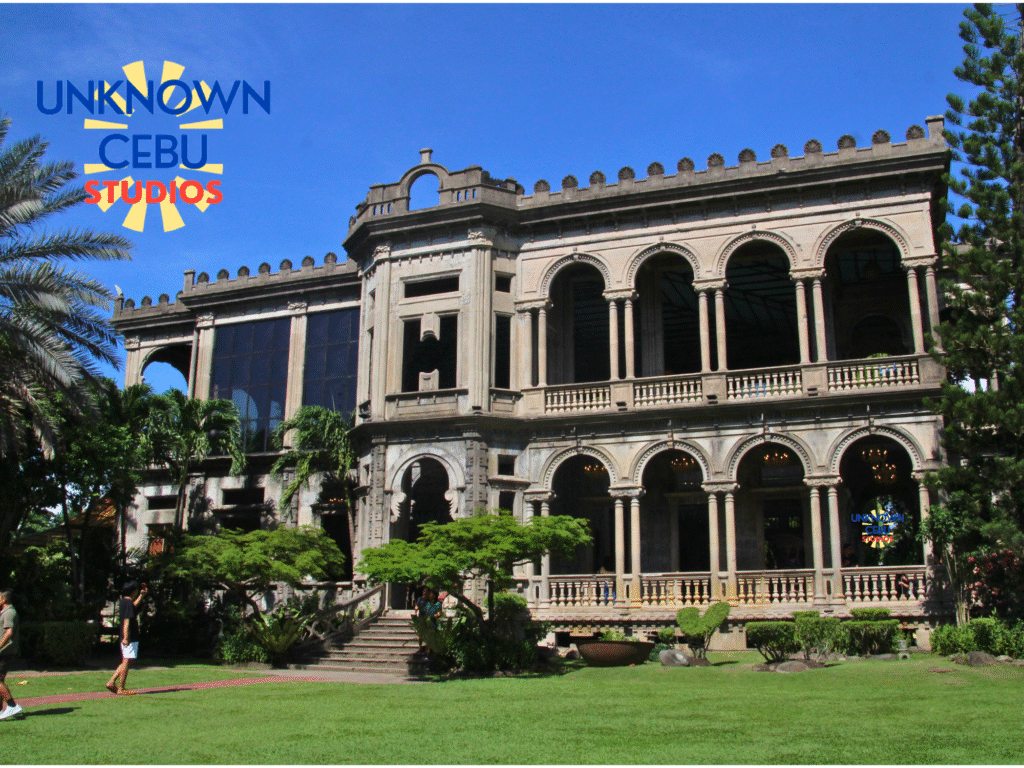
But time had other plans for this grand home. When World War II swept across Negros, its imposing structure caught the attention of the advancing Japanese forces. In 1942, Filipino guerrillas made a decision that was painful but necessary: to burn the mansion before it could be used as enemy headquarters. Flames engulfed the house for three nights, devouring its wooden interiors, collapsing its roof, and turning once-grand furnishings into nothing but smoke and ash. Yet even as fire tried to erase it, the mansion refused to disappear. |UnknownCebu| Reinforced concrete, mixed with materials meant to last a lifetime, held strong against the destruction. When the fire finally died, what stood was a breathtaking skeleton—the very same silhouette that now captures the imagination of anyone who sees it. Walking through its hollowed halls today, with blue sky pouring through its window frames and sunlight tracing patterns on the floor, you can still feel the echo of 1942. But instead of sorrow, the space feels alive with resilience. The Ruins did not survive as a mansion; it survived as a memory that refused to fade.
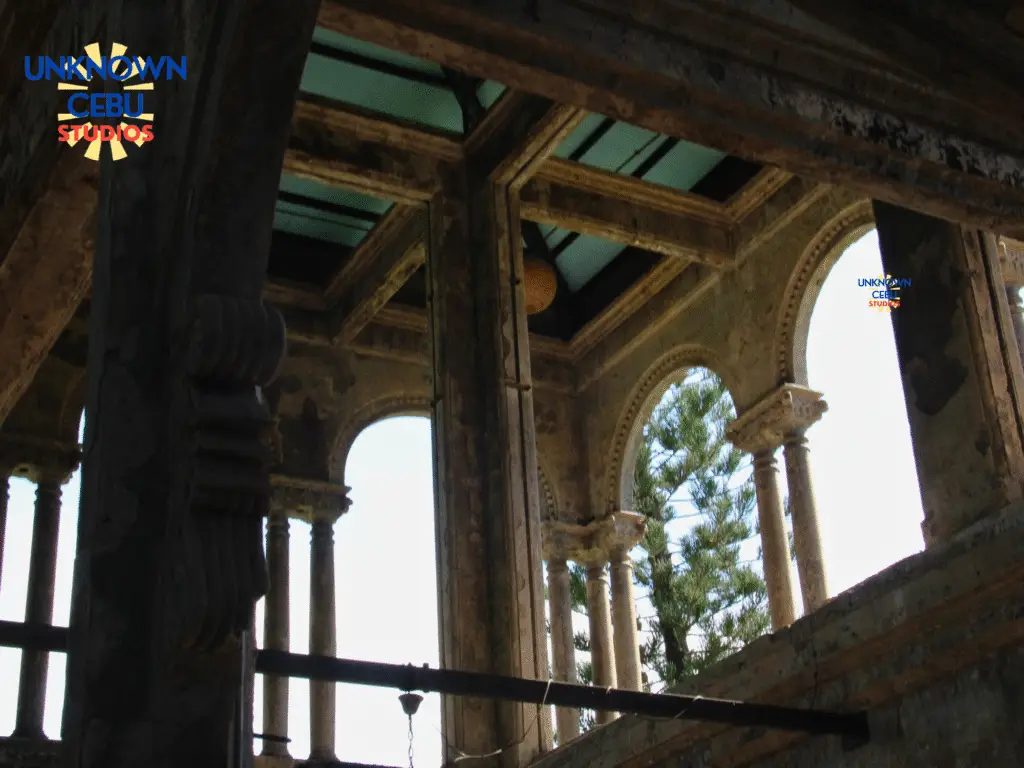
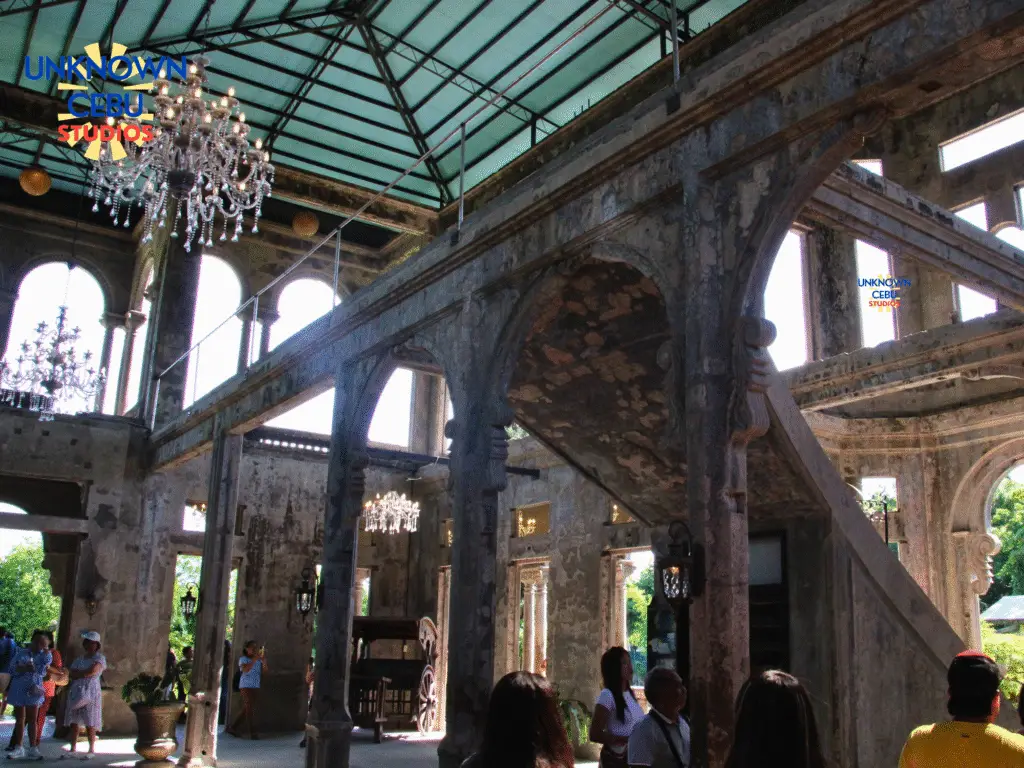
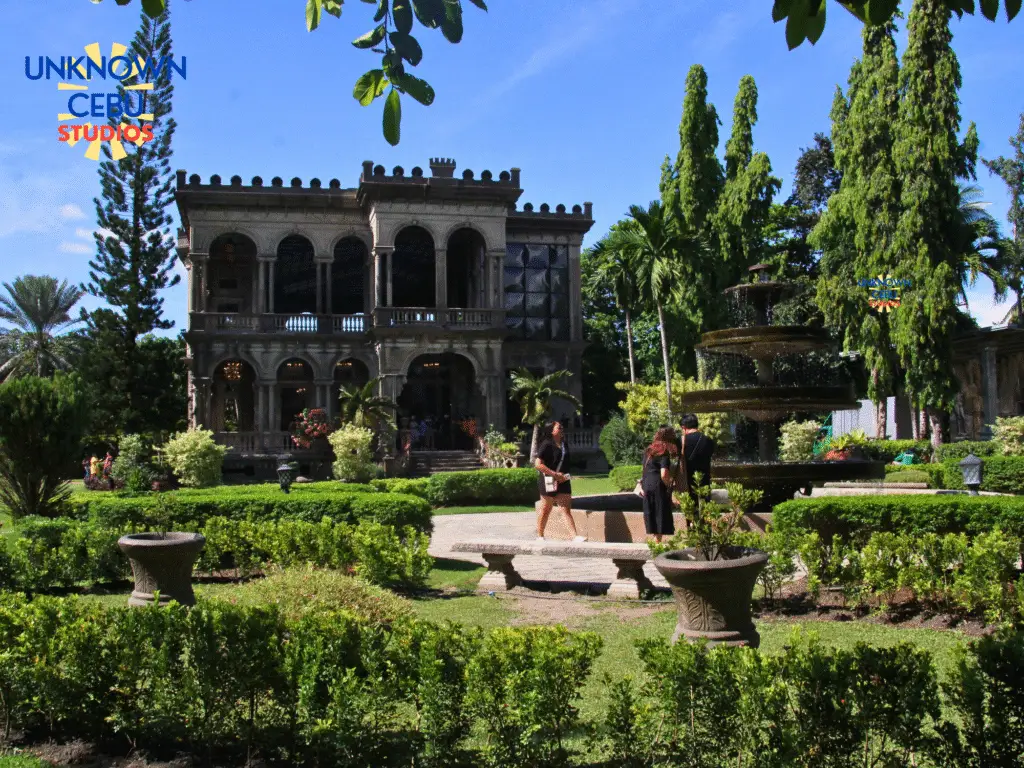
Today, The Ruins stands proudly as one of Negros Occidental’s treasured heritage sites, lovingly preserved by the Lacson–Javellana family. Over the decades, nature has embraced the mansion’s remains, letting bougainvillea vines soften the edges of its weathered walls. The four-tiered fountain, whose design dates back to the early 1910s, still greets visitors at the entrance like a silent storyteller. Guided tours bring the history to life with charm and humor, pointing out small but meaningful details—the shell-inspired tower roof honoring Maria’s father, the exact corner where the 1942 fire took hold, the architectural flourishes that reveal just how carefully the home was crafted. A café nearby invites visitors to sit, slow down, and watch the light change as the sun begins to set. And when evening comes, and the mansion glows under warm lights, the place feels almost dreamlike—part ruin, part memory, part living story. Today it is a favorite backdrop for weddings, portraits, sunset strolls, and quiet moments of reflection. The Ruins has become more than an attraction; it is a reminder that beauty can endure loss, that history can survive fire, and that love, once carved into stone, can echo across generations. The Ruins of Negros stand today, bustling.
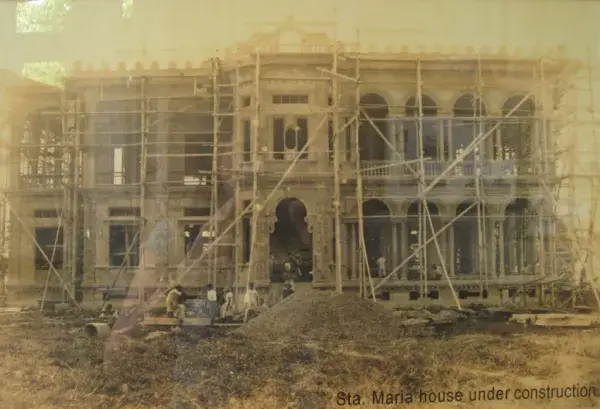
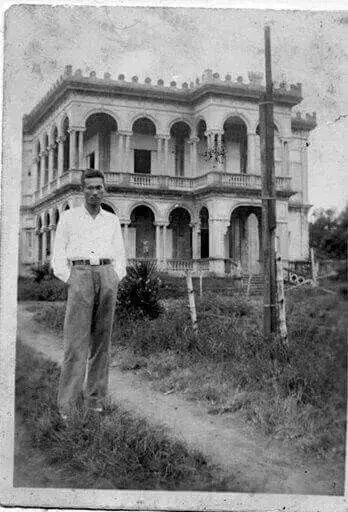
|UnknownCebuStudios| Consider following UnknownCebu on other social media accounts for more content like this.
Sources:
“The Ruins (mansion).” Wikipedia. Accessed November 11 2025. https://en.wikipedia.org/wiki/The_Ruins_%28mansion%29. Wikipedia
“The Ruins Mansion – Guide to the Philippines.” Guide to the Philippines. Accessed November 11 2025. https://guidetothephilippines.ph/destinations-and-attractions/the-ruins. Guide to the Philippines
“The Ruins: A Tragic Filipino Love Story.” The Culture Trip, August 2017. Accessed November 11 2025. https://theculturetrip.com/asia/philippines/articles/the-ruins-a-tragic-filipino-love-story.


