“Every place has a history worth exploring. Every place has a history worth noting. Every place has a history worth knowing.”
-UnknownCebu

Southern Cebu is known for its splendid, pristine, clean white sand beaches and its other natural wonders like Kawasan Falls and Tumalog Falls. These are the sites most commonly mentioned in local and foreign travel brochures and other promotional material for Cebu. Going south you pass by sign after sign of this and that tourist attraction with a photo, but for just a moment take a second to move away from the waterfalls, springs and pools and look towards the monumental churches and century old houses that thrive in Southern Cebu such as we shall see in this chapter of Argao History.

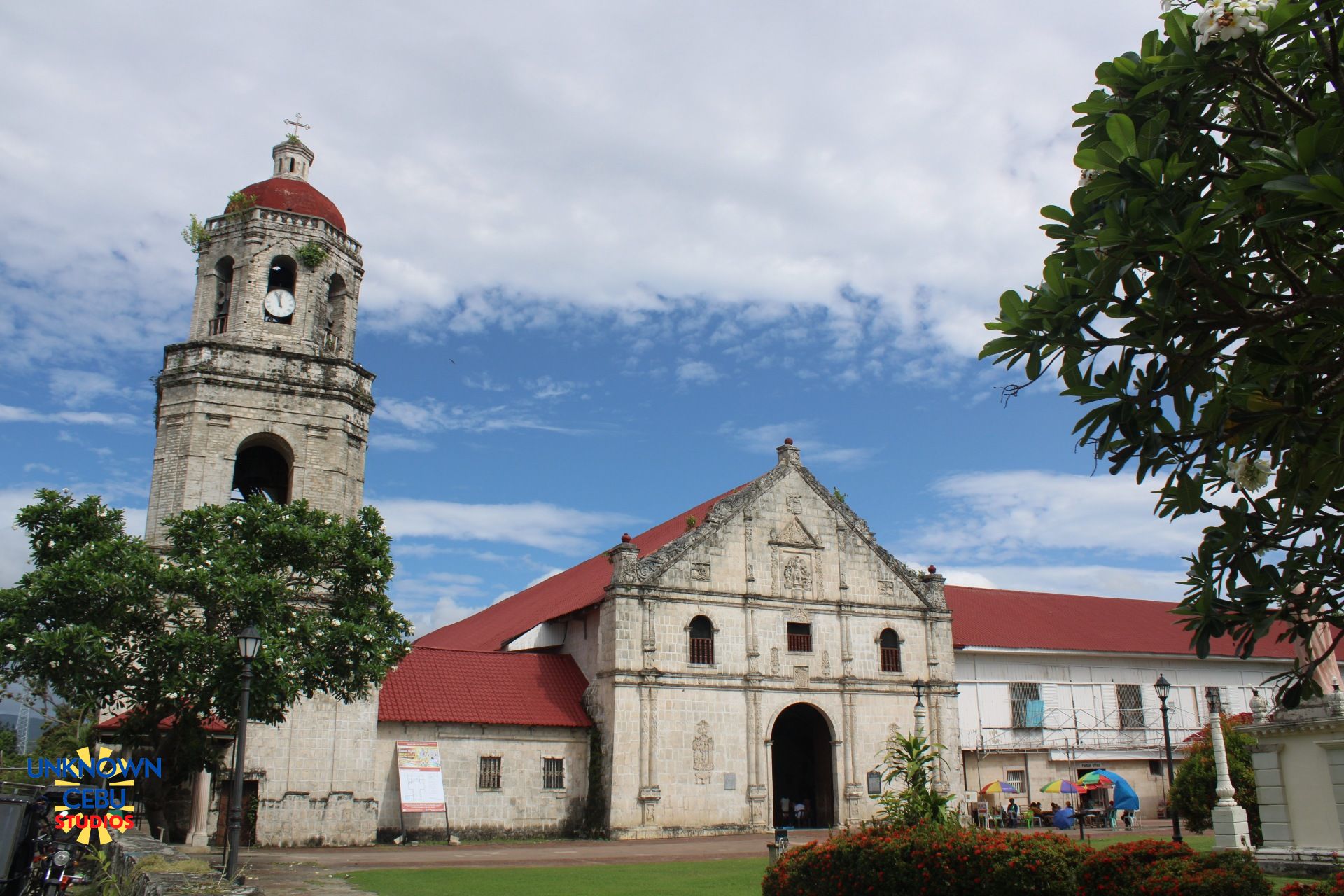
After passing by the heritage towns of Carcar and Sibonga you will arrive at the town of Argao. You turn left from the national highway on one of the cozy streets and arrive behind the church. The shaded streets give way to a massive plaza full of historical sites and buildings which have been preserved past the ravages of time. Even before entering the Plaza of Argao or what locals call “Cabecera De Argao” which is a product of the History of Argao. you are greeted with these large imposing coral stone piers which were once the gates of the old walls surrounding the town. The first thing you should notice upon entering the plaza is the old bell tower of the church. The Saint Michael the Archangel church’s date of construction is disputed but what is sure is that the parish was established in 1734. The present church was built by a Augustinian priest by the name of Fr. Mateo Perez, but some sources attribute the completion of the present church to Fr. Francisco Espina in the 1780s. The is typical of Southeastern churches with the Convent and Belltower on either side of the facade. The architectural style of the church is known as Baroque-roccoco.
The Spanish colonial center of Argao is the Poblacion which is where most of the business, celebrations and important events would take place. It is where many of the important events in Argaowanon history would take place and it is also the place where you can see many historical structures today.

Aside from the Parish church another heritage structure within 3 minutes of walking is the Hall of Justice of Argao which was once known as the Escuela De Niñas or School of the Girls. The coral stone structure was possibly built in the 1780s-1820s around the same time as the church. It is made of thick coral stone slabs taken from the ocean and fashioned by laborers hundreds of years ago. The walls are a meter thick to weather the effects of typhoon and earthquake. The windows are lined with Capiz shells in the traditional style. It was used as a Cuartel or Garrison during World War 2 by Japanese soldiers. The building burned once before in 1962 when a rocket launched during the town fiesta hit it causing a flame to tear through the building – a strange part of History in Argao.


The Plaza was once surrounded by a thick defensive walled called a “Paril” or “Muralla” similar to the one in Intramuros, Manila. Little remains of this wall today.
To get to Argao you must go to the South Bus Terminal in Cebu city and take the bus going to Argao which costs around Php 200 and takes two hours. You can of course also use a private vehicle or hire one which will cost more. The locals are very friendly and will point you in the direction of wherever you need to go if asked.


Heritage Cebu, The website is nice. Who runs it?
You may find me on Facebook as Atom Delima.