
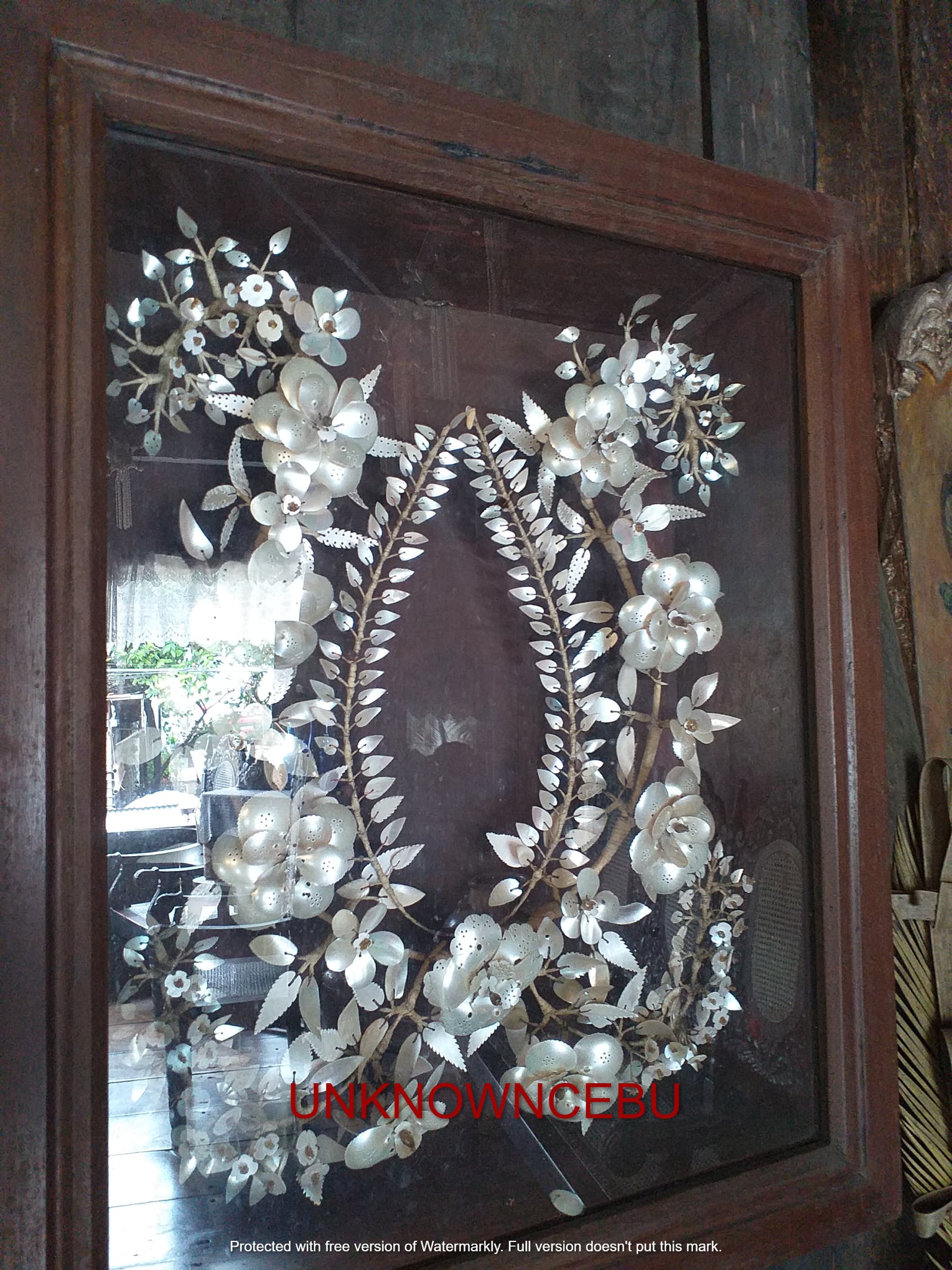
Filipino art today is in a state of decline with much of the new generation unaware or ignorant of the old Filipino arts. In the past Filipinos held very close to their hearts the traditions and old ways. It was and in part still is a critical part of our culture. Many of the people who have seen and experienced the old ways are now passing on to another life, unfortunately with their passing. They did not pass on the amazing traditions or the next generation found that the effort required was too much. One of the folk who can tell of their traditions are the fishermen of the Philippines. They see many things and are blessed with the opportunity to create from what they catch or find in the vast ocean. One of these artforms that have not been passed on very well to the next generation is called “Lagang” The artform is otherwise known as the “The lost art of Lagang” It is the making of floral arrangements from the chambered nautilus. With the death of most makers of Lagang these flowers have become a prized collectors item. Traders sell small antique arrangements for exorbitant prices like 20,000 Philippine pesos. When Lagang was still being made it cost 12-15 Pesos, which was a considerable amount at the time. This is a short history of Lagang.

The earliest mentions of the word lagang in history is in the Mentrida 1628 Lexicon which translates into conch shell. As Mexico was once a Spanish colony it could be entirely possible that the word found its way to the Philippines then to the island of Cebu where all Lagang was produced. A bit of mystery is in the story of Lagang as there is no archeological evidence of Lagang possibly indicating that it is a recent invention. During the 1890s-1920s the art of Lagang caught on in the southern towns of Boljoon, Dalaguete, Argao and Carcar. Families had arrangements on their walls around photos of family members or of saints kept in shadow boxes. The art was popular as it is an alternative to having normal floral arrangements. Aside from being an alternative it is much more durable and permanent than flowers allowing for these flowers to survive for almost 100 years. Fishermen or people close to the ocean are believed to be the first to discover and adapt the Lagang we know today. In the past the chambered nautilus was only used as food, but then at some point people started to cut up the chambered nautilus and turn them into flowers. The process in making Lagang is time consuming and tiring without modern industrial tools. Even today it takes a few weeks to a month to complete an order for Lagang. The first step in making lagang is crushing the shell then soaking it for hours in vinegar. The process of soaking the shell in vinegar is repeated several times, following the soaking the shell is polished with sand. After the shell is turned white by the vinegar and sand, it is then cut into rough flower shapes using large scissors or pliers. The small holes in the flowers are made with a small drill with a sharp iron piece at the end or a nail. After this it is arranged on branches with wires to form a complete arrangement.
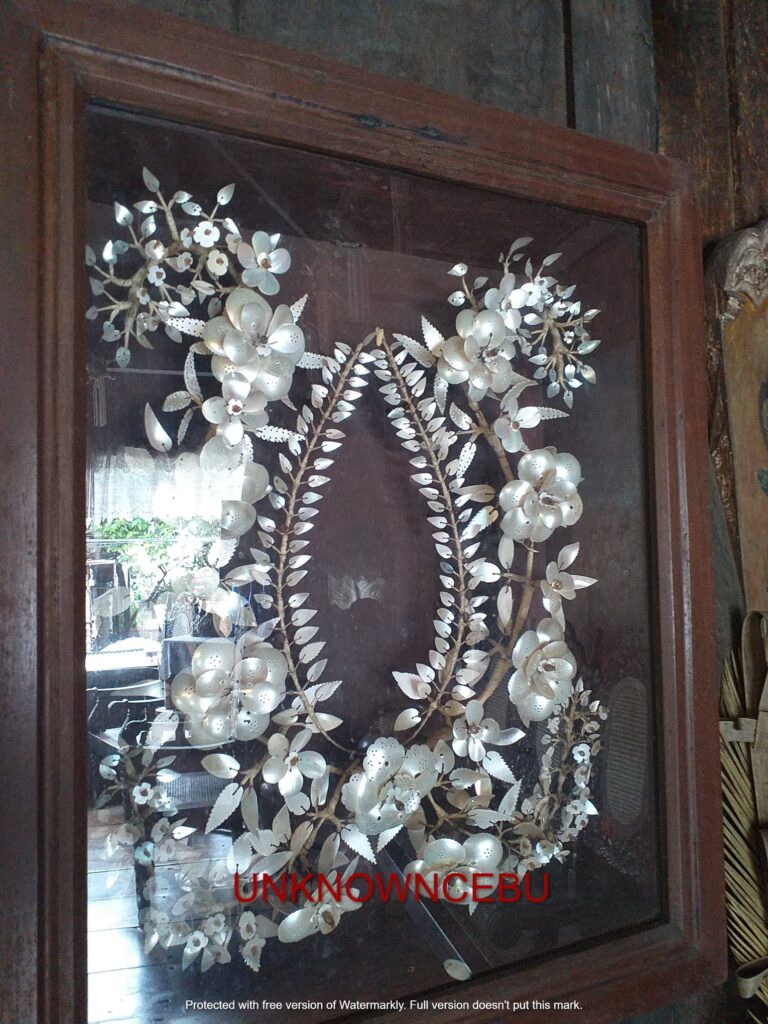
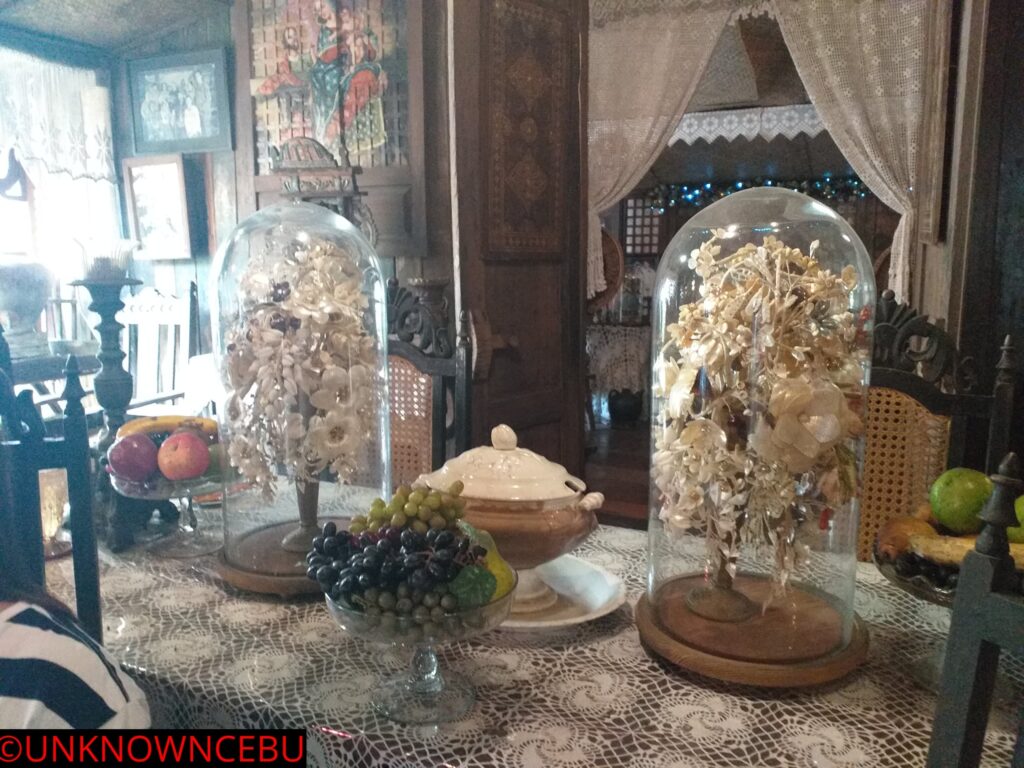
Today the art is mostly lost with only one maker left in Cebu. The last person making Lagang is Richelieu Colina of Mabolo. His grandfather taught him how to make Lagang teaching him and telling him that he should not stop practicing and making Lagang. Due to the time and effort needed to make Lagang he is the only person who has managed to keep the tradition alive. It is only a matter of time that the tradition will go extinct if nothing is done to preserve or carry on the tradition to the next generation. Places where Lagang can still be found are large ancestral houses in Barili, Dalaguete and Argao. One of the outliers that have Lagang on their walls is the Yap-Sandiego ancestral house in Cebu city. As of now there is no way to automate the making of Lagang, in addition with the declining supply of nautilus shells there is a chance that the tradition will go completely extinct and the history of lagang will become a story.

I hope that the Cebu provincial government will make an effort in reviving this dying art form. I have watched a video about this on the KABILIN youtube channel