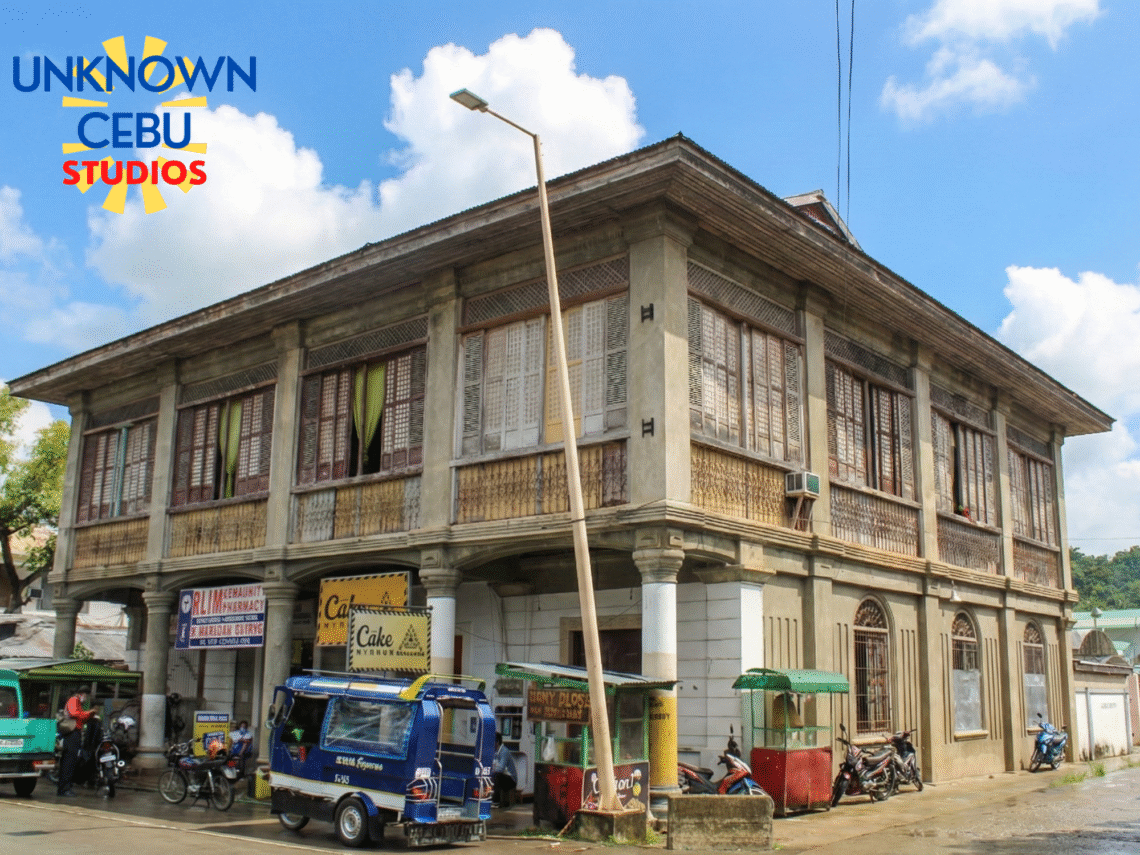
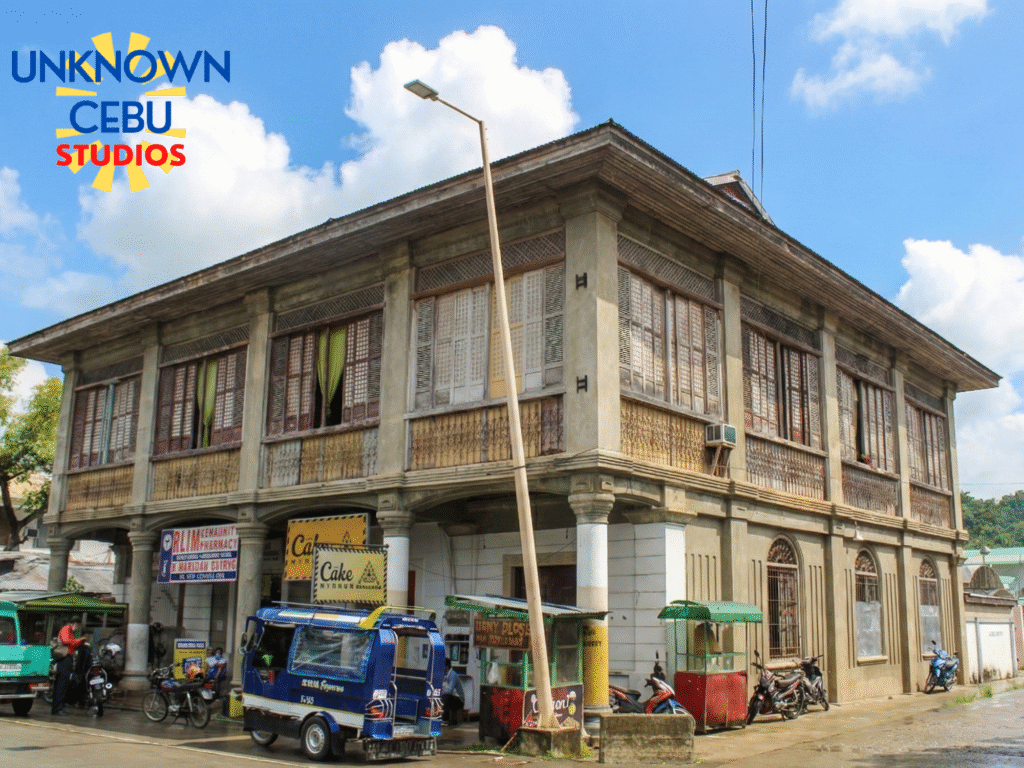
In the quiet coastal town of Valencia, Bohol, formerly known as Panangatan, the architectural timeline of the Philippines is often measured in the erosion of coral stone or the fading of timber. Yet, dominating the town center stands a structure that defies the organic decay of the Spanish era, asserting instead the geometric permanence of the American Commonwealth. This is the monumental Lim Ancestral House, a structure that serves as the physical anchor of the town’s history. While often mistaken for a 19th-century Bahay na Bato due to its traditional form, this imposing edifice is actually a marvel of 1930s engineering. Construction began in 1926 and spanned nearly a decade, finishing in 1935, a period when the local elite began trading the dampness of coral blocks for the industrial prestige of reinforced poured concrete. It stands not merely as a home, but as a “palazzo,” dominating the streetscape with a grandeur that whispers of a transition from the old feudal order to a new, professional aristocracy.
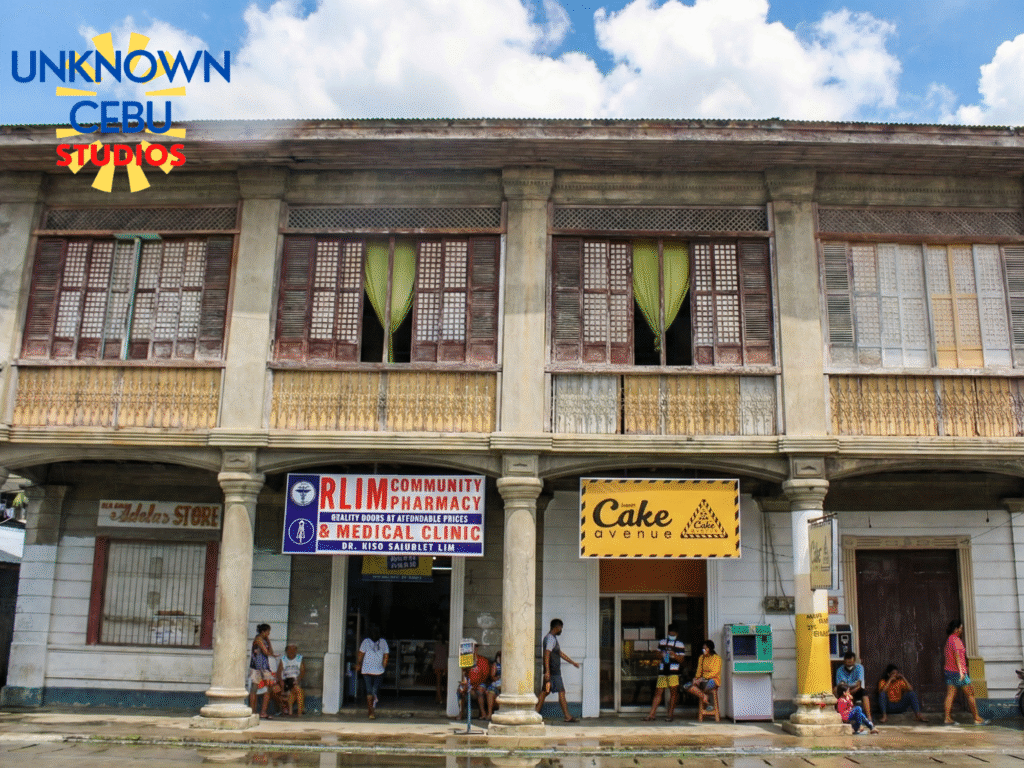
The house’s most arresting feature, one that immediately draws the eye of the architectural historian, is the ground floor arcade. Unlike the typical Boholano ancestral house where the zaguan (ground floor) presents a flat, defensive wall to the street, the Lim House features five massive Tuscan columns supporting the upper story. This creates a covered sidewalk or arcada, a design element rarely seen in the province and more reminiscent of the commercial districts of Colon in Cebu or the heritage rows of Vigan. This architectural choice was likely functional as much as it was aesthetic; in the 1930s, the ground floor housed the reputable medical clinic and pharmacy of Dr. Canuto Lim. The arcade provided shelter for patients and patrons, blurring the line between private residence and public service, a spatial dynamic that continues today as the ground floor remains occupied by local businesses, keeping the building economically vital in a modernizing world.
To understand the soul of this concrete giant, one must peel back the layers of its genealogy, which is as complex and interwoven as the calados (fretwork) adorning its interior. While the facade bears the mark of the Lim family’s 20th-century affluence, the roots of the property dig deeper into the soil of Valencia’s political history. The land title reportedly remains in the handwritten name of Victor Cuelles, the First Mayor of Valencia during the American Regime. The lineage flows from Victor to his daughter, Valentina Namoc Cuelles—the matriarch who married into the Lim clan—and subsequently to her son, Dr. Canuto Lim. It was Dr. Canuto, alongside his wife Illuminada Nolledo, who transformed the Cuelles inheritance into the “Italian-inspired” mansion we see today: a massive Bohol ancestral house.
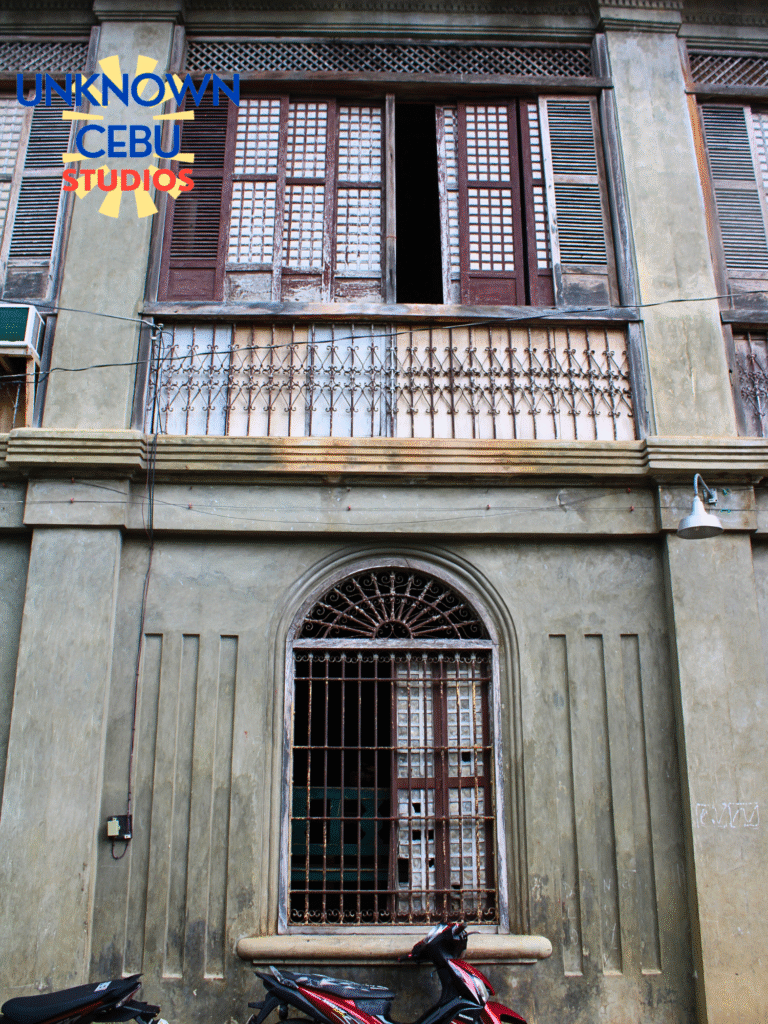
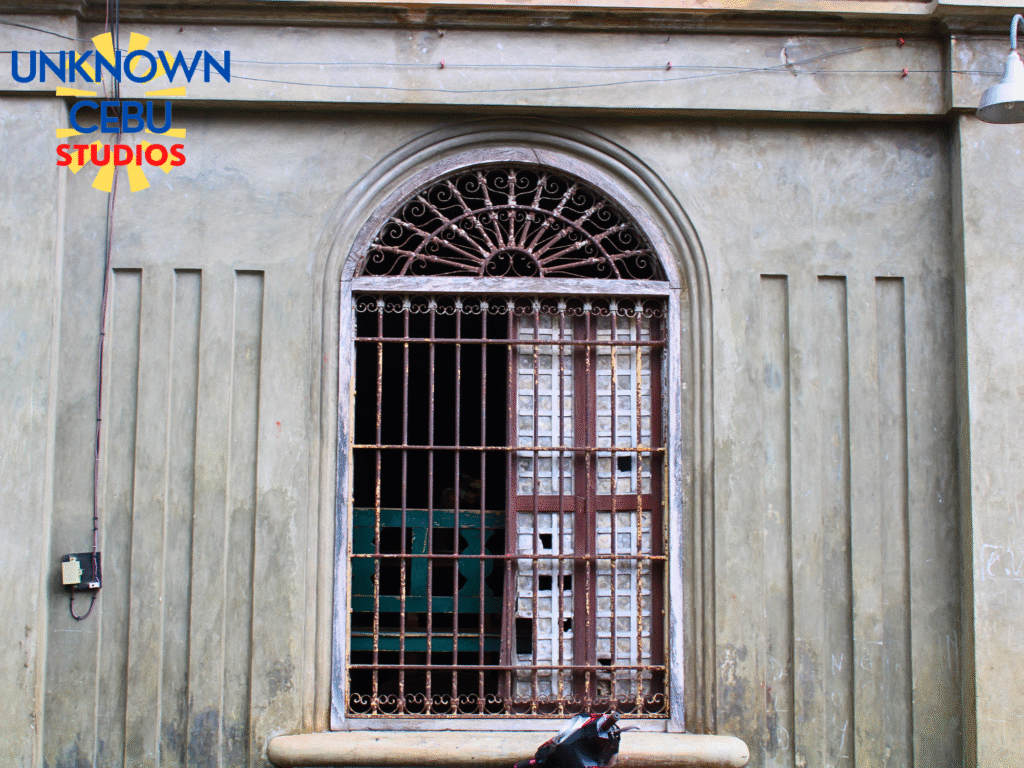
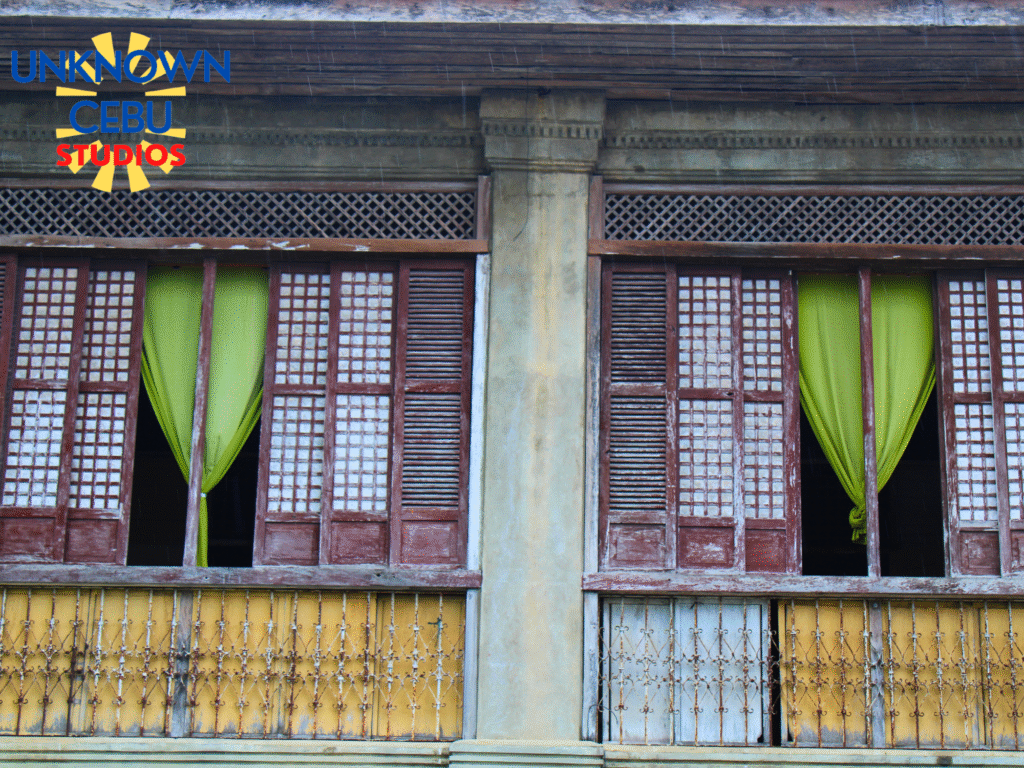
Stepping past the imposing exterior, the house reveals a masterful hybridity of materials. While the shell is modern concrete, the soul remains vernacular. The upper floor, the residential sanctuary, is a celebration of Philippine hardwood, featuring unusually wide floorboards that have been polished by the feet of generations of doctors and attorneys. The ventilation strategy is purely tropical; huge sliding capiz shell windows allow the sea breeze from the Bohol Sea to flush out the heat, assisted by ventanilla; small, latticed windows beneath the main sills, that cool the floor level. It is a house designed to breathe. The roof, a hipped structure clad in galvanized iron, caps a high-ceilinged interior adorned with medallions and portraits by an Italian sculptor, a testament to the cosmopolitan aspirations of Dr. Canuto, who sought to bring a touch of European refinement to the southern coast of Bohol; unique in this area of Ancestral house in Bohol.
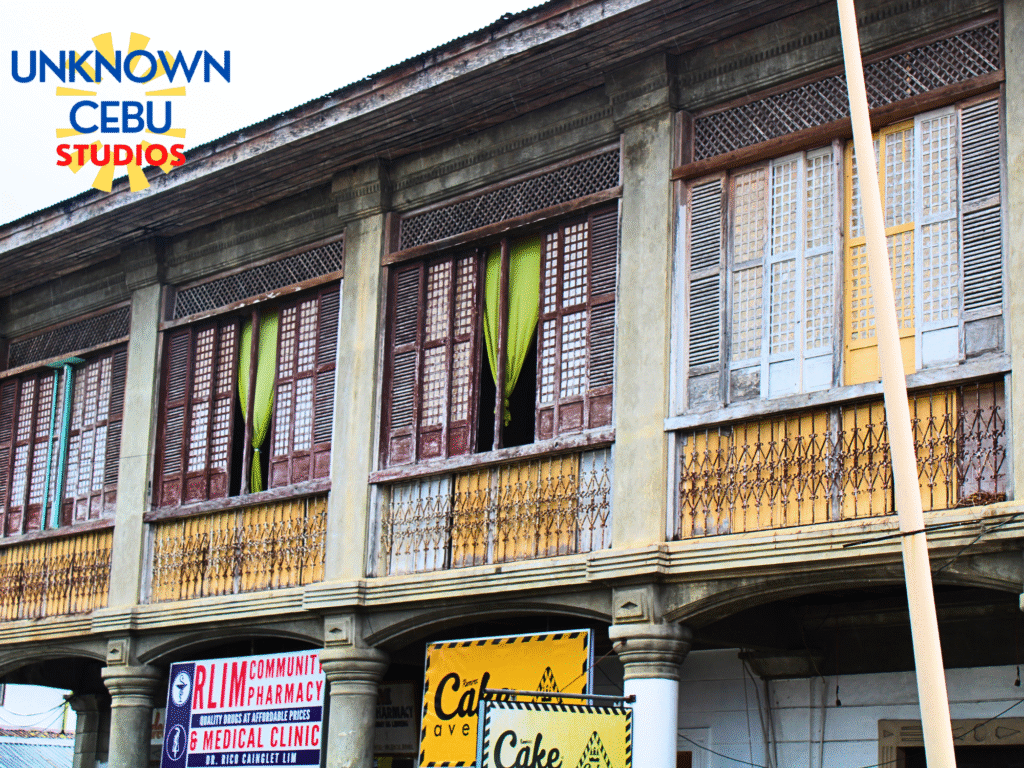
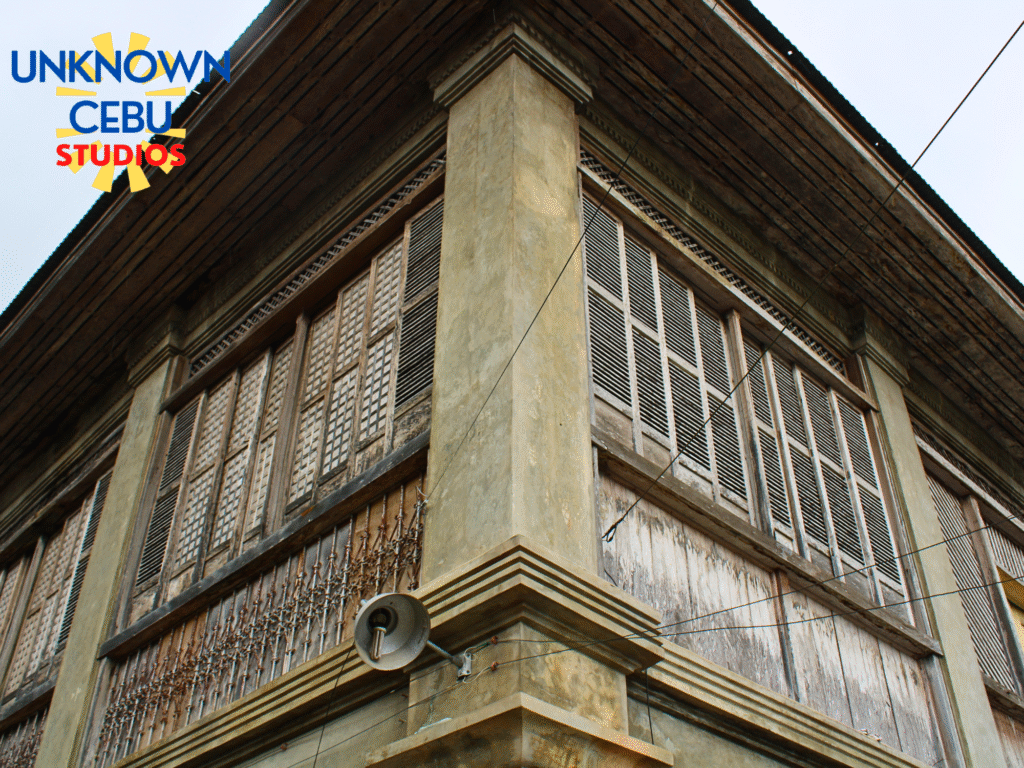

The survival of the Lim-Cuelles House is a narrative of resilience against both natural and man-made threats. In a province where road widening projects frequently slice through the heritage districts of poblacions, this mansion has been saved by “fortunate circumstances,” likely a combination of its setback provided by the arcade and the political weight of the family name. It stands in stark contrast to its neighbors; just beside it sits a smaller, well-preserved “palazzo” with wooden persianas and unusual lattice screens, creating a streetscape that is undeniably the heritage core of Valencia. These structures do not just occupy space; they hold the line against the encroaching anonymity of modern commercial architecture, serving as tangible reminders of a time when houses were built to outlast their owners.
Today, the Lim Ancestral House remains a living entity rather than a museum. The hustle of commerce on the ground floor echoes the busy days of Dr. Lim’s pharmacy, while the silent, spacious quarters above hold the memories of a sprawling family tree of the six children of Valentina, the doctors, the attorneys, and the unmarried aunts who watched the town evolve from the windows. It is a “Bahay na Bato” in spirit if not entirely in stone, a concrete testament to the era when the Philippines stood at the doorway of independence. As one walks under the shadow of those Tuscan columns, there is a palpable sense of the weight of history, a handwritten title, a doctor’s ambition, and a family’s enduring legacy cast in concrete and capiz.
Sources:
Akpedonu, Erik, and Czarina Saloma-Akpedonu. Casa Boholana: Vintage Houses of Bohol. Quezon City: Ateneo de Manila University Press, 2011.
“Ex-Bohol Governor Dies.” Cebu Daily News, March 30, 2020. cebudailynews.inquirer.net/275544/ex-bohol-governor-dies.
“Men Who Came to Bohol, Made Significant Impact, and Now Largely Forgotten.” The Bohol Chronicle, August 13, 2019. boholchronicle.com.ph/2019/08/13/men-who-came-to-bohol-made-significant-impact-and-now-largely-forgotten/.
“Gaudioso Lim, 1897–1977.” FamilySearch Ancestor Profile. Accessed December 3, 2025. ancestors.familysearch.org/en/L2QW-5KD/gaudioso-lim-1897-1977.
“Maria Katrina ‘Kat-Kat’ Lim.” Serbisyo.ph. Accessed December 3, 2025. serbisyo.ph/philippines/valencia/electoral-candidates/maria-katrina-quot-kat-kat-quot-lim.
Castillo, Leo and Nina. “Emblems of a Storied Past: Balayan’s Ancestral Houses.” The Shoestring Diaries (blog), December 8, 2023. shoestringdiary.wordpress.com/2023/12/08/emblems-of-a-storied-past-balayans-ancestral-houses/.
apaxhe. “Lim.” Bohol Vintage Houses (blog), May 25, 2015. boholvintagehouses.wordpress.com/2015/05/25/lim/.
“Valencia, Bohol.” Wikipedia. Last modified October 20, 2025. en.wikipedia.org/wiki/Valencia,_Bohol.
UnknownCebu. “Unspecified Post.” Blog post, 2022.


