
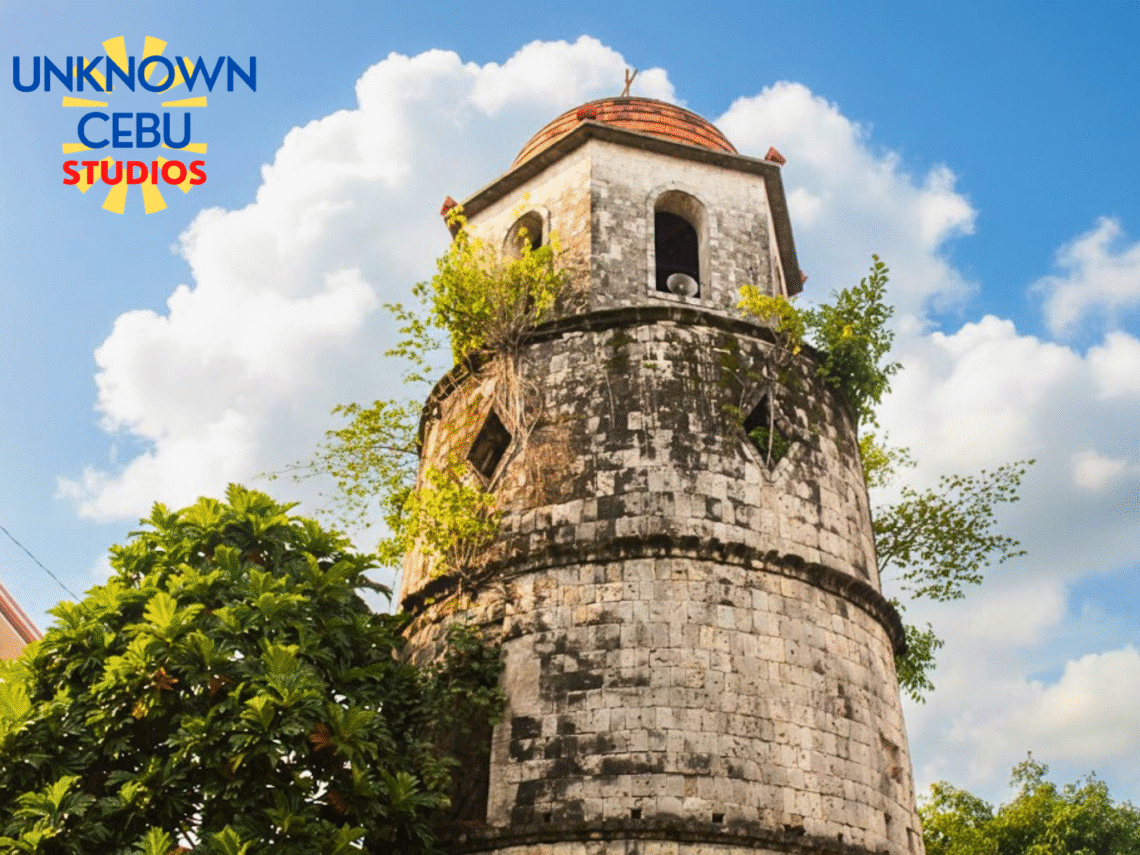
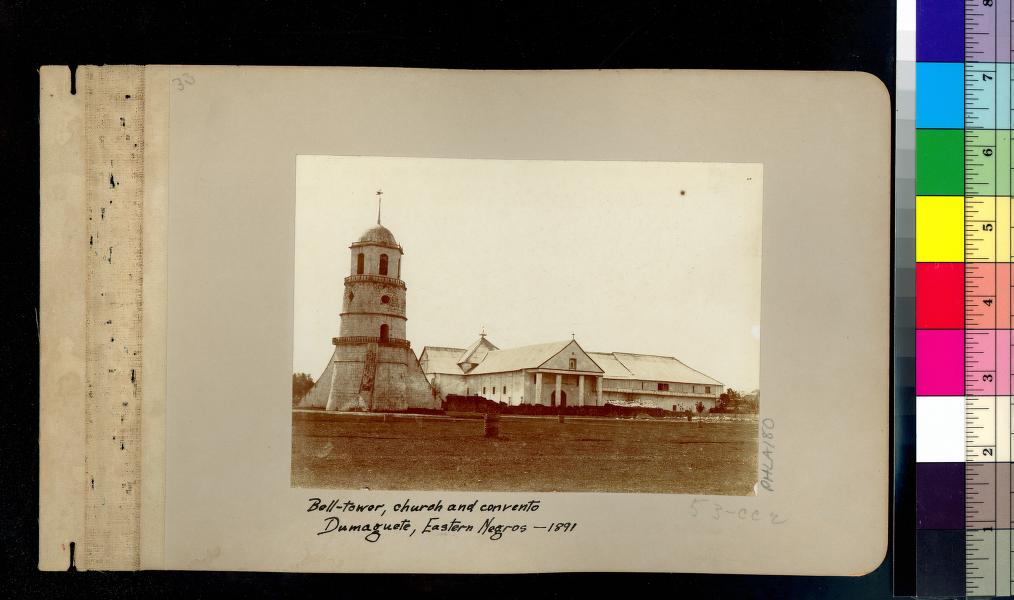
The Campanario de Dumaguete, while globally recognized as the paramount civic and religious landmark of Dumaguete City, Negros Oriental, possesses a foundational history rooted not in ecclesiastical design but in the rigorous exigencies of Spanish colonial military defense. Its genesis is directly traceable to the volatile socio-political landscape of the 18th and 19th-century Visayas, specifically the unrelenting and devastating threat posed by persistent maritime raids, historically documented as Moro piracy. The structure’s evolution from a purely military observation post to a religious belfry encapsulates the strategic adaptation of Spanish colonial infrastructure on the frontier.
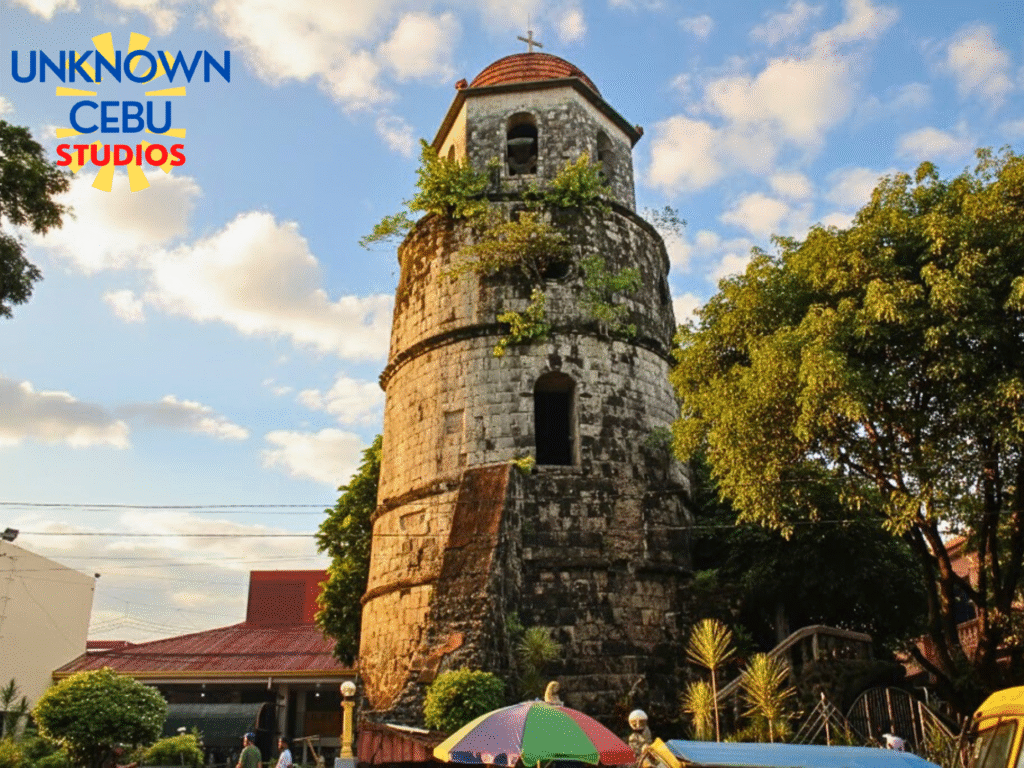
The institutional foundation for this fortification was laid with the establishment of the Dumaguete parish in 1620. However, the true impetus for constructing a permanent stone watchtower system arose from the sustained aggression of raiders, whose incursions targeted coastal communities for material wealth and, crucially, for the slave trade. This acute threat demanded a durable, high-vantage defense capable of providing advanced warning. Consequently, the practice of constructing stone watchtowers, or baluartes, became a standardized component of the colonial defense strategy across the archipelago. This strategic placement of durable structures signaled Spanish geopolitical commitment and protection against maritime rivals emanating from the Southern Philippines, linking spiritual control with territorial sovereignty.
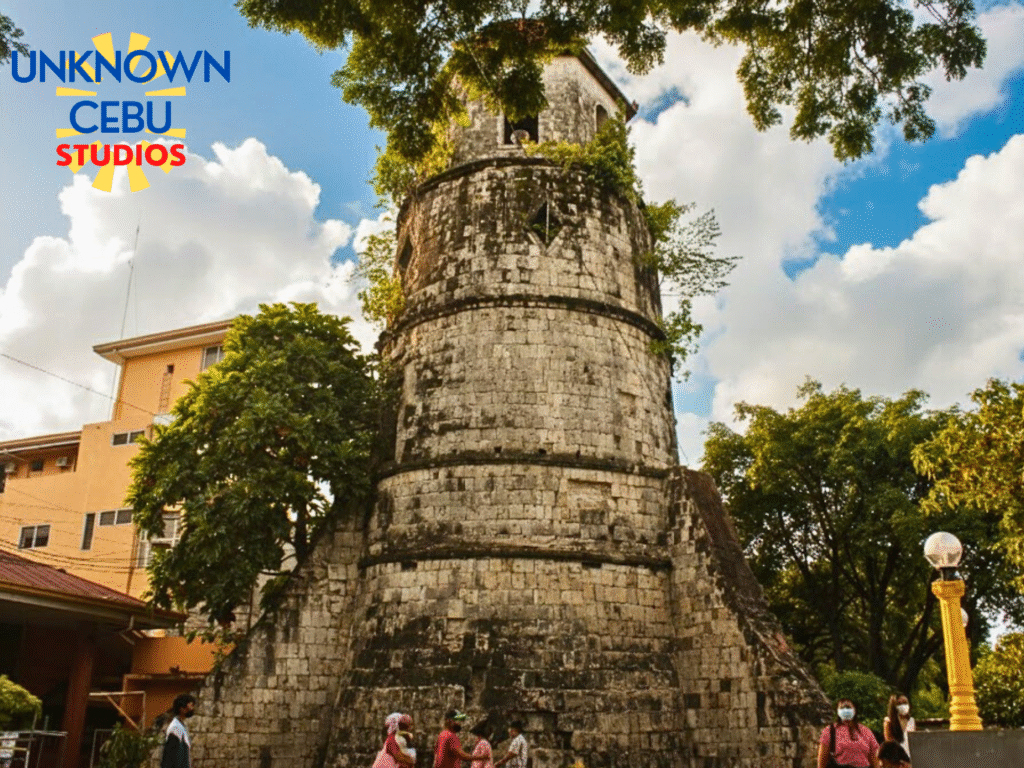
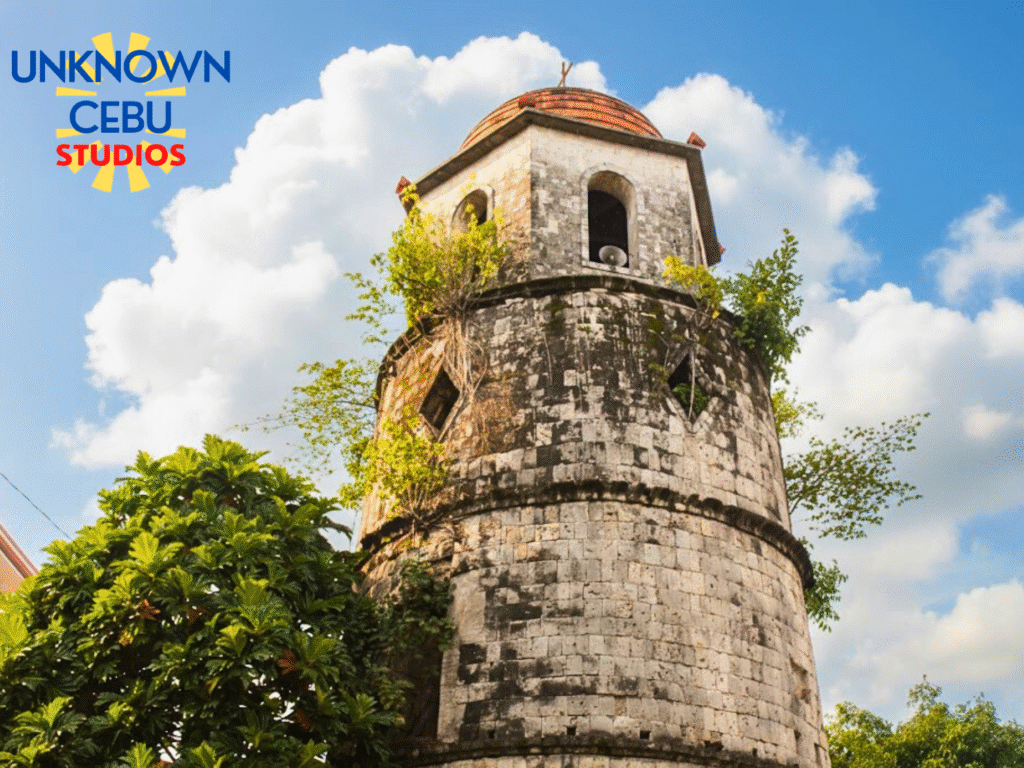
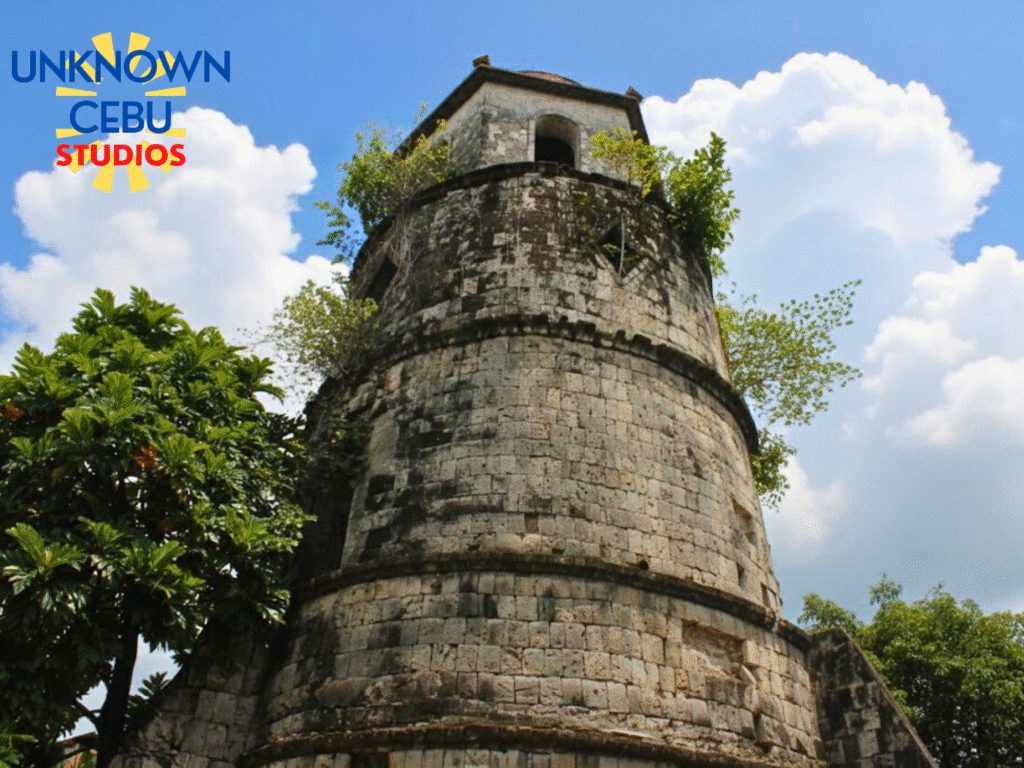
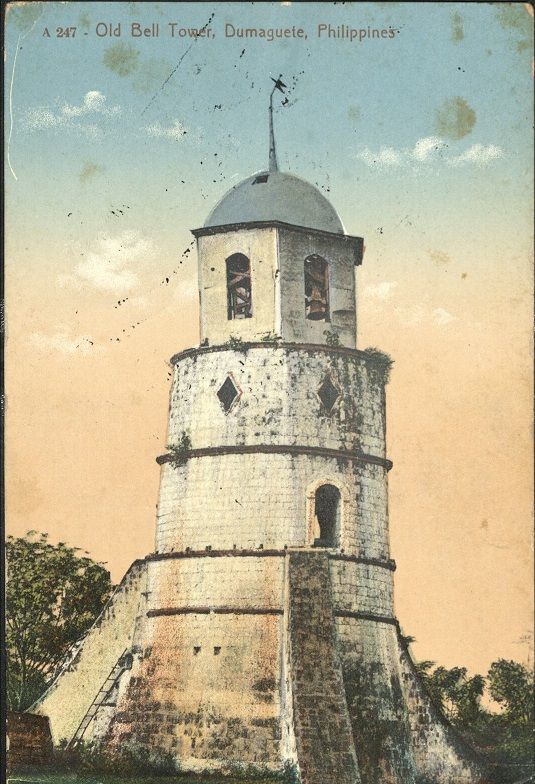
Scholarly and archival evidence confirms that the structure substantially predates the more commonly cited 19th-century dates. The foundation of the fortification system is accurately attributed to the tenure of Fr. Jose Fernandez de Septien (1754–1776). Under his direction, a comprehensive strategy was implemented, involving the construction of four robust watchtowers of cut stone and lime mortar at the corners of the church lot. The base of the present Campanario is architecturally confirmed as one of these original 18th-century baluartes, establishing the core of the monument as a military installation dedicated to the town’s survival during the most acute phase of maritime threats.
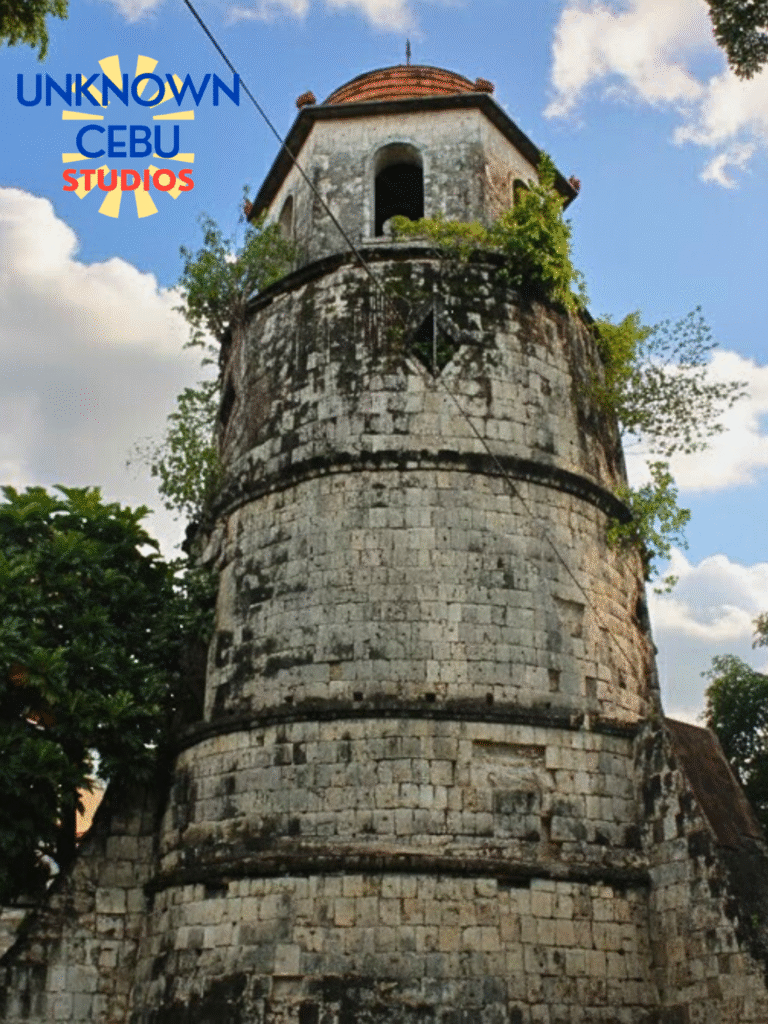
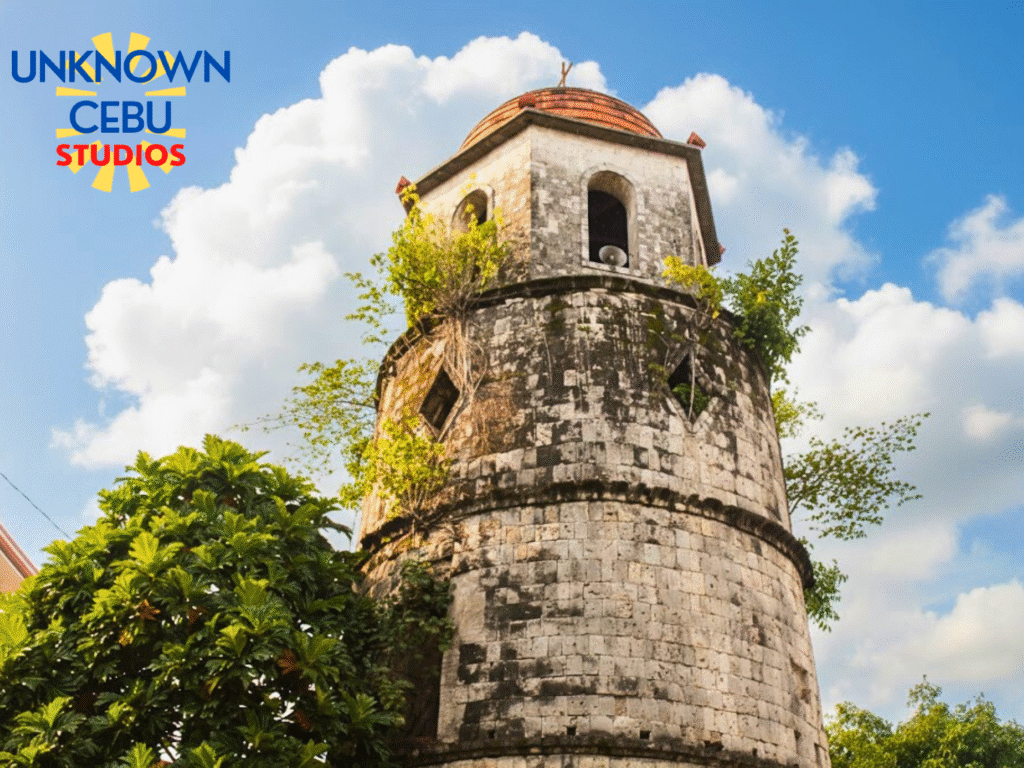
The structure’s functional transformation occurred over a century later, during a period when the threat of large-scale raids had significantly diminished. The conversion from a military outpost to an ecclesiastical belfry was orchestrated under the administration of Fr. Juan Felix de Encarnacion (1867–1879). This phase saw the most profound architectural alteration: the addition of the top two tiers to the existing, incredibly resilient 18th-century watchtower foundation. This structural elevation transformed the utilitarian defense tower into the imposing, multi-story Campanario de Dumaguete, one of the oldest and most architecturally significant bell towers in the Visayas region.
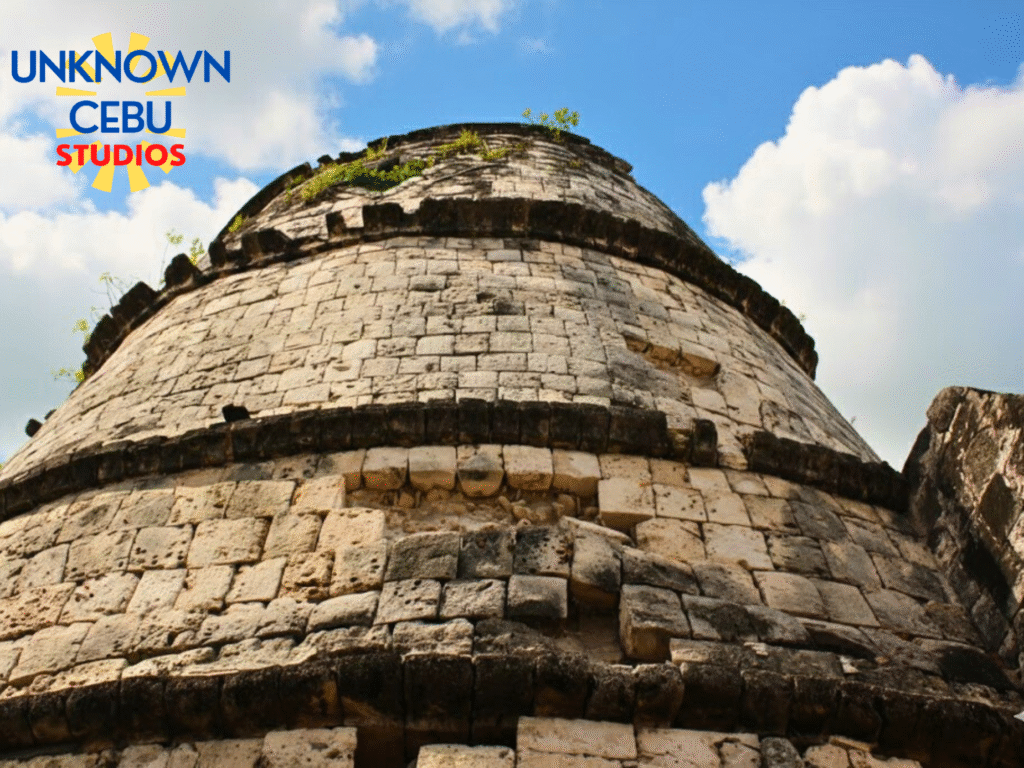
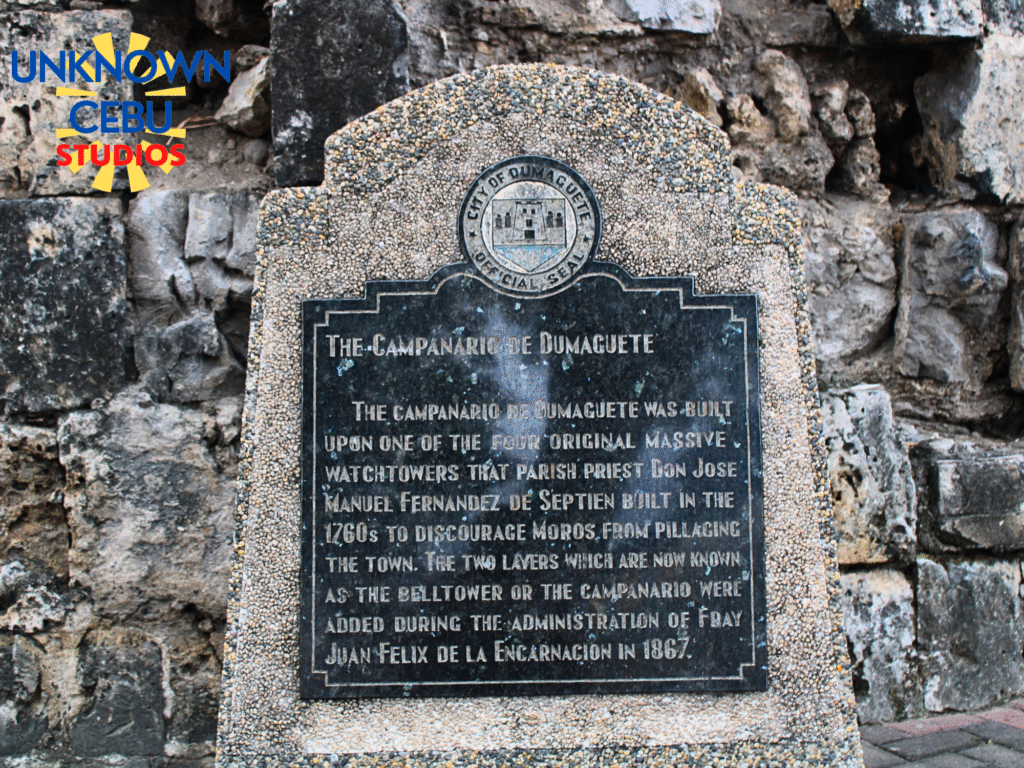
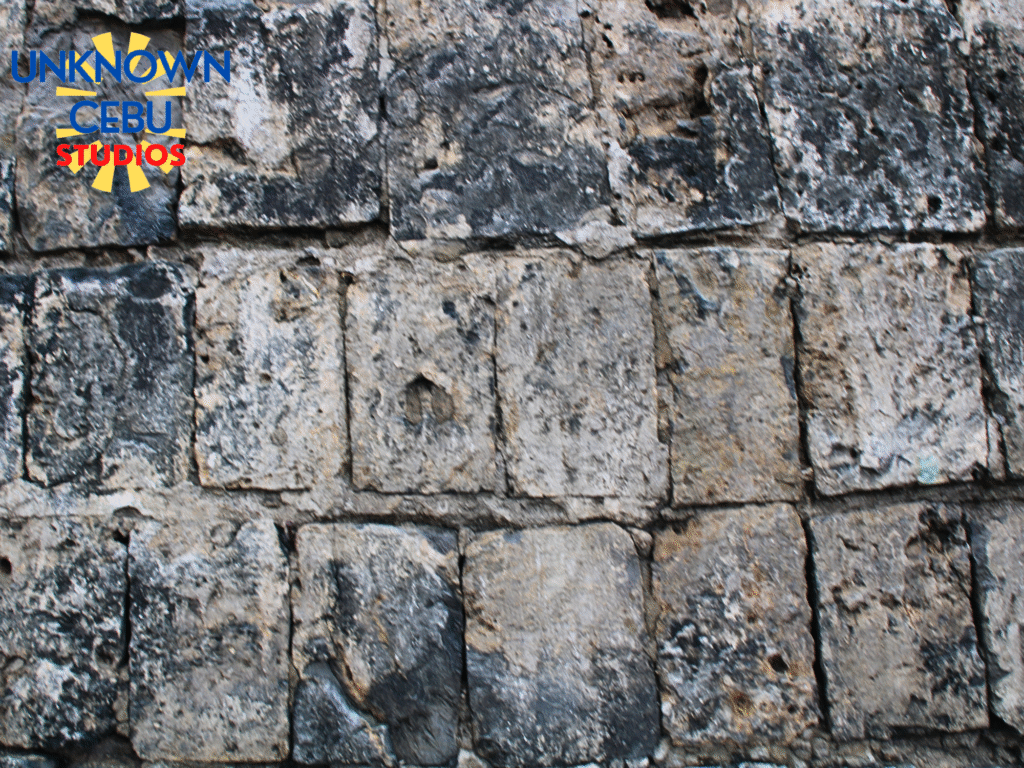
In the contemporary era, the Campanario has transcended its historical roles to become a major cultural and religious nexus. Its importance has been formally recognized by the National Museum of the Philippines (NMP), which declared it an Important Cultural Property (ICP) around 2020. This designation has initiated a multi-phase, multi-million peso restoration project focused on structural reinforcement and the meticulous pursuit of architectural authenticity. The current challenge in conservation—specifically the necessary removal or relocation of non-original additions like the Grotto of Our Lady of Perpetual Help—underscores the complex tension between preserving the integrity of a nationally significant historical artifact and accommodating its function as an active site of contemporary popular devotion.
The Campanario de Dumaguete thus stands as a crucial monument embodying the layered evolution of the Spanish colonial presence: it began as a fundamental strategic response to external military threats, transitioned into a definitive assertion of spiritual authority, and now serves as a key symbol of modern civic identity and national heritage, with its long-term preservation secured through rigorous heritage management and public-private cooperation.
Sources:
Non, Domingo M. “Moro Piracy during the Spanish Period and Its Impact.” Southeast Asian Studies 30, no. 4 (March 1993): 401–419. https://kyoto-seas.org/pdf/30/4/300403.pdf.
Partlow, Mary Judaline. “Nat’l Museum Gives P6M More for Dumaguete Bell Tower Restoration.” Philippine News Agency, August 7, 2025. https://www.pna.gov.ph/articles/1256093.
Partlow, Mary Judaline. “Iconic Centuries-Old Dumaguete Belfry Restoration on Schedule.” Philippine News Agency, October 31, 2024. https://www.pna.gov.ph/articles/1236862.
Partlow, Mary Judaline. “Belfry at Dumaguete Church Named Important Cultural Property.” Philippine News Agency, November 7, 2022. https://www.pna.gov.ph/articles/1187950.
Partlow, Mary Judaline. “Iconic Centuries-Old Dumaguete Belfry Restoration on Schedule.” Inquirer.net, November 3, 2024. https://newsinfo.inquirer.net/2000680/iconic-centuries-old-dumaguete-belfry-restoration-on-schedule.
The Bohol Times. “The Belfry.” The Bohol Times, December 9, 2024. https://theboholtimes.com/?p=13043.
Heritage Conservation. “Dumaguete Cathedral Belfry.” Heritage Conservation (blog), July 28, 2006. https://heritageconservation.wordpress.com/2006/07/28/dumaguete-cathedral-belfry/.
“Dumaguete Belfry.” Dumaguete.com. Accessed November 24, 2025. https://dumaguete.com/dumaguete-belfry/#google_vignette.
“Dumaguete Cathedral.” Wikipedia. Last modified November 13, 2024. Accessed November 24, 2025. https://en.wikipedia.org/wiki/Dumaguete_Cathedral.
“Spanish Colonial Fortifications in the Philippines.” Wikipedia. Last modified November 9, 2025. Accessed November 24, 2025. https://en.wikipedia.org/wiki/Spanish_colonial_fortifications_in_the_Philippines.
“‘The Historic Campanario de Dumaguete’: A Timeless Landmark.” Suroy.ph. Accessed November 24, 2025. https://suroy.ph/the-historic-campanario-de-dumaguete-a-timeless-landmark/.
Visions of Travel. “Old Bell Tower, Dumaguete.” Visions of Travel. Accessed November 24, 2025. https://visionsoftravel.org/old-bell-tower-dumaguete/.
Central Visayas Wonders. “Dumaguete’s Belfry and Cathedral Church.” Central Visayas Wonders (blog), March 3, 2019. https://centralvisayaswonders.home.blog/2019/03/03/dumaguetes-belfry-and-cathedral-church/.
“Dumaguete Belfry.” No Postcode. Accessed November 24, 2025. https://www.nopostcode.com/dumaguete-belfry/.


