
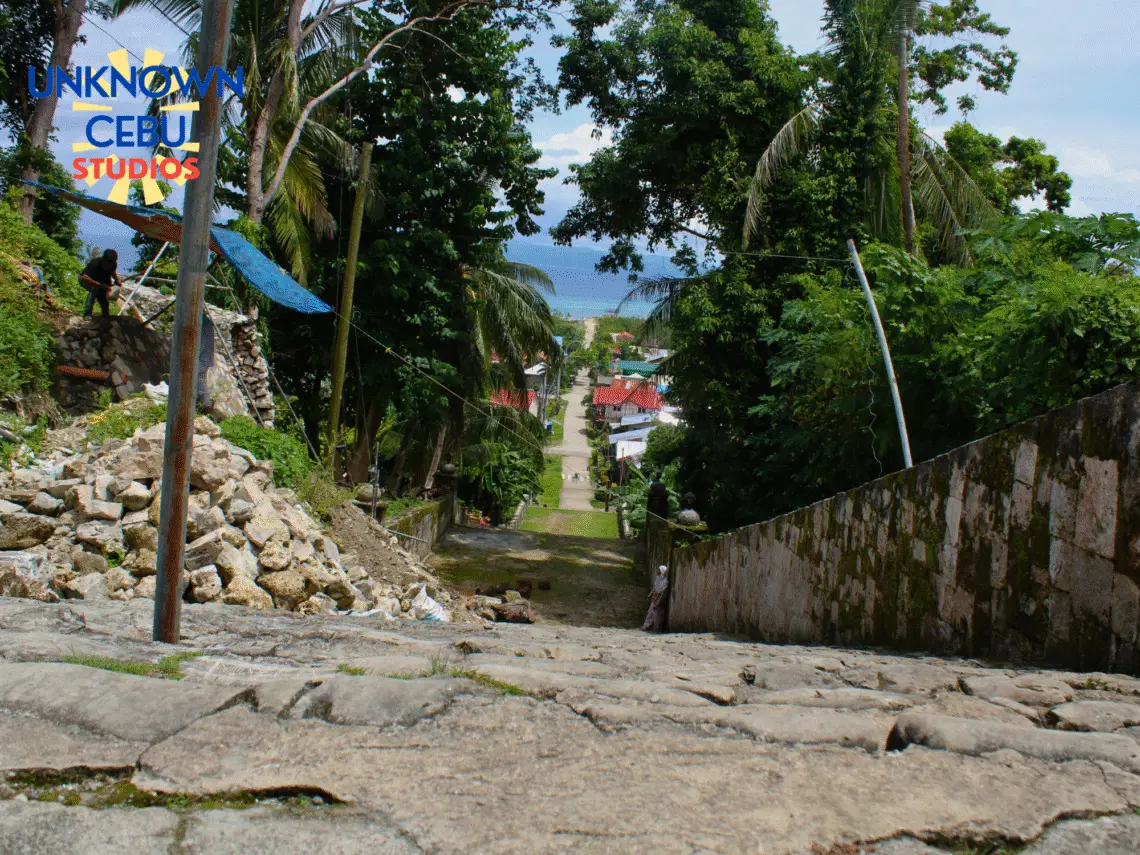
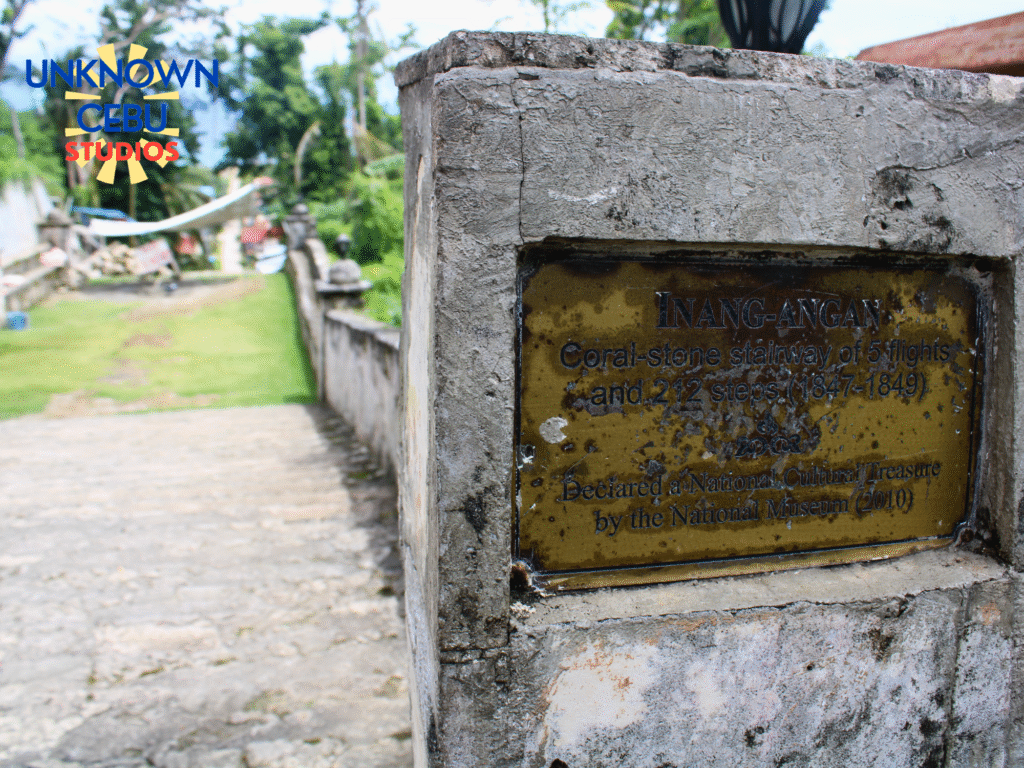
There’s a quiet sense of permanence that greets you at the foot of the Inang-angan Stairway in Loon, Bohol. Rising in neat coralstone precision from the coastal barangay of Napo to the upland village of Moto, the stairway has been part of Loon’s landscape for more than 170 years. It was built between 1847 and 1849 under the direction of Fr. Antonio Yus, then the parish priest, who sought to link the seaside settlement with the new church complex on higher ground. During the Spanish colonial period, frequent pirate raids pushed the residents to relocate their parish uphill, leaving behind the original town by the shore. The result was a unique challenge that called for both faith and engineering—a stairway carved out of coral stone, meant to bridge the old and the new Loon.
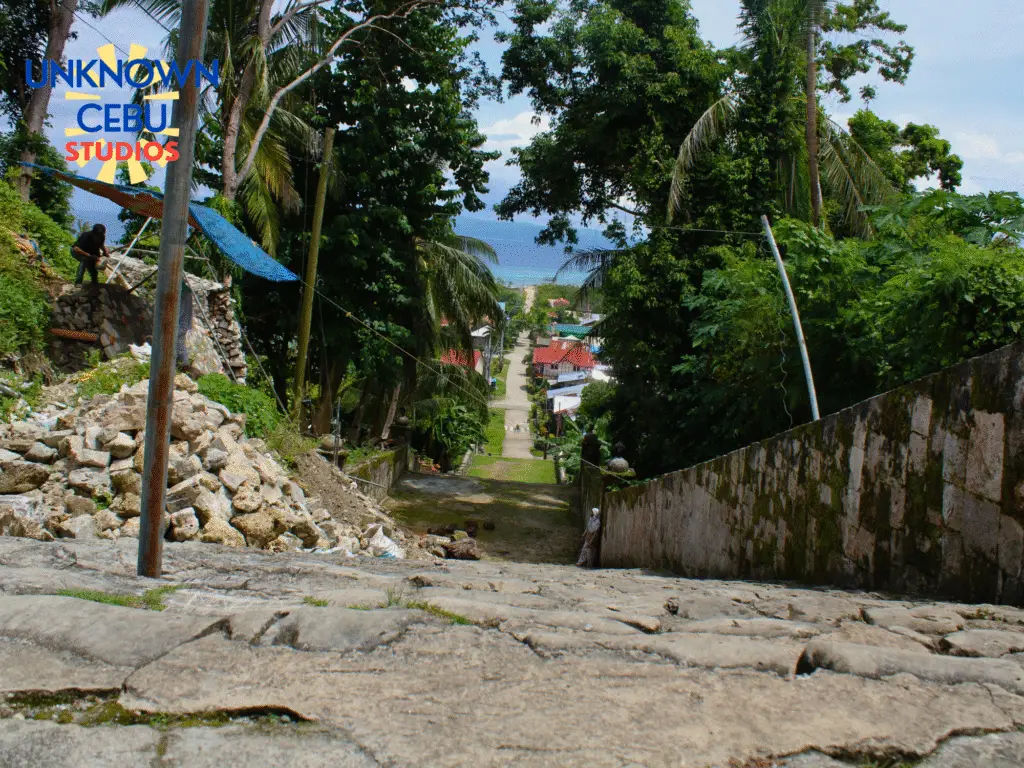
The structure that remains today is a testament to both craftsmanship and endurance. The Inang-angan Stairway is composed of four broad flights of steps totaling 174, plus a shorter fifth flight of 38 that climbs to the former convent, now the Sacred Heart Academy. Built entirely from quarried coral blocks, its surface bears the texture of time, yet it still stands as sturdy as when it first guided townsfolk between Napo and Moto. The National Museum of the Philippines describes it as a “broad and measured grand flight” roughly six meters wide, ending at the historic Tulay wharf. From the top, the view opens toward the Cebu Strait and the coastline of Loon, a panorama that blends natural beauty with colonial heritage. It’s easy to see why the stairway is often included in heritage tours that highlight the architectural resilience and artistry that define Bohol’s history.
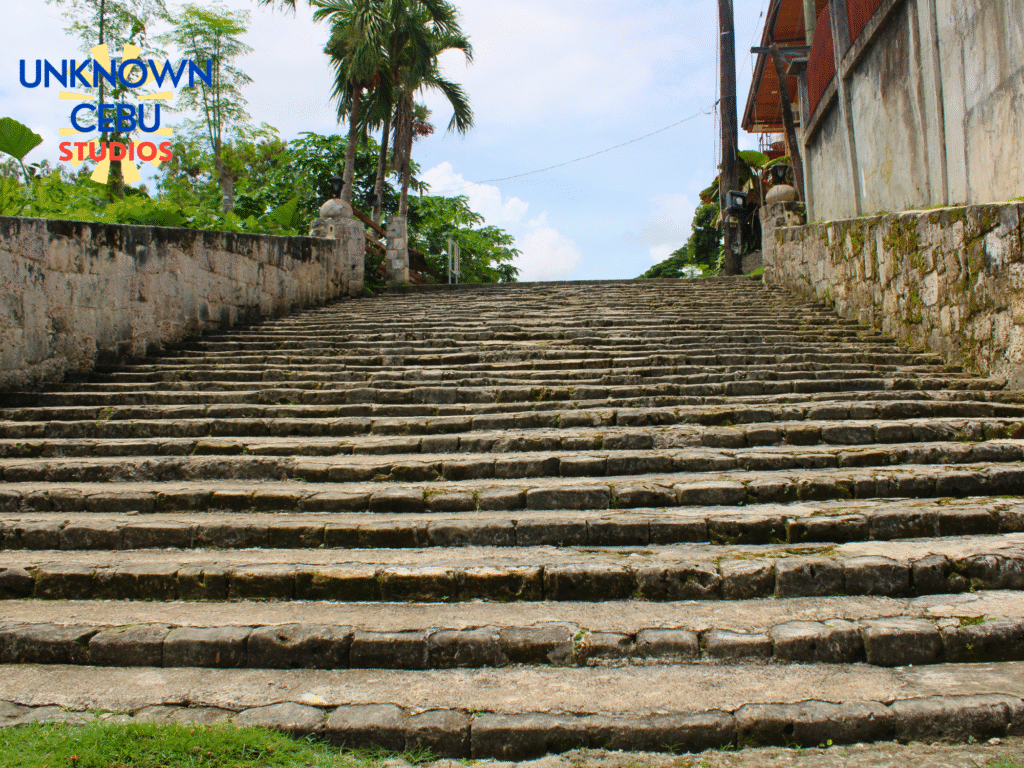
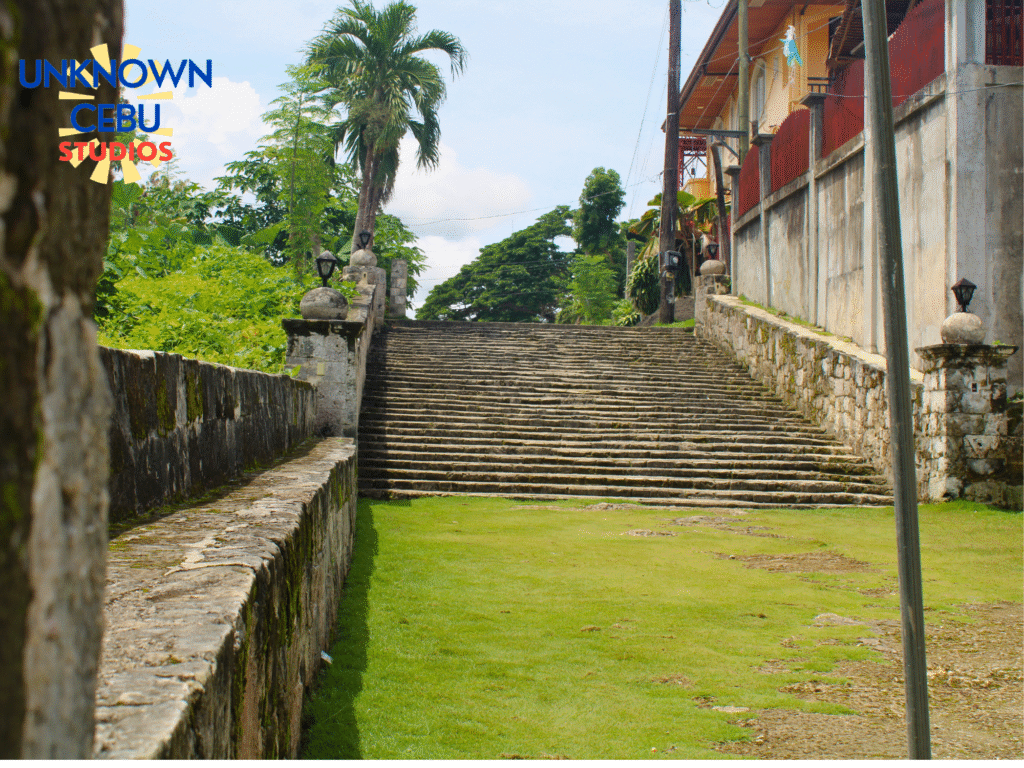
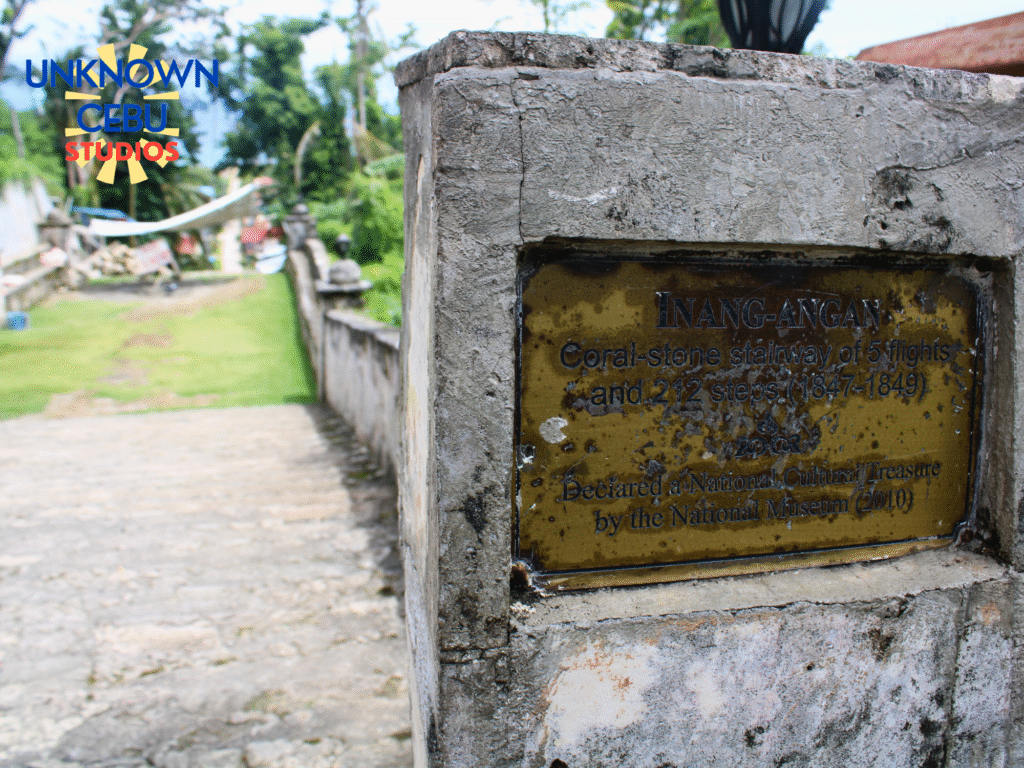
Generations have used its coral steps for daily errands, processions, and festivals. It forms part of the Nuestra Señora de la Luz Church Complex, which, along with the church, mortuary chapel, and circular cemetery, was declared a National Cultural Treasure in 2010. During the annual SidlaKasilak Festival of Lights, residents and pilgrims climb the stairway carrying lanterns in honor of the town’s patroness, Our Lady of Light. This ritual transforms the centuries-old structure into a glowing river of devotion, a living expression of how deeply history still moves through the heart of modern Loon. The stairway’s endurance through wars, storms, and earthquakes only strengthens its place in the collective memory of the town.
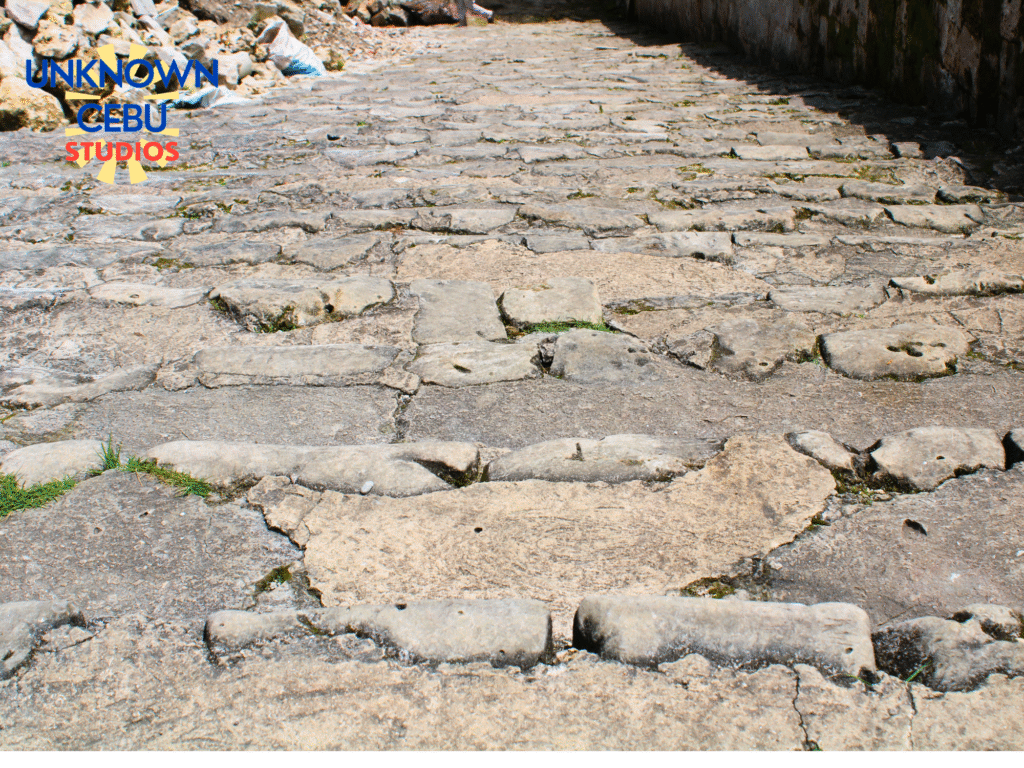
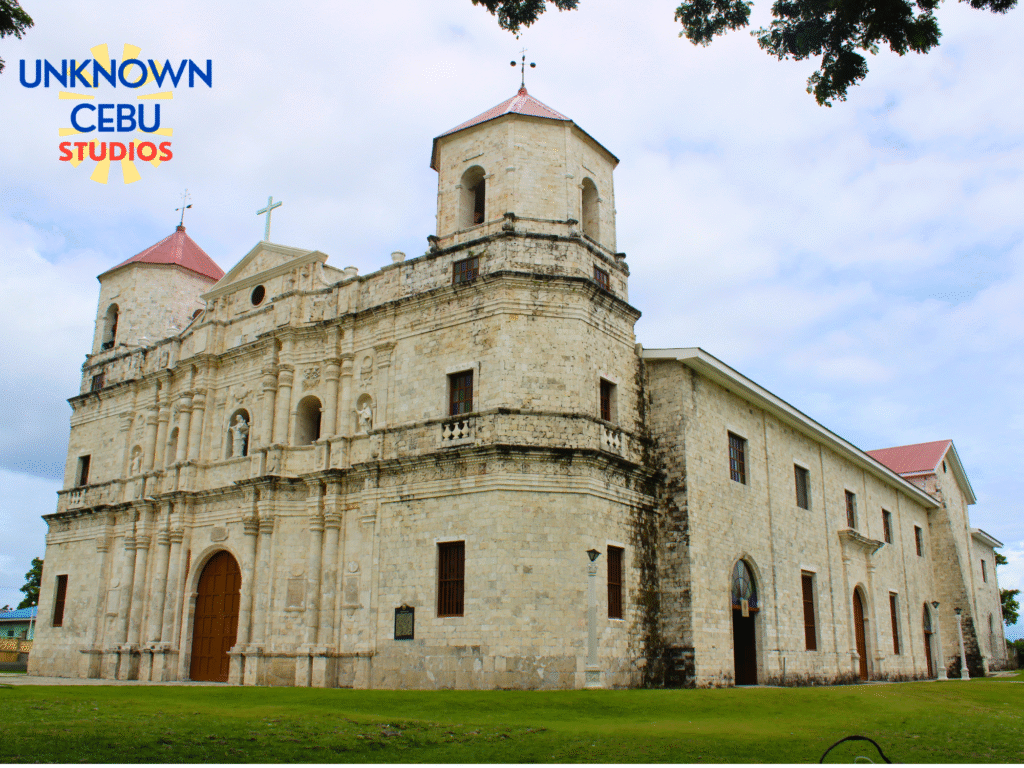
When a 7.2 magnitude earthquake struck Bohol in October 2013, the Inang-angan Stairway suffered damage but did not fall. While the church above it collapsed, the stairway’s coral foundations held firm, earning it a new distinction—it became the first heritage structure in the province to be fully restored under the guidance of the National Museum by 2016. Today, visitors who make the short trip—about 27 kilometers west of Tagbilaran City—can climb those same coral steps that have carried generations of Loonanons between sea and sky. The Inang-angan Stairway remains more than an architectural landmark; it is a living record of Loon’s history, built not just from stone but from the persistence of a community that has always found strength in its climb.
|UnknownCebuStudios|


