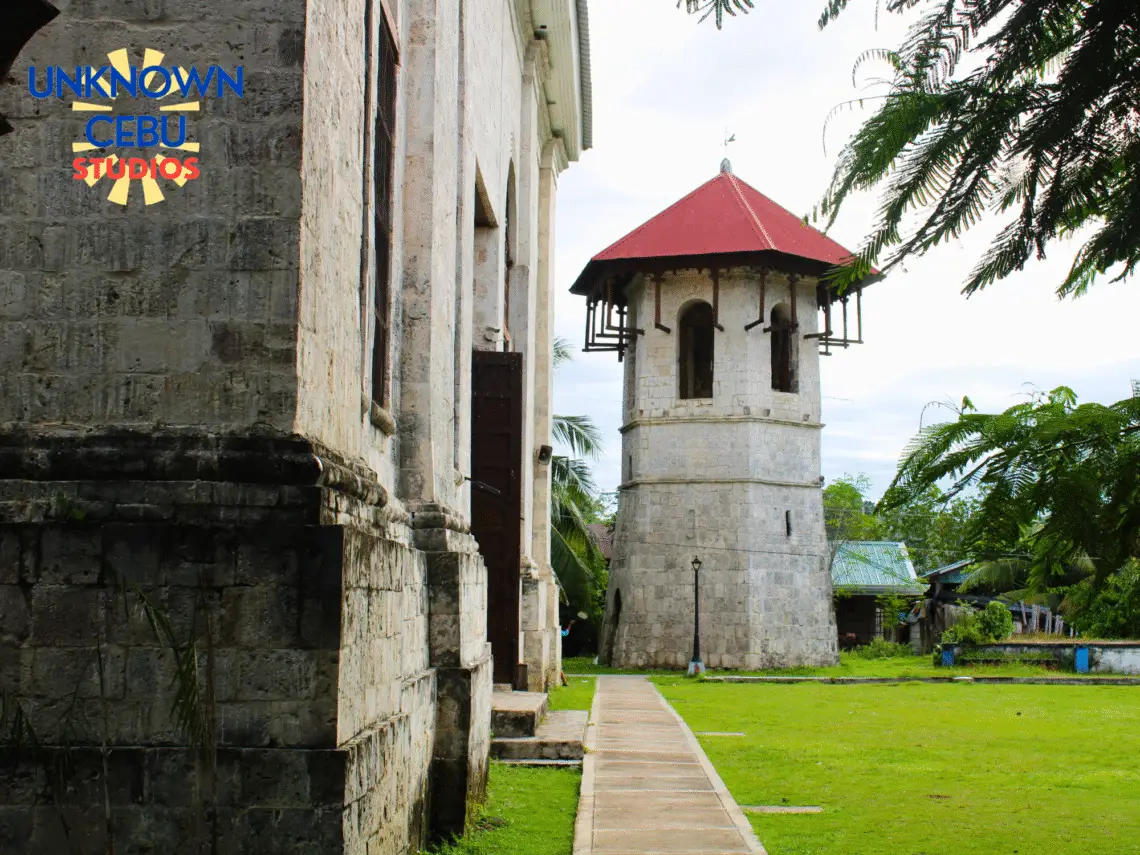
Behind the picturesque Church of Our Lady of the Assumption in Dauis, Bohol, stands a remarkable coral-stone structure that has silently watched over the centuries — the Dauis Watchtower. Built in 1774 under the supervision of Fr. Santiago del Corazón de Jesús of the Augustinian Recollects, this stout, hexagonal tower once guarded the narrow strait between Dauis and Tagbilaran. Made of hand-cut coral blocks quarried from the nearby sea, it rises three stories high, its weathered walls whispering tales of faith and vigilance. The structure was not just a piece of architecture — it was a lifeline, serving as a lookout point against the feared Moro raiders who frequently attacked coastal settlements during the Spanish period. This is the Dauis Watchtower.
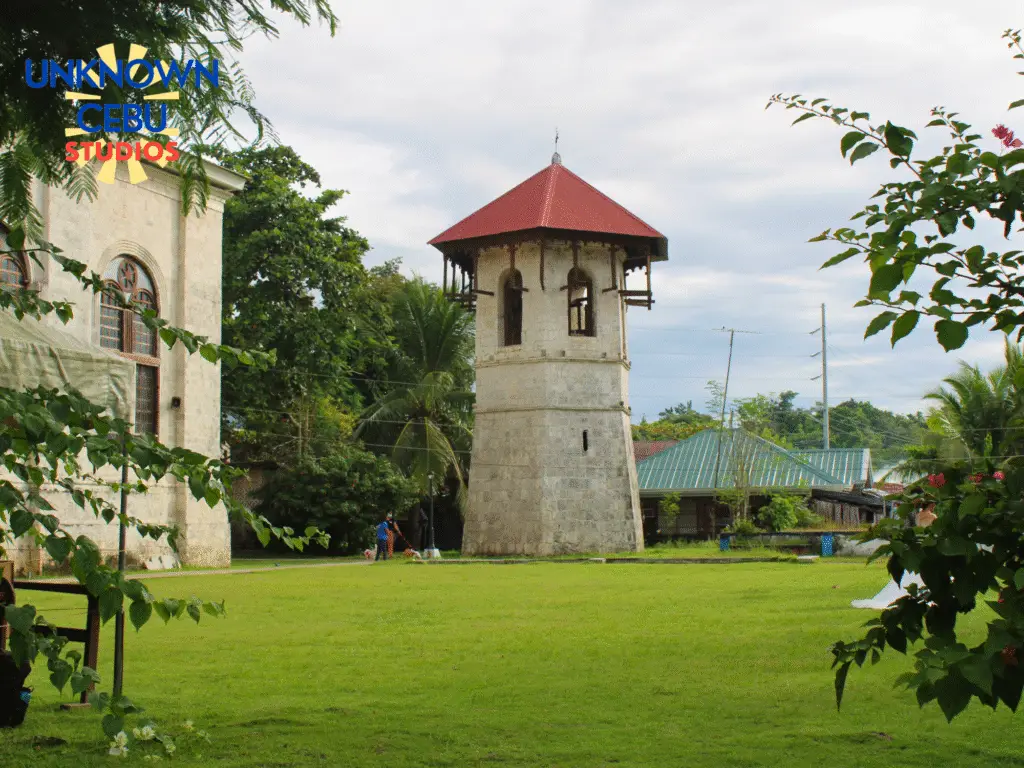
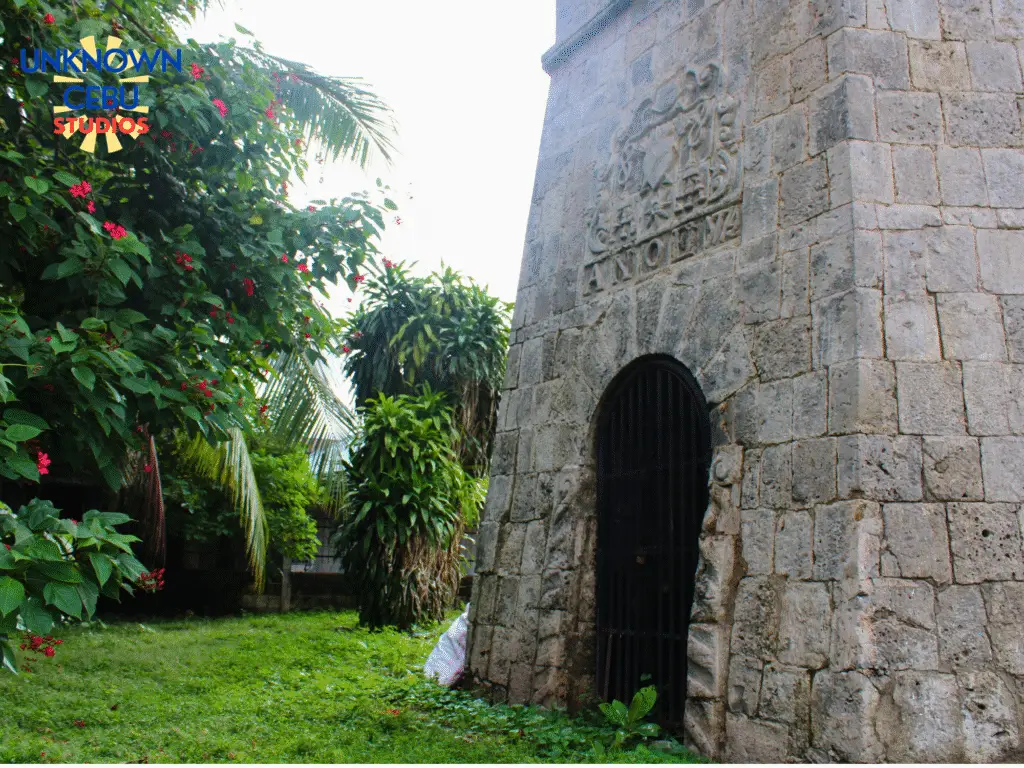
The Dauis Watchtower was part of a larger network of coastal fortifications built across Bohol in the 18th century. These towers, often erected near churches or convents, doubled as both defensive posts and bell towers, where townspeople could seek refuge during attacks. The one in Dauis was strategically placed to monitor the channel between Panglao Island and the Bohol mainland — a vital trade and fishing route that also served as an entry point for raiders. The bas-relief near its entrance, bearing the Augustinian emblem and the year of its completion, serves as a silent testament to the town’s early struggle for survival and its deep-rooted connection to faith.
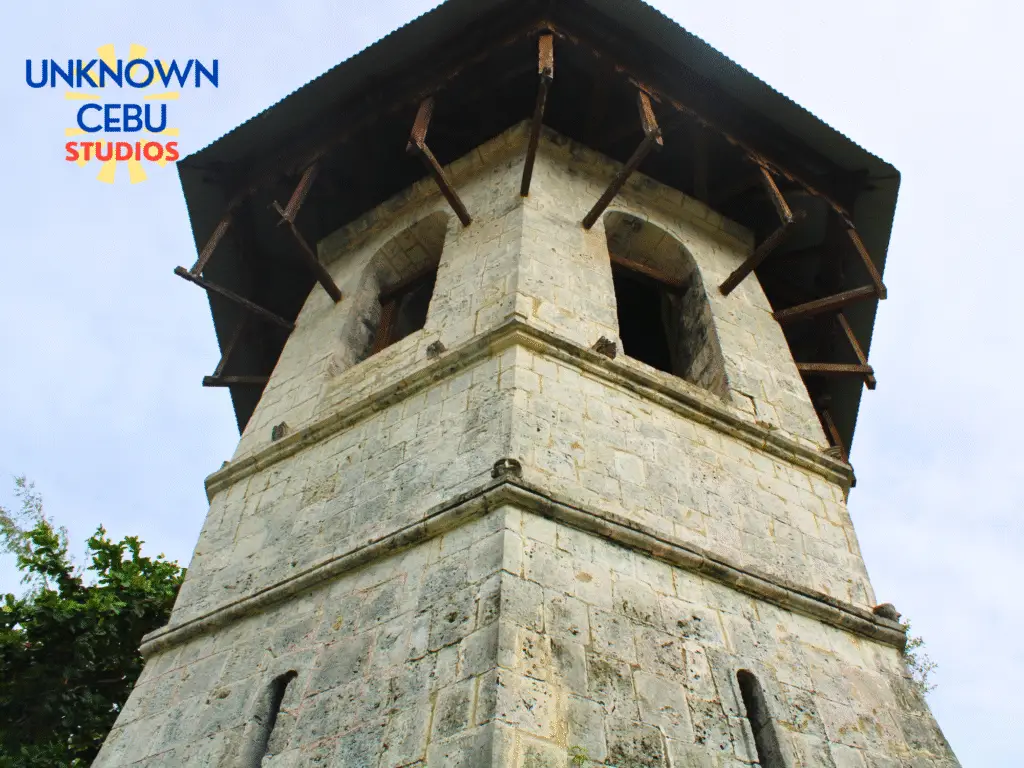
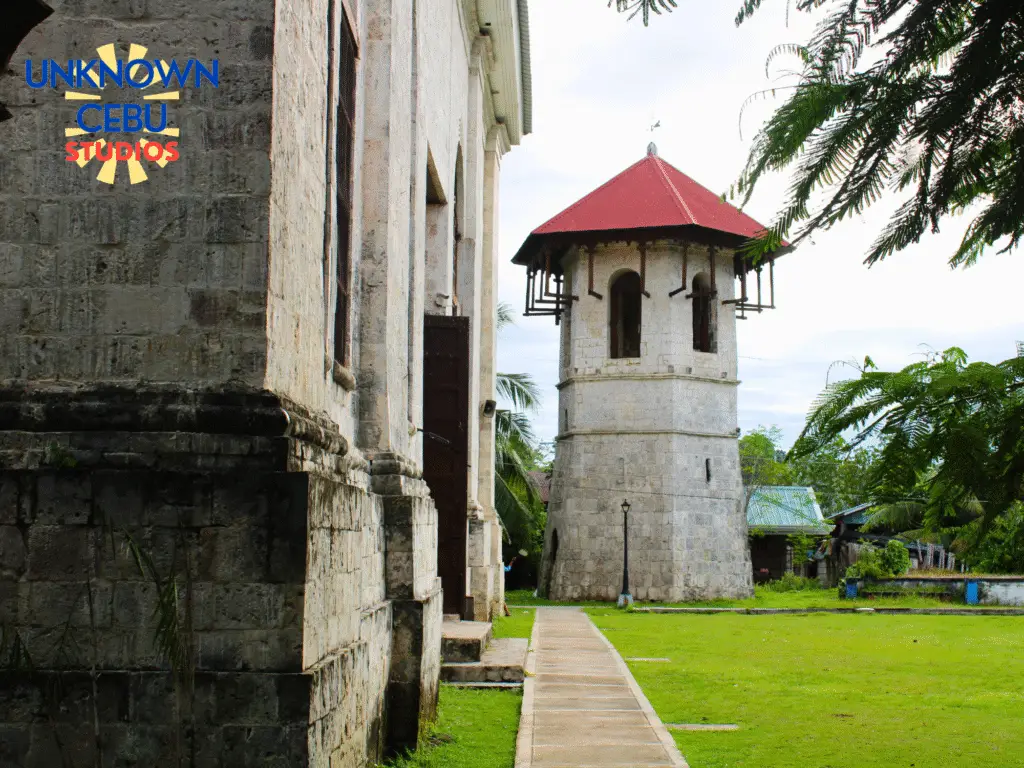
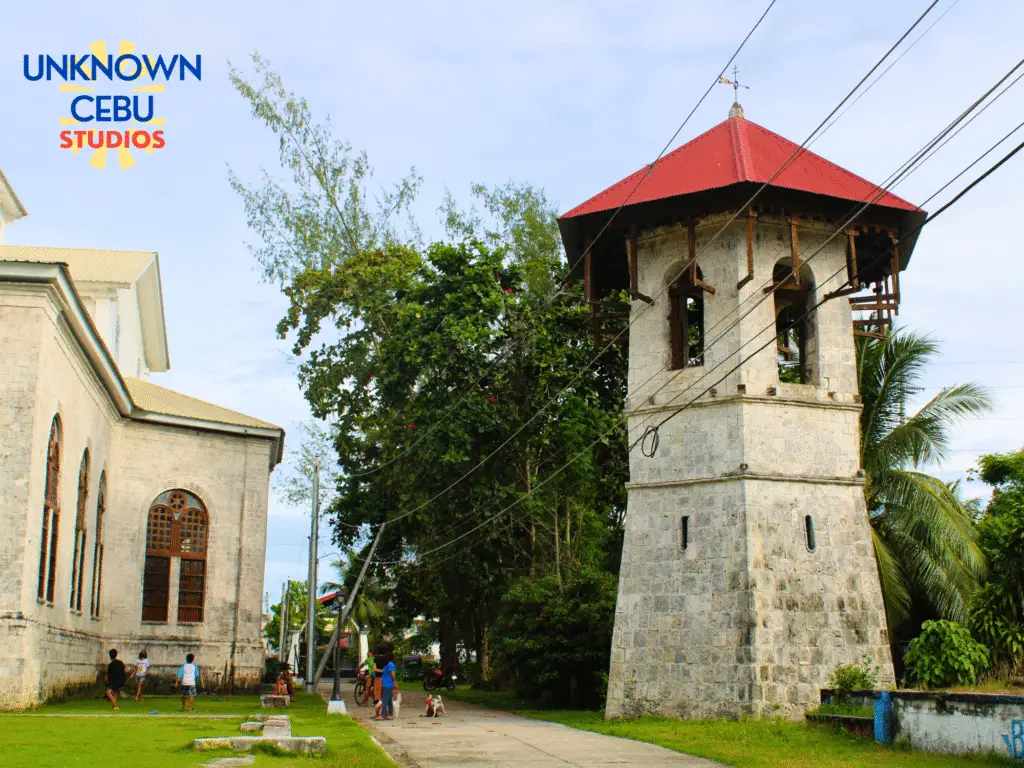
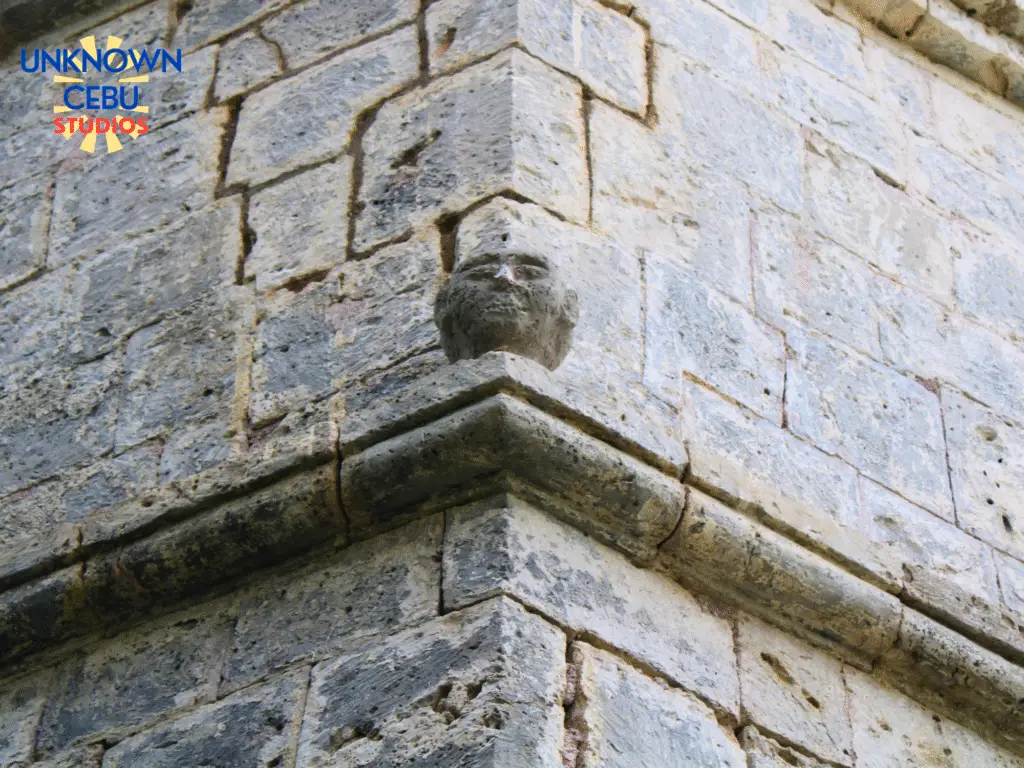
Architecturally, the watchtower is one of Bohol’s finest surviving examples of coral-stone fortifications. Its hexagonal base is unique, differing from the square or circular plans of other watchtowers in the province. The coral blocks were bound together using lime mortar made from crushed seashells, a technique common in Spanish-era construction. Interestingly, carved into the second level are several anthropomorphic heads, their faint outlines still visible today — mysterious stone faces that seem to watch over the sea, perhaps symbolic protectors or artistic flourishes added by the builders. The tower’s sloping base and narrow openings reveal its defensive purpose, while its upper levels once offered sweeping views of the strait — perfect for spotting incoming ships. Though access to the upper floors is now restricted for safety reasons, the tower remains impressively intact, a tribute to both Spanish colonial engineering and local craftsmanship.
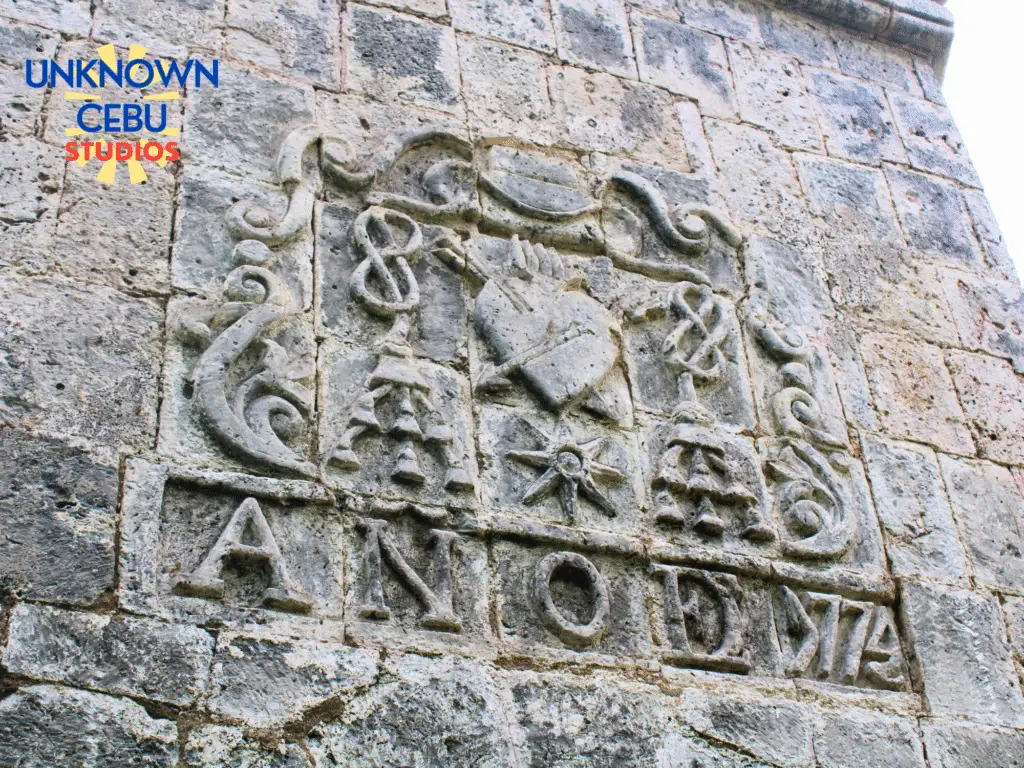
In recognition of its historical and cultural value, the Dauis Watchtower — along with five others in Bohol — was declared a National Cultural Treasure by the National Museum of the Philippines in 2011. Despite suffering minor damage from the 2013 Bohol earthquake, it has been carefully preserved and stabilized. Today, the tower stands quietly behind the church, surrounded by tropical calm, its ancient stones bathed in sunlight. For travelers and heritage enthusiasts, it offers more than just a view of the past — it offers a glimpse into a time when faith, fortitude, and community spirit stood as the true fortifications of the Filipino people.
|UnknownCebuStudios|


