This is a story of a man who gave so much to a people who loved so dearly; a man who deserves to be recognized and remembered by the people who he helped so much: James M. Cushing.
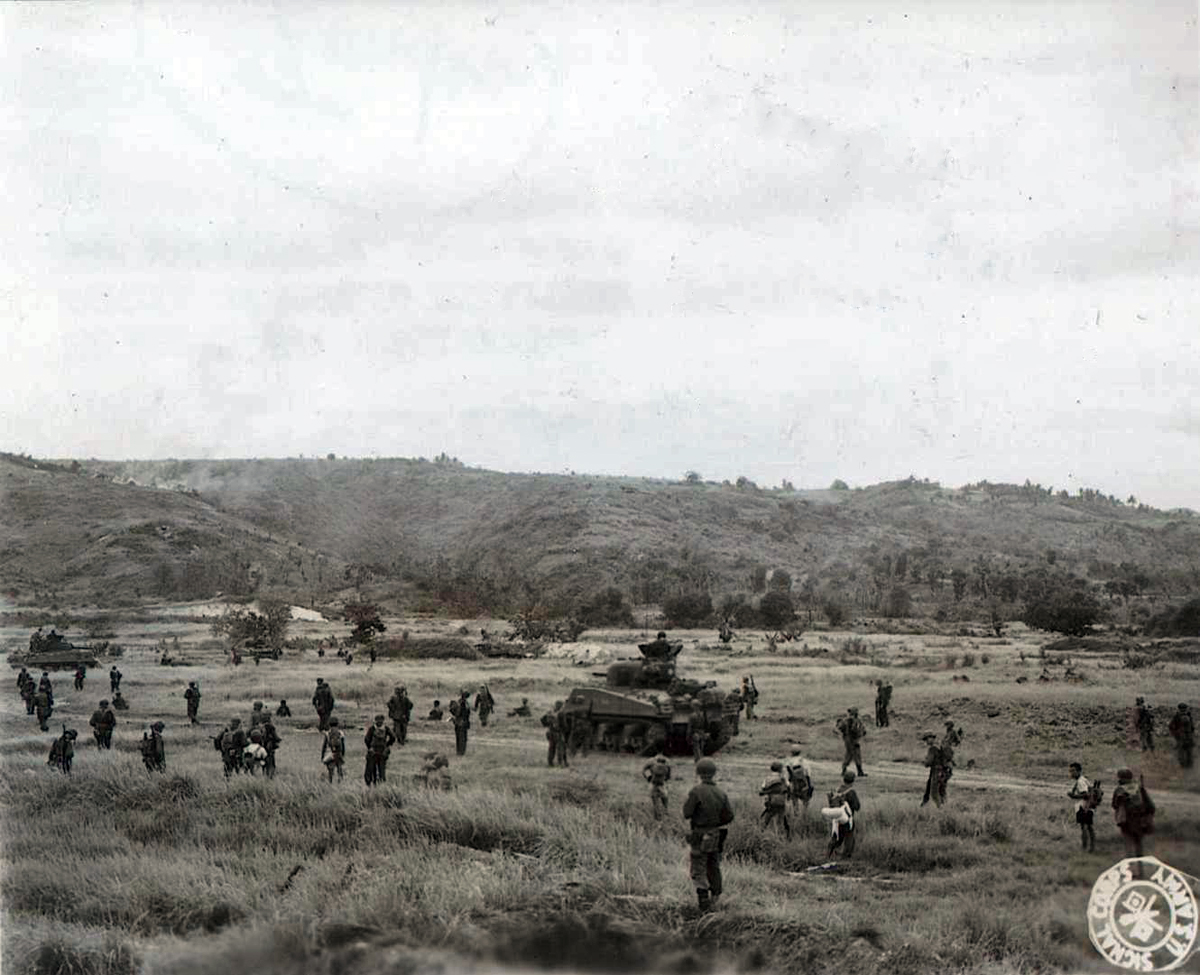
It was the 27th of May inside a cave within the vast mountains of the Cebu Cordillera. A group of Filipino and American soldiers were huddled around in a circle discussing their inevitable defeat at the hands of the Japanese forces which had landed at multiple points in Cebu a month and a half before on April 10, 1942. Their resolve had faded as most of Cebu was in Japanese hands despite fearsome resistance from the USAFFE; it was futile for them to continue some thought while others still wanted to turn to another idea that had been at the back of their minds should the worst come to pass. These men had been fighting a losing battle for more than a month; even with some success at Naga and Toledo during the opening days of the Japanese invasion, they knew that time was ticking for them to do the inevitable surrender.
The Japanese invasion of Cebu began on April 10th, 1942 with simultaneous landings at multiple points around the island. There were landings at Sibonga, Argao, Talisay and Bato, Pinamungahan which caught the defenders by surprise at the sheer overwhelming number of the invaders. Preparations were done months in advance for the invasion in the form of the construction of a headquarters along the Camps on the Talisay-Toledo road along with the construction of various solid defensive positions like bunkers and tank barriers, though the effect on the invading force was limited. The Visayas command under Brigadier General Chynoweth was beaten back further and further until the mountains were their only hope and even there he was forced to waver in his resolve.
The mountains where the last holdouts of the USAFFE were based. These photos are along the Talisay-Toledo road which was the only road to and from the headquarters of Brig. Gen. ChynowethThe mountains where the last holdouts of the USAFFE were based. These photos are along the Talisay-Toledo road which was the only road to and from the headquarters of Brig. Gen. Chynoweth
The men inside “Dalid Cave,” somewhere in the mountains of Central Cebu, had fought for long enough. On the morning of May 27th, the men in the cave, according to the book Tabunan: The Untold Exploits of the Famed Cebu Guerrillas, received a letter brought by a messenger to surrender. After much deliberation, many of the men willingly walked down from the mountains to present themselves to the waiting Japanese occupying Camp X; however, there were some who did not surrender and some who said that they would fight once more. These were some of the last holdouts, as most USAFFE men surrendered on May 13th. This event marked the total end of resistance towards the invasion, but it would spur what would be known as one of the most successful Guerrilla fighting organizations in the entirety of the Philippines. One man among those who chose not to surrender was a plucky mining engineer with the United States Army, Lt. Col. James McCloud Cushing.
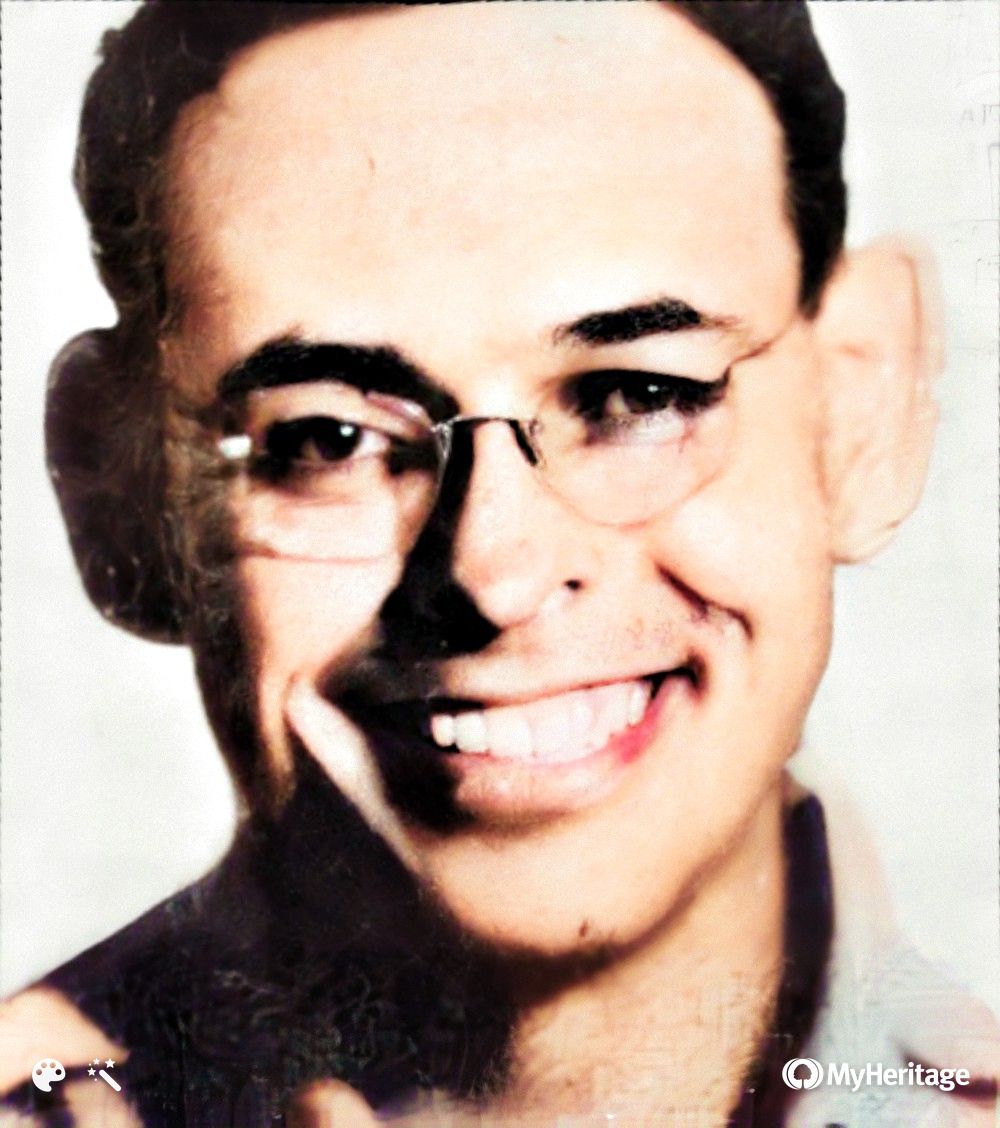
Lieutenant Colonel James M. Cushing, a photo taken before the war.
James M. Cushing was born at Guadalajara, Mexico, about 1910 then moving to El Paso, Texas soon after. He came to Cebu as a mining engineer with the United States army together with his brother, in this endeavor, James did not have much success. Walter Cushing was given an assignment in Luzon so the two were separated during the initial invasion of Cebu. Walter Cushing was also a mining engineer where later in the war, he too would command guerrillas in his own section of Luzon. That is to say that these two brothers were both military leaders that came from humble beginnings.
Following the invasion of Cebu and subsequent surrender more than a month later by his superior officers, Colonel James M. Cushing was one of the many USAFFE members who refused to follow the order to surrender to the Japanese, probably out of fear of imprisonment or execution. These fears were not unfounded, as individual Japanese soldiers took it upon themselves to individually beat prisoners of war who were not being cooperative or, even worse, subject them to torture. The situation was chaotic, as there were those who picked themselves up from their posts and left without another word, and there were those who immediately took up arms. Col. Cushing was one of the men who took up arms and gathered a support base in Cebu following the aftermath of the surrender. A base of operations was eventually established in Tabunan, Cebu, right in the heart of the island. Springs flowed out of the mountainside, and forest cover characterized the stronghold that was Tabunan. From this base, he would become the commanding officer for Combat Operations for the guerrilla force in Cebu.
James M. Cushing was a tall man in his late thirties with a mild disposition and engaging manner”
Col. Manuel F. Segura, Tabunan
Colonel Cushing’s actions during the invasion of Cebu would actually begin right before the landing of Japanese forces. Together with other engineers of the USAFFE, they demolished large sections of vital infrastructure in the city either by setting fire to them or using explosives. This was to prevent them from falling into enemy hands and being used to their advantage. They demolished bridges, railway lines, and other essential infrastructure that could speed up the progress of the invasion. It is quite possible that this action gave the USAFFE valuable time to mount a better defense, with the Japanese being unable to use communication or highway infrastructure. From this point on, he retreated into the mountains and began gathering a support base. From this point, the dual command structure would emerge.
Colonel James Cushing was not alone in his command of the Cebu guerrillas; in fact, a dual command was established to make the best use of the abilities of two individuals. Who is this second individual? It was Major Harry Fenton, who had previously been working as the radio station manager of KZRC, which was located inside the Gotiaoco building beside the city hall. Major Fenton’s furious propaganda against the coming Japanese empire turned him into a prime target when the invasion of Cebu came. The KZRC radio station was the last in Cebu on air, which earned commendation from General Douglas McArthur for preserving the voice of freedom. The identity of this rough-shod officer from Chicago is still somewhat shrouded in mystery, as though the name he used for the majority of his time in the Cebu Area Command was Harry Fenton, his true name was in fact Aaron Feinstein. These two would be the commanders of the entire Cebu guerrilla organization for about half of its lifespan. Major Harry Fenton would handle the administrative day-to-day operations of the organization, while Major Cushing would handle the combat operations. This was seen as a positive set of circumstances all around, as some feared that having a Filipino as the head would cause heavy infighting. The following short stories are just some of the many achievements and adventures he had during his stint as Guerrilla commander.
The Z Plan: On April 1, 1944, a plane crashed off the coast of Barrio Bas, Perrelos, and Carcar. Among the passengers of the doomed plane was one of the highest-ranking officers of the Imperial Japanese Navy, Marshal Admiral Mineichi Koga. The admiral had passed away as the plane crashed, but there was something else in the water that caught the attention of those who had noticed the fireball coming down from the sky: boxes full of documents. These documents turned out to be the so-called “Z-Plan” of the Japanese navy, containing plans for the defense of the Philippines and beyond; these were highly classified and top-secret. Colonel Cushing would personally play the role of a prisoner of war exchange, as among the survivors was a vice Admiral who the guerrillas had captured, Vice Admiral Fukudome. Upon realizing that a higher-ranking officer such as Vice Admiral Fukudome was in the hands of the Cebu Guerrillas, an attempt at negotiation not withstanding, Japanese soldiers began mercilessly rounding up and killing civilians in order to force Colonel James Cushing to give the prisoner in exchange for the guarantee that reprisals against civilians would halt.
Admiral Mineichi Koga, successor of Admiral Isoroku Yamamamoto. He died during the Crash.Vice Admiral Shgeru Fukudome. Another higher ranking officer, taken into guerrilla custody and traded in exchange for Cebuano Lives.
An agreement was reached between the Guerrillas and the Japanese that Vice Admiral Fukudome would be returned to the Japanese in exchange for a guarantee of no more reprisals towards innocent civilians. Little did the Japanese know that Colonel Cushing had already sent the boxes of documents to Australia for translation through two Submarines, namely the USS Nautilus and USS Crevalle which later delivered them to Australia. This later led to good intelligence on the Japanese fleet composition and movements during the The capture of these documents are considered one of the most important moments for the war in the Pacific. Despite direct orders from the SWPA to keep the prisoners in the custody of the guerrillas; James Cushing risked his career to save Cebuano civilians. For this disobedience of direct orders, he was demoted from the position of Lieutenant Colonel to Private; however he was reinstated later after light had been shed on the full circumstances of his situation.
The Sun, April 1945Karlgoolie Miner, April 1945Daily Mercury, April 1945The Capture of high ranking officers of the Japanese Navy was a notable news story. From: Cairns Post, 1945
The Fall of Tabunan: Tabunan was located in the central Cebu highlands, well concealed and well protected, but this did not mean it was impregnable. In March 1943, a Japanese expeditionary force began to penetrate into the interiors of the Cebu highlands in five columns, in five directions. Colonel Cushing ordered a mass evacuation and retreat and that all units were to become mobile for the time being. He, along with other guerrillas were on the run for some three days; during those three days he did not eat a single thing. He evacuated with his wife down the trails and steep cliffs until they got to safety. This was one of the first major defeats of the organization, but for this the Japanese did pay at the battles of Malubog and Babag where guerrilla forces managed over a thousand Japanese casualties combined for both battles. Constant guerrilla victories and ambushes of Japanese troops would lead to reprisals directed towards civilians.
The Sun, June 1942From the Tribune, July 1942From the Queensland Times
Reaching Out To Other Guerrilas: Being the commander of combat operations for the Guerrilla forces in Cebu it was the responsibility of Colonel Cushing to oversee the well being of the entire force and it in early 1943, it was not doing very well. Rations and ammunition were slowly, but surely running low with no more shipments coming in from the outside. This situation necessitated the need to make in roads with the other Guerrilla organizations in the Philippines. Colonel Cushing, after much thought and consultation with his command staff decided to cross the Tañon strait to Negros island to make contact with the guerrilla force over there under the command of Major Jesus Villamor, a decorated pilot and now officer. He chose some of the men who knew the area and Villamor the best and rode off crossing the mountains disguised as a priest. Soon, after suffering a leg infection and having to travel for many kilometers, he and his men made contact with Villamor and had a productive chat. This talk would lead to the partial recognition of the Cebu command as a legitimate guerrilla organization and not a rag tag team of ‘bandits’ as the Japanese had been referring to them. The first message that the SWPA or the South West Pacific Area Command had for Cebu was this message from General McArthur.
A map showing the commanders and districts of the guerrilla forces of the Visayas.
Please extend to the loyal and patriotic people of Cebu my most cordial greetings and grateful acknowledgement of their magnificent resistance to Japanese occupation…”
-General Douglas MacArthur, 1943
Problems of a Dual Command: Power inside the organization was split between Harry Fenton and James Cushing during about half of the history of the Cebu guerrillas, but this caused some friction to develop between them. The two, after working together for several months, had noticed key issues of command that needed to be addressed. Other than the disagreements in command, there was a simple contrast in personalities, with Colonel Cushing being a reserved individual and Harry Fenton being a loud and proud one who was not afraid to serve his own interests, forming a corps of men who were closer to him than anyone else in the guerrilla organization. Fenton had gained the reputation of being a ruthless, bloodthirsty man whose executions had gone far out of proportion. It was found that he had in his possession a list of some 400 names that he wanted to be captured and face execution for whatever reason. Public opinion had turned against him, and soon enough, he became more of a liability than an asset. Among the group that Fenton had was Ramon Durano Sr., a political figure in Danao during the post-war decades.
A series of some events would cause Harry Fenton to become more and more skeptical to the point of borderline paranoia, not out of irrational fear but due to threats or perceived threats to him and his family that were seemingly prevalent wherever he was. This caused him to split from the main body of the organization for a while. Harry Fenton was with some bodyguards somewhere in Sogod, northern Cebu, inside a cave; he was arrested soon after. Then, on September 16, 1943, Major Harry Fenton, tried and accused of violating the Articles of War, was executed by firing squad, bringing an end to the conflict. This was a necessary action, though some may have seen it as a step towards being a power monger; the actions of Harry Fenton were simply beyond saving.
These are just some of the various different contributions that have been delved into in slight detail here. Colonel Cushing was an active fighter in many battles for the organization that mostly ended in overwhelming success. He participated with distinction and with such outstanding men that Cebu was widely considered one of the most effective guerrilla organizations and boasted some of the highest kill counts among Japanese soldiers. Until the end of the liberation of Cebu in 1945, Lt. Col. James M. Cushing was still in total command of the CAC, or Cebu Area Command, which had been given official recognition on January 22, 1944, with a telegraph once again by General McArthur acknowledging its legitimacy for the final time. His sacrifice extended not only to himself but also to his family. His brother in Luzon, Walter Cushing, was killed after being ambushed by Japanese forces; he died fighting so valiantly that the Japanese gave him a burial with full honors. He was widely respected, even among the Japanese soldiers who went up against him, winning admiration all around. Here are some commendations, both official and unofficial, for him and his guerrilla forces, the most notable being a Distinguished Service Cross.
Lieutenant Colonel Cushing’s intrepid actions, personal bravery and zealous devotion to duty exemplify the highest traditions of the military forces of the United States and reflect great credit upon himself, his unit, and the United States Army. -DSC Citation, 1945
Col. Cushing’s Division is one of the finest Philippine army divisions that I have ever seen. It is conclusive proof of the fact that the Filipino people can do a job well when they set their mind and heart to it. -Lt. General William H. Arnold, 1945
With profound satisfaction I have noted the gallant struggle of the officers and men under your leadership who, refusing to surrender, have sustained a resolute and determined resistance against superior enemy forces on the island of Cebu. Desiring to recognize that resistance and give it such support as is now within my power, I have created the Cebu Area Command and have appointed you as the commander. -General Douglas McArthur, 1944
The story of this hero would end on both in a somber, yet seminal note… After World War 2 he returned to service until 1949, but the retired Colonel would continue his pursuit of business ventures in the field that he had before the war, prospector for prospective mining operations; in 1963 his ventures brought him to mining in Palawan. In this he was not very successful with him not achieving the fortune that he had always hoped for in the Philippines; fading back into obscurity. Then one day, August 26, 1963, as he was aboard a ship named the MS Diana bound for Palawan from Manila, he suffered a heart attack and passed away soon after. His wife of many years, reported that his dying wish was to be buried in the ‘Libingan ng mga Bayani’ instead of an American cemetery and so the wish was granted. Sadly, he died without a dollar nor peso to his name and was even buried while wearing a suit donated by American friends.
I express my deep regret at his passing. I cannot find the proper words to express condolence because I’m surprised by his sudden death
Sources: Segura, M. F. (2018b). Tabunan: The Untold Exploits of the Famed Cebu Guerillas in World War II. Sources: Mojares, R. B. (2015d). The war in Cebu. Sources: Segura, M.F. (1992) The Koga Papers Sources: “Death: Col. James Cushing”. Stars and Stripes; Pacific Edition. 30 August 1963. p. 4. Sources:https://etd.ohiolink.edu/apexprod/rws_etd/send_file/send%3Faccession%3Dosu1552026873539029%26disposition%3Dinline&ved=2ahUKEwi60Y7vg_H1AhVCJ0QIHTgMBk04HhAWegQIAhAB&usg=AOvVaw3kpQy_D6nEoZ27zRl8TmpN Sources:https://www.tracesofwar.com/persons/73312/Cushing-James-M.htm


Cebu’s radio commentator Harry Fenton is alias ”Andoy Palaboy” on the airwaves