Sialo (now Carcar) it was later placed under the care of the Parish of Boljoon in 1690. The church, finished in 1847 after 17 years of hard work by the People of Oslob. It is under the patronage of the Immaculada Concepcion. Yoast SEO keyphrase is “Oslob Church History” add 2
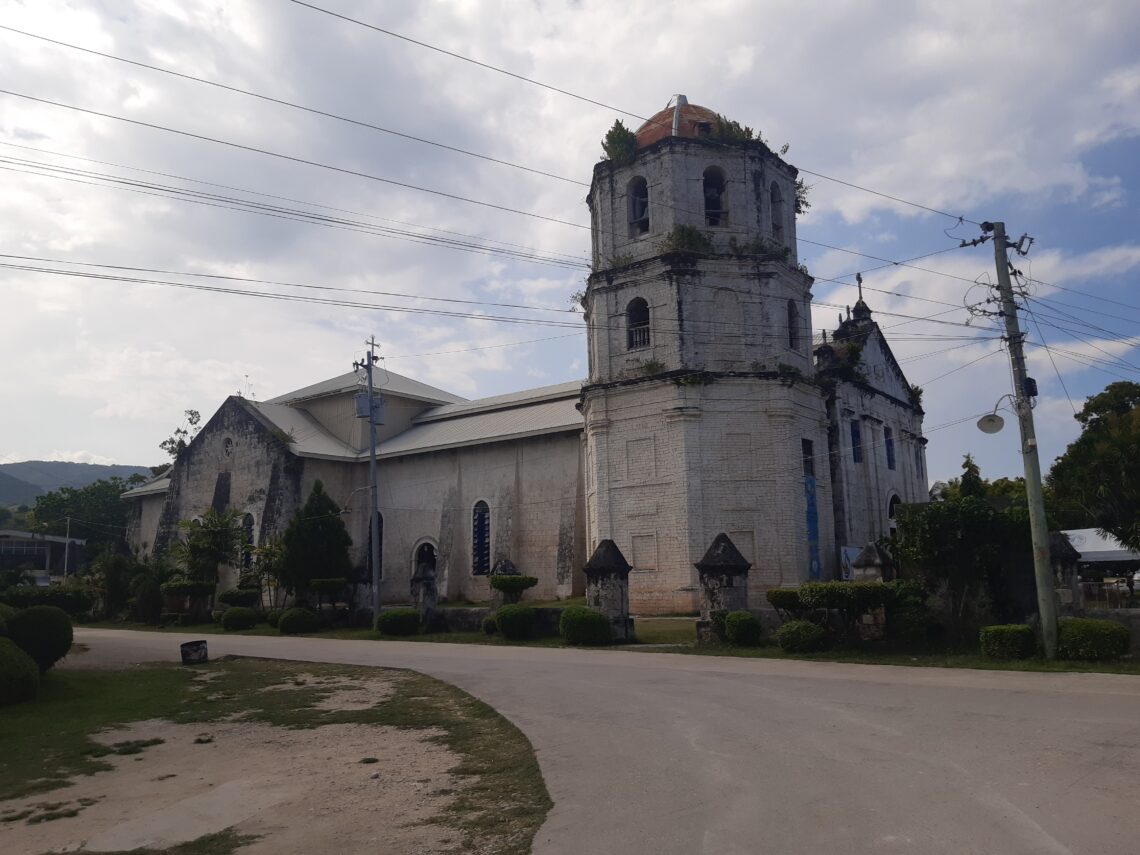
Coming from Nueva Caceres, we reach the Poblacion of Oslob. The first activity you should do is visit the heritage church. Originally a visita of Sialo (now Carcar), it was later placed under the care of the Parish of Boljoon in 1690. The church, completed in 1847 after 17 years of hard work by the people of Oslob, stands as one of the most beautiful examples of Spanish colonial architecture in southern Cebu. It is under the patronage of the Immaculada Concepcion.
The structure, built of coral stone and lime, is a key landmark in Oslob Church History, representing both faith and resilience through the centuries. Its construction reflected the dedication of the local townspeople, who carried materials from the sea and nearby quarries to bring the grand edifice to life. Within its walls, generations of Oslobanons have celebrated baptisms, weddings, and fiestas, making it a living monument to the town’s deep spiritual roots.
Today, Oslob Church History continues to captivate visitors, not only for its religious significance but also for its role in shaping the cultural identity of southern Cebu. The church’s baroque façade, bell tower, and seaside location create an atmosphere of timeless reverence, reminding everyone who visits of the faith and endurance that built it.
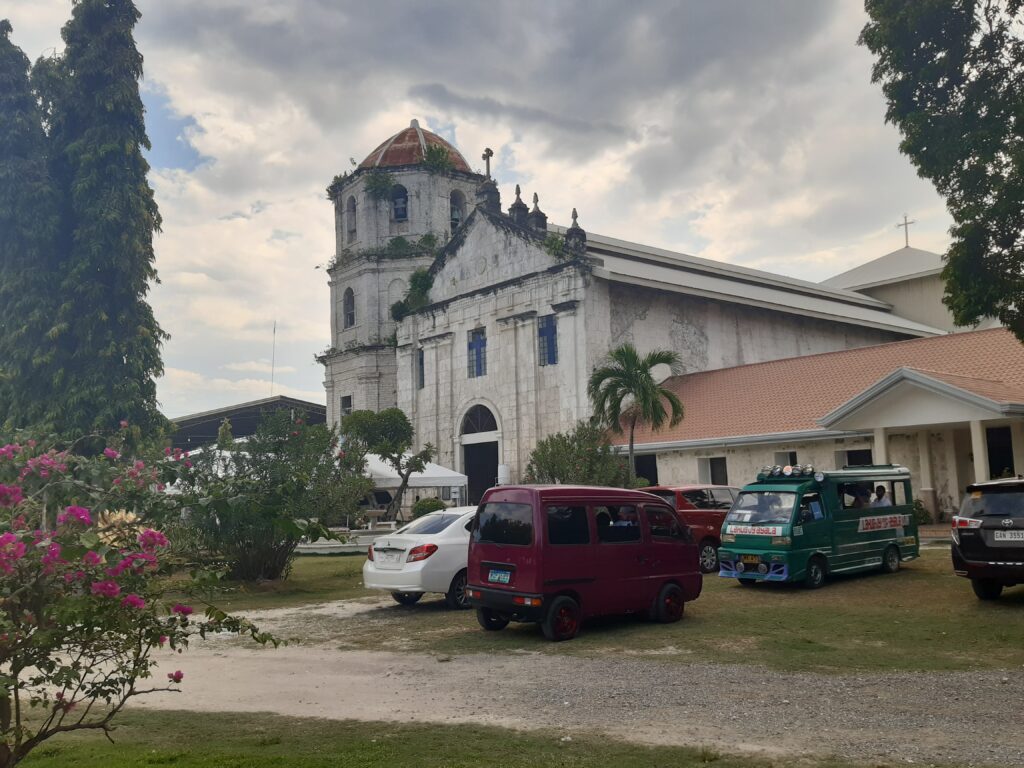
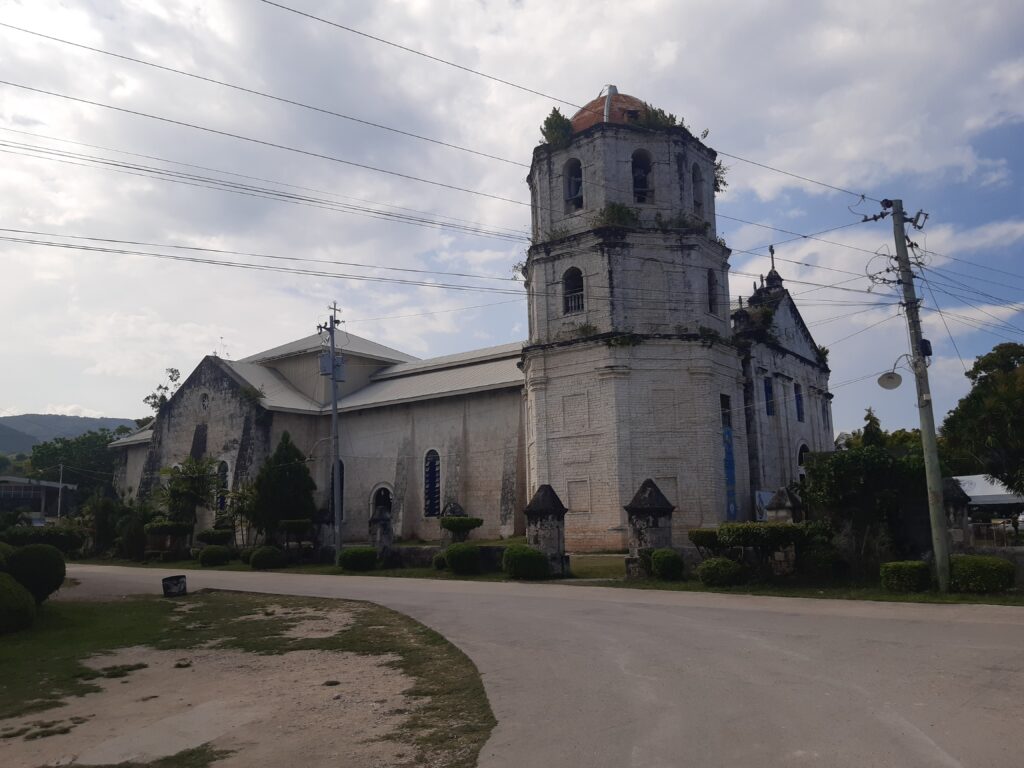
Though the labor was provided by the native Filipino’s and most likely some chinese artisans, the church is notable in that it was constructed with the help and support of the Spanish crown. This is evidenced by a relief of the Spanish monarch’s seal. The architect of this church has been noted as been Bishop Santos Marañon, the same architect who designed the facade of the Cathedral in Cebu City. The facade is simple and unlike other churches in Cebu the facade is not divided into floors but instead it is one cohesive structure with pilasters and square windows. The belltower is a 3 tier octagonal structure with several arched windows. Inside the belltower are eleven bells most of which are intact but some have unfortunately cracked or have been lost or stolen.
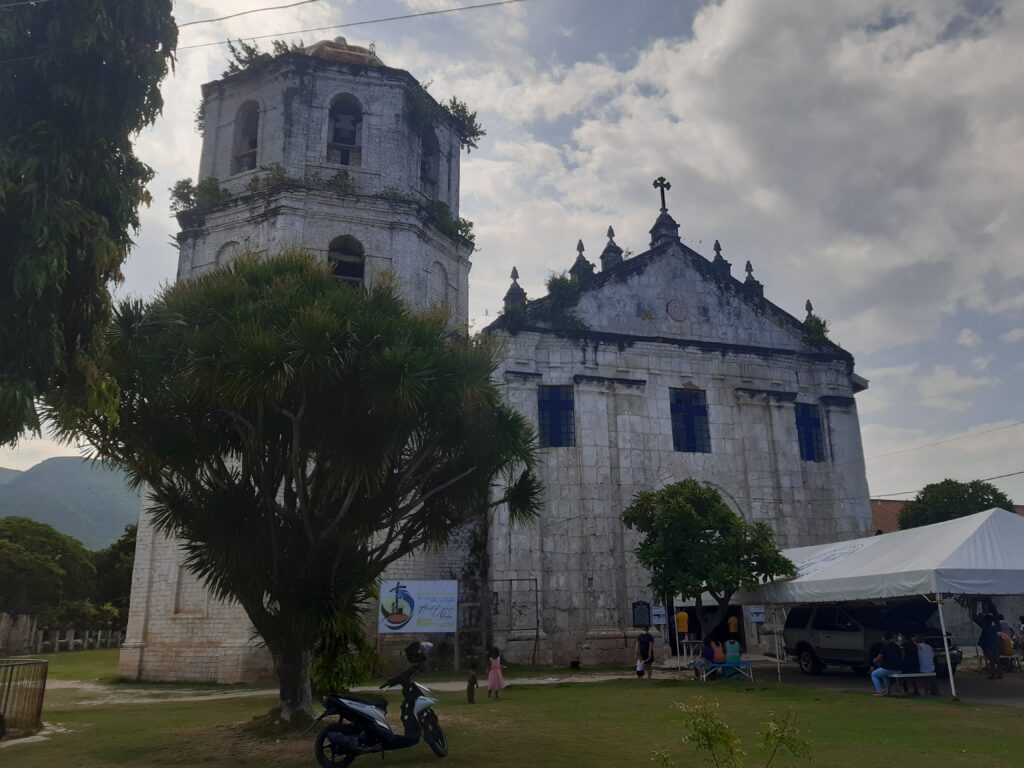
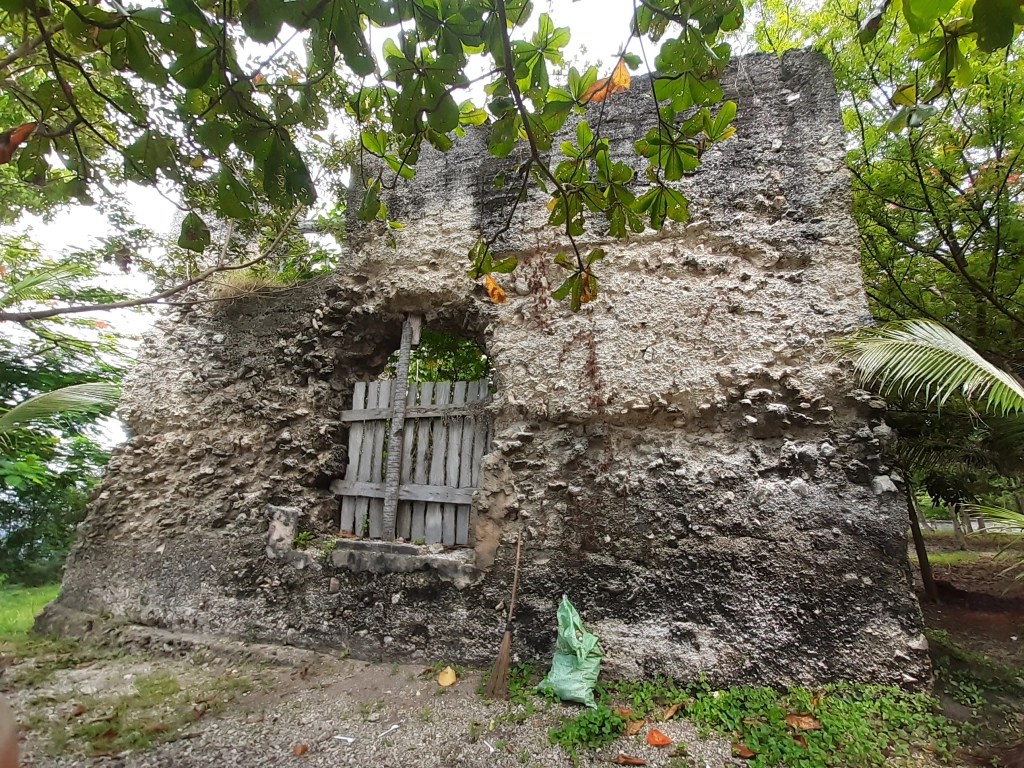
The church, Primarily made of fine cut coral stone harvested from the sea right infront of the plaza. Also part of the church materials are wooden planks most likely from neighboring islands. Its first parish priest who was assigned to Oslob after becoming a parish in 1848 was Fr. Juan De Aragones who would be the administrator of the church for 6 years. This church and its convent have been through 2 fires throughout its history. The first fire occured in 1955 due to a generator malfunction. The second occuring in 2008 due to faulty wiring in the convent. (Will be posting the remnants of the convent soon)
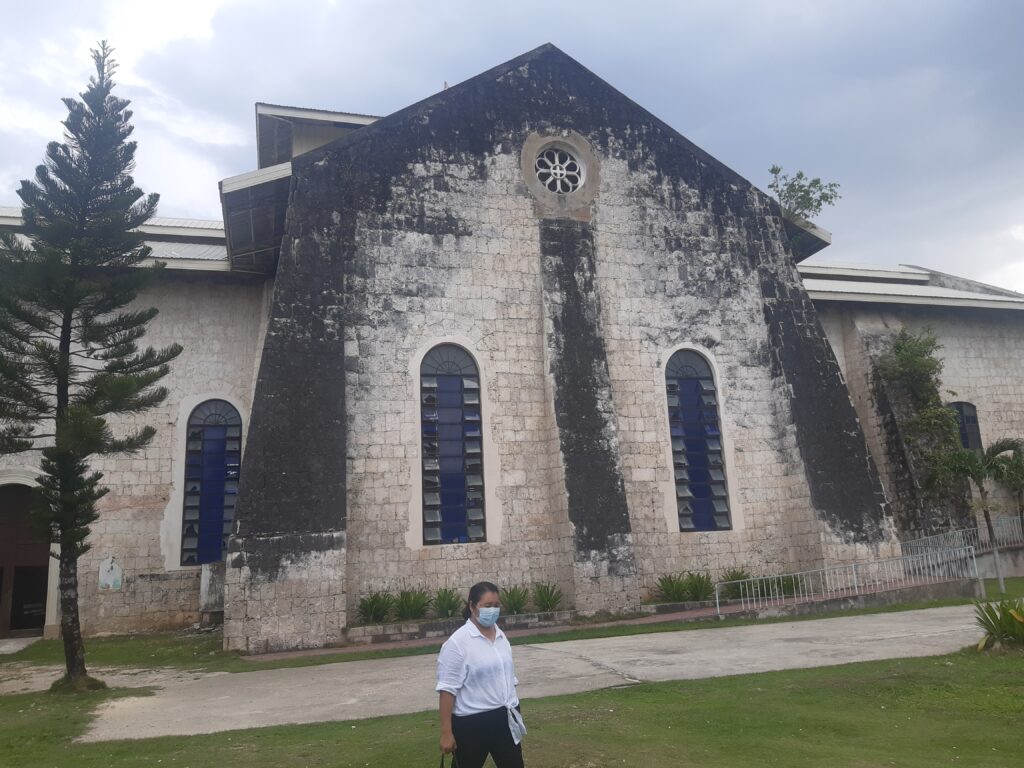
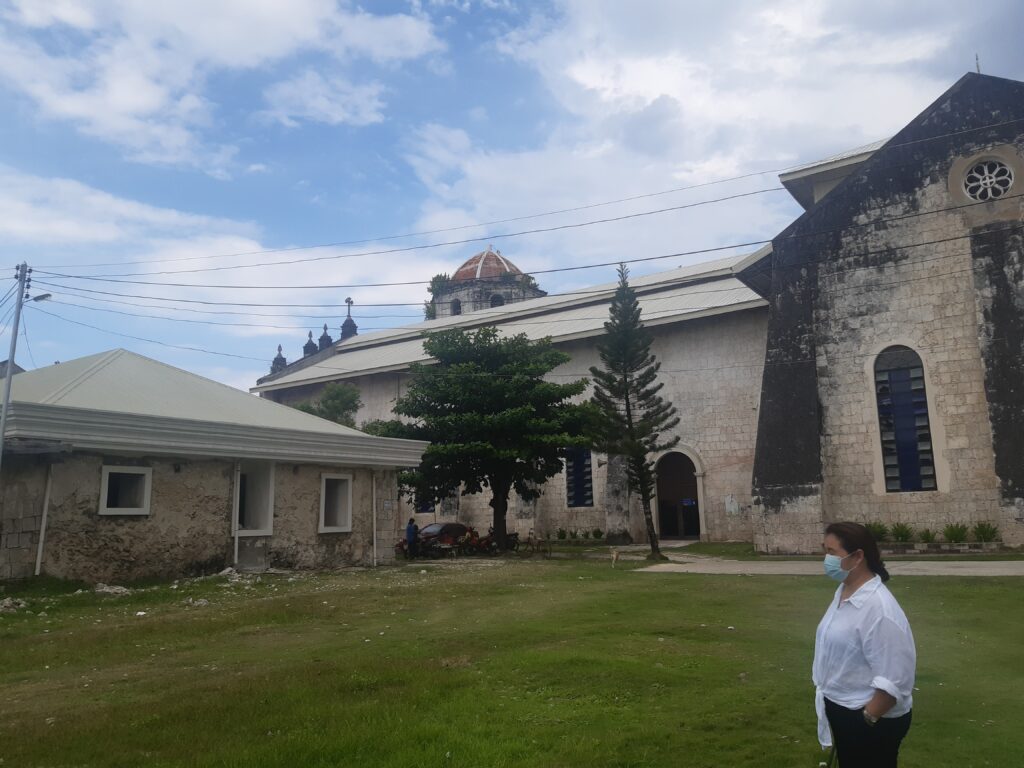
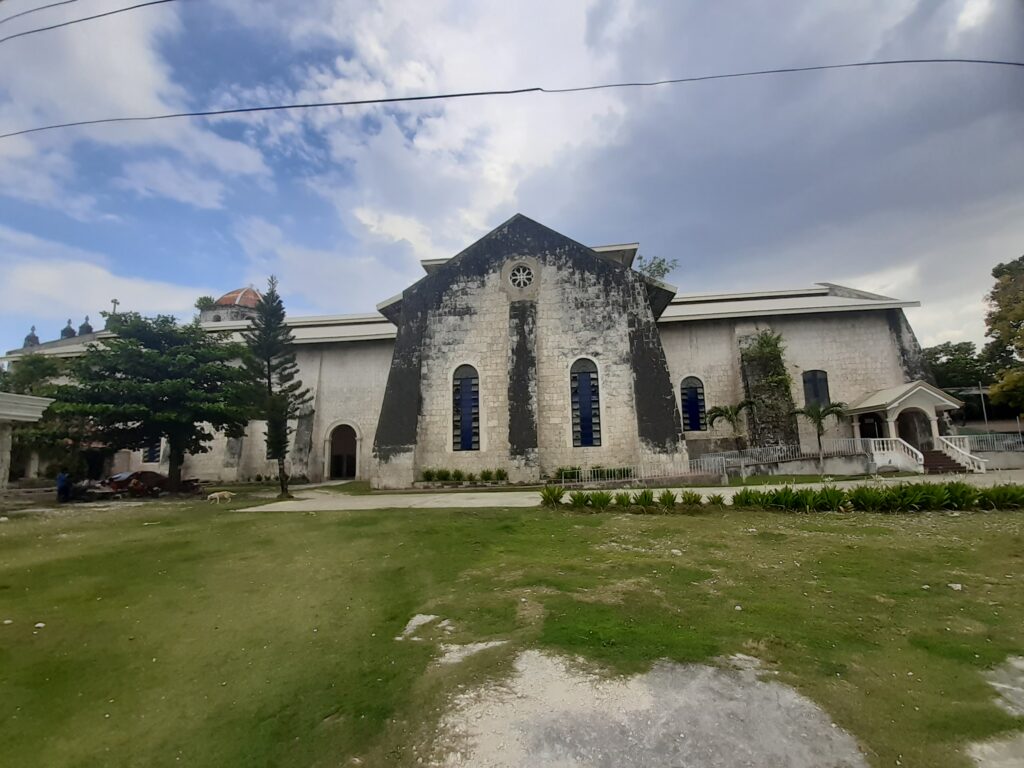
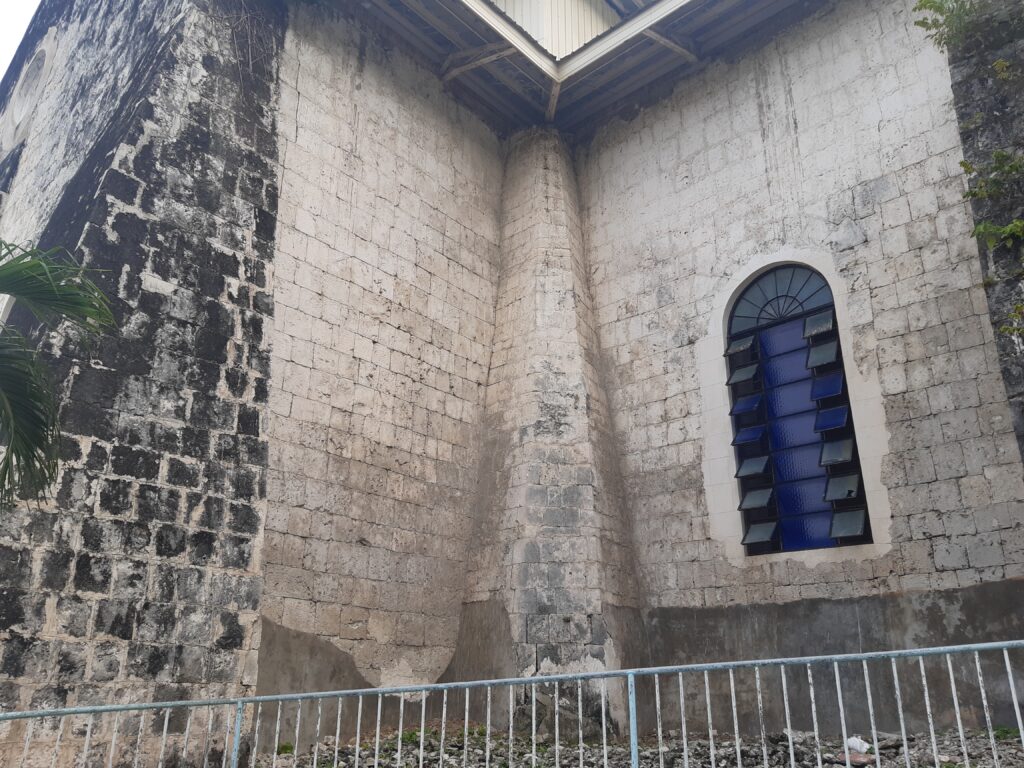
The sides of the church are supported and reinforced by several thick coral stone butresses which serve to stabilize the church and resist movement during an Earthquake. The church compound has several heritage structures including the walls surrounding the compound and the Capilla mortuario. These will be covered in a different post.
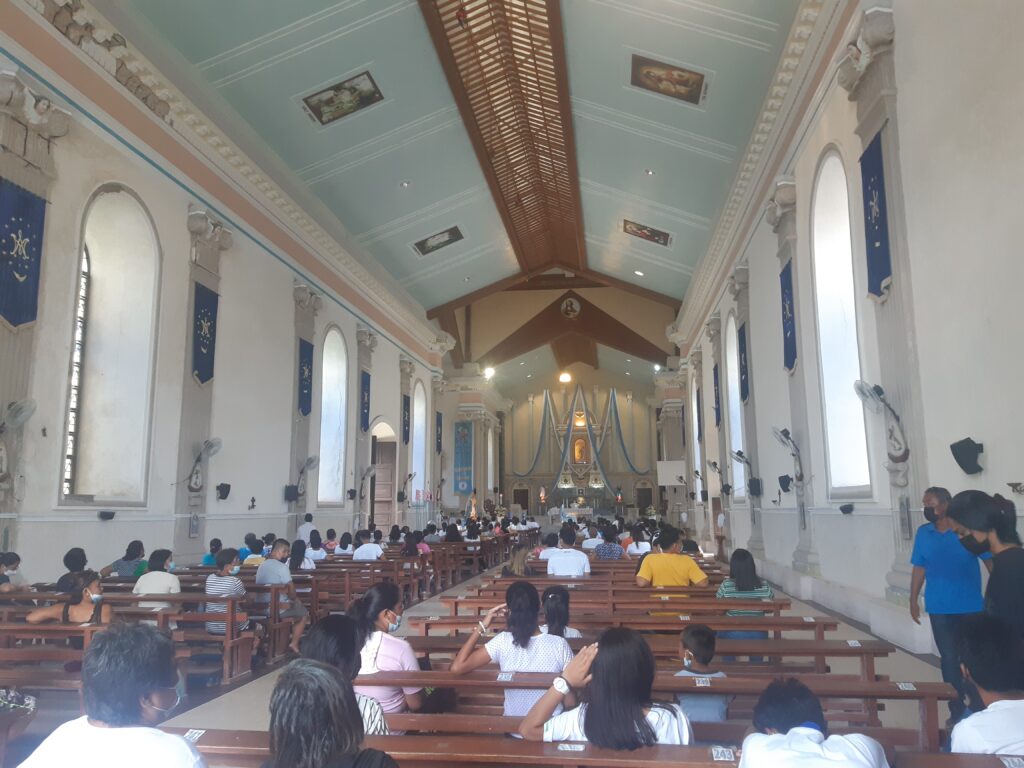
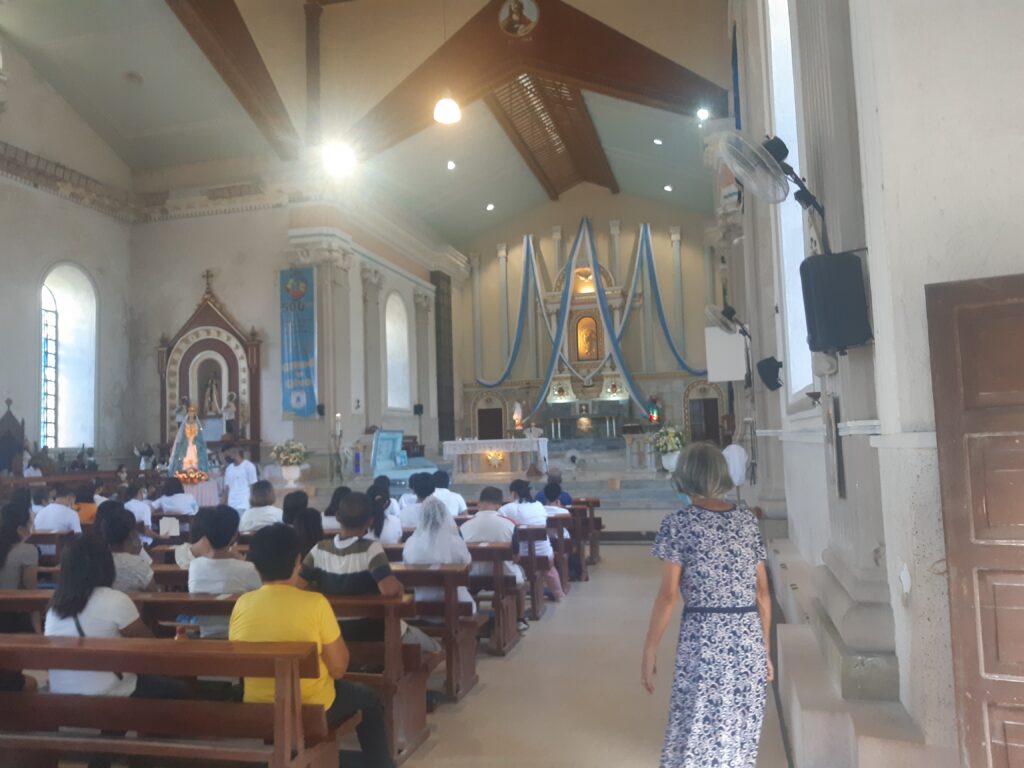
The inside of the church has been lost to the fires of 1955 and 2008. The retablo and side retablos fortunately have been restored. The roof of the church has been reconstructed after the fire and now takes a triangular shape through the nave.
Thank you for reading. Thanks to Landel for help in many regards