
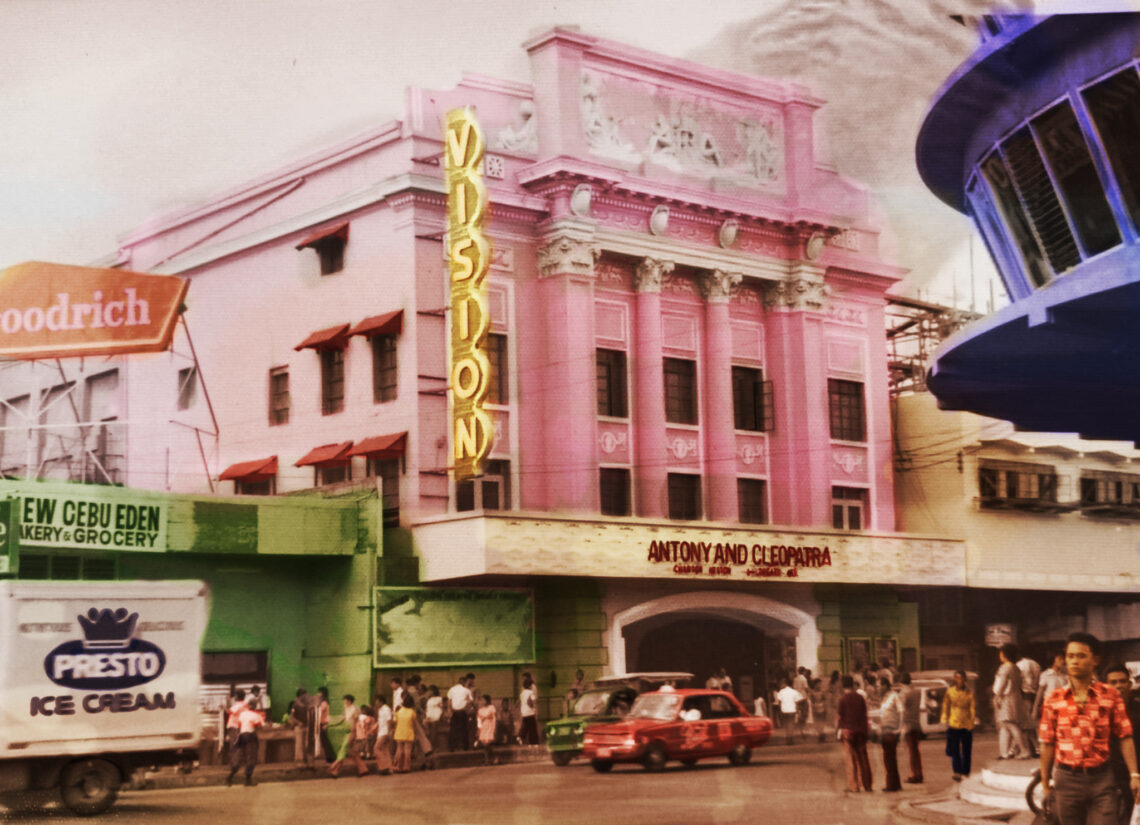
Cebu City is the oldest city in the Philippines being established in 1565 first being known as Ciudad del Santísimo Nombre de Jesús then in 1937 it was declared as a city. The city has and always has been a center for trade and one of the most historically significant areas in the Philippines from Magellan planting his cross to World War 2 the city has seen its own deal of construction and destruction.
After the Philippines was ceded to the United States as a consequence of the Spanish–American War in 1898, the architecture of the Philippines was dominated by American aesthetics.The American colonial period for Cebu city introduced a new architectural styles from classical to modernist. The architecture of the age reflected the American occupation. In this period, the plan for the modern City of Cebu was designed, with many neoclassical architecture and art deco buildings by famous American and Filipino architects. During World War II , large portions of Pari-An and Cebu city were destroyed. Many heritage districts in the provinces were burned down by the Japanese before the end of the war. In the reconstruction period after the Second World War, many of the destroyed buildings were rebuilt, however, a majority of heritage structures, especially in the provinces, were lost and never rebuilt. Most of the structures that were lost are considered a focal properties of former heritage towns.
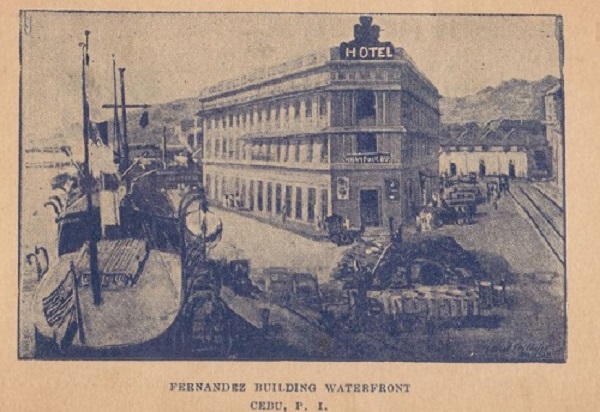
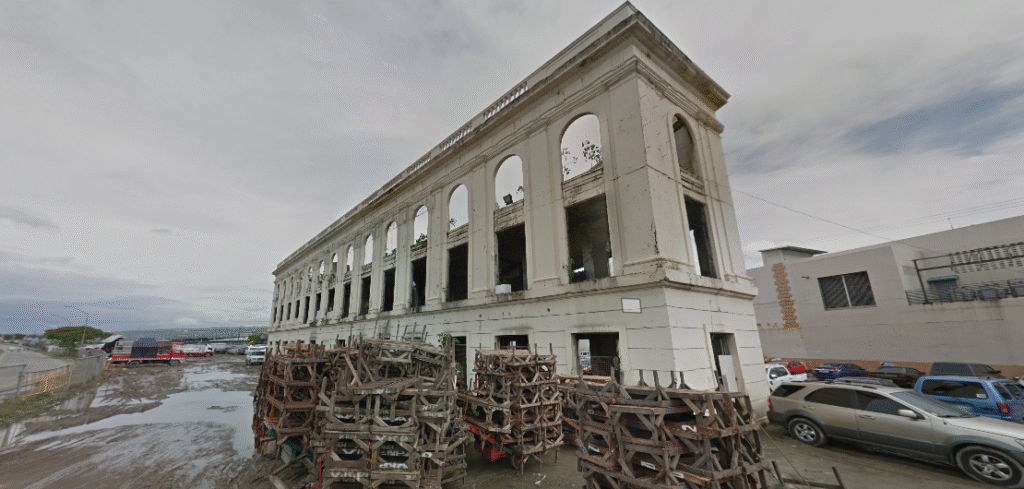
The Compania Maritima building is one of the most obvious heritage buildings in Cebu city as when coming from the south the SRP (South Road Properties) Road leads to this structure. It is one of the few Neoclassical heritage building’s located in Cebu city it’s exact location is along the South Road that was built in 1910. It was one of the first buildings constructed in the city’s port area, and was known by different names throughout its history: Fernando Building and Shamrock Hotel before the war, and currently, Compania Maritima. Even when it was heavily damaged in World War 2 it survived and exists today even if as a ruin.
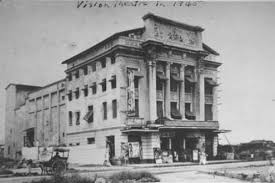
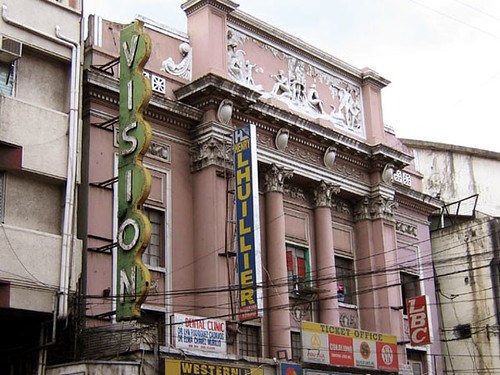
Vision theater in Colon Street in Cebu was one of the few luxuries of American period Cebu, it displayed plays, musicals and very rarely some silent films. The design of the theater is Neo-Classical with columns and a elegant facade. Before World War II, an Italian expatriate, sculptor, and professor came to Cebu and decided to open a studio in the corners of Mabini Street and Colon. The building is a neoclassical-inspired movie theater in 1930 and began teaching ancient Roman and Greek sculpture. Vision Theater became one of the few structures that stood the test of time after the World War II bombings. It became a popular movie theater in Colon that showed the latest movies. It was also one of the earliest cinemas which were air-conditioned and brought success and more guests to the movie house.
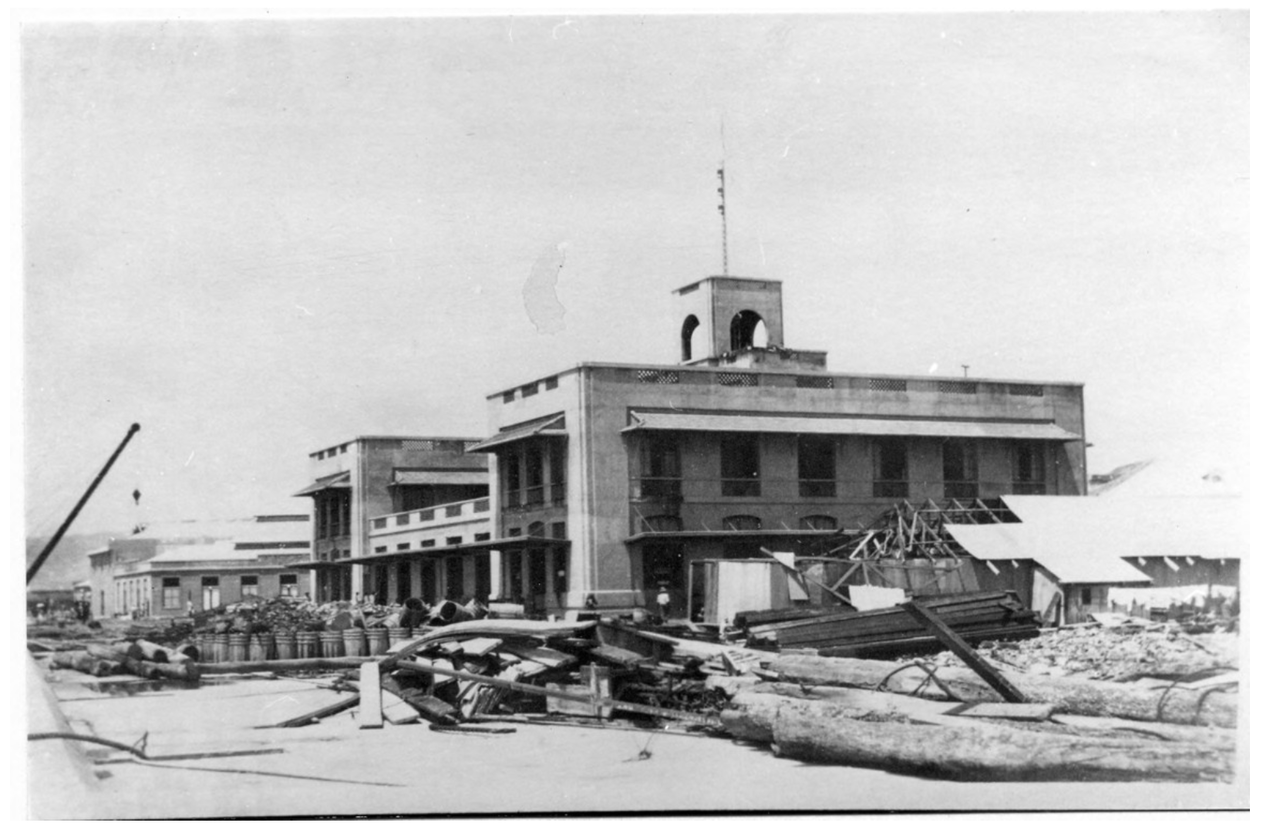
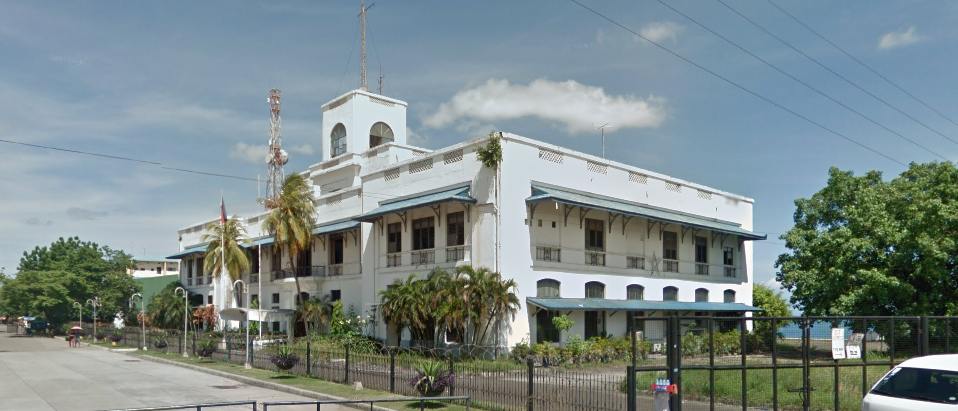
The Cebu Customs house or Malacanan sa Sugbo was the official residence of the President of the Philippines in the Visayas. It is located in Cebu City near the Port Area and Fort San Pedro, and within walking distance from the Basilica Minore del Santo Nino and City Hall. It is named after Malacanan Palace in Manila because it served as the residence of the president in Manila. Previously known as the Aduana (Customs) building, it was originally built in 1910 to house the bureau of customs (BOC) office in the Port of Cebu City. It was designed by William Parsons who was assigned as the architect of the Philippine Government from (1905–1912) Parsons made his own plan for the development of the city of Cebu and the Customs Office is the first building constructed according to his plan


One comment on “Pre-War buildings in Cebu City”