The Saint Michael the Archangel church’ date of construction is disputed but what is sure is that the parish was established in 1734. The present church was built by a Augustinian priest by the name of Fr. Mateo Perez, but some sources attribute the completion of the present church to Fr. Francisco Espina in the 1780s. The is typical of Southeastern churches with the Convent and Belltower on either side of the facade. This is a short History of the Church of Argao/

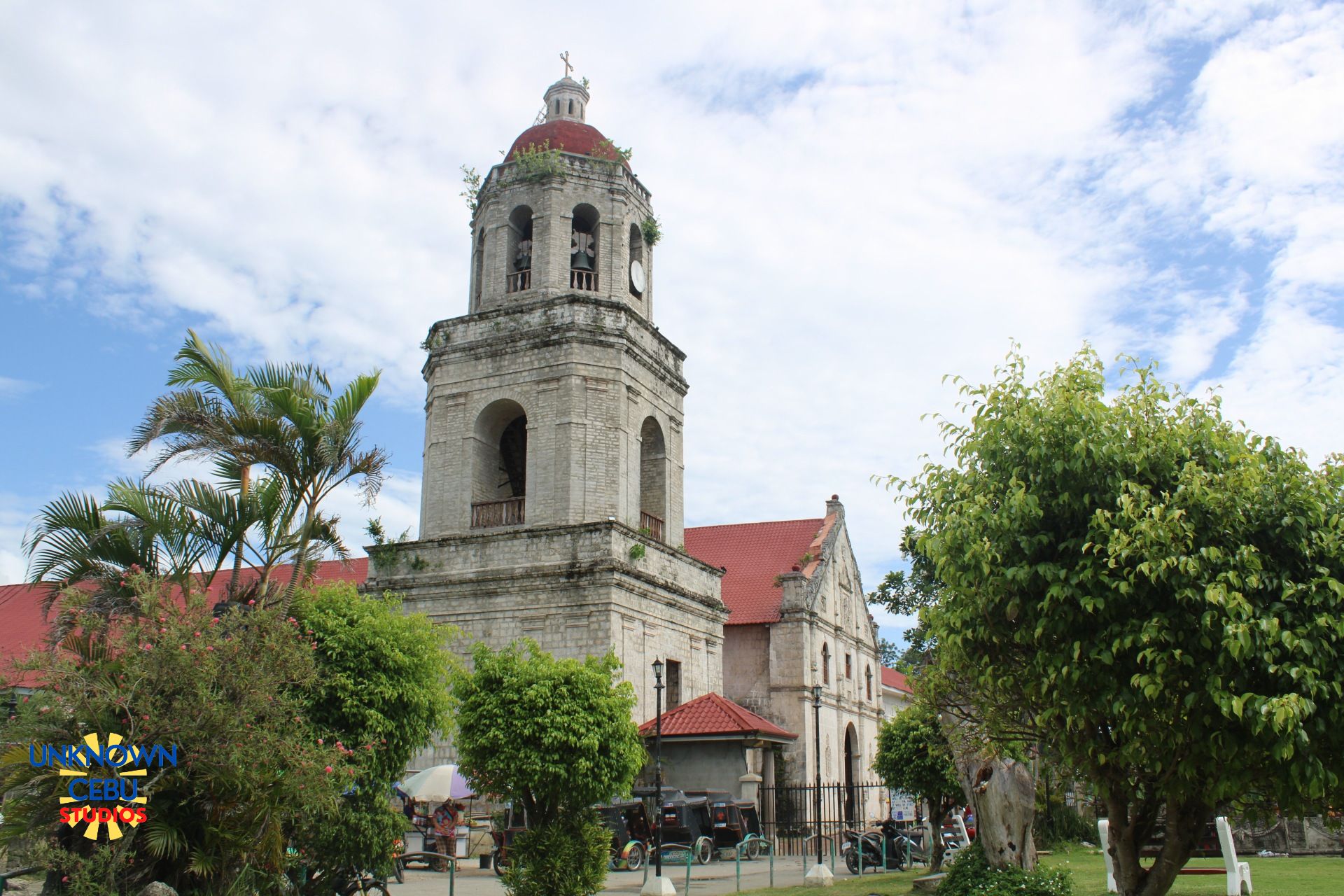
The church facade is a mix of both Roccoco and Baroque elements. It results in a pleasing combination of styles and art. The facade, similar to the upcoming Dalaguete church follows a rectangular plan with a triangle on top . It is divided into three segments with Greek columns divided the segments top to bottom and cornices from left to right. The belltower’s first level is cubed shaped with cornices and pilasters. The second level is also a cube but with its corners cut to create a octagonal level with arched windows. Coming to the third level of the belltower is a more defined octagon with the many bells and a massive clock. the entire facade is adorned with many bas reliefs and the seal of the Spanish empire also in bas relief above the main door.


The belltower’s first level is cubed shaped with cornices and pilasters. The second level is also a cube but with its corners cut to create a octagonal level with arched windows. Coming to the third level of the belltower is a more defined octagon with the many bells and a massive clock. The roof of both the church and the convent once collapsed in 1876 due to a powerful typhoon. The area is full of old houses and old municipal structures attesting to the history of Argao church.

Like some churches in Cebu the church has immaculate ceiling paintings made by a unknown Boholano Artist. The ceiling paintings depict various biblical events and stories, teaching the once mostly illiterate population to understand these stories. When you look at the choirloft you should immediately notice the small sponson on which the old Organ of the church is located. Once derelict and broken it was restored recently and is now back in working order. Its retablo is a splendid display of Filipino-Spanish craftmanship with three levels able to display


In conclusion the church is a leap in architecture for the Filipino people with Bas reliefs and other decorative designs already being introduced. First beggining with simple wood or stone structures with not much to look at and purely functional. The church has become a method where Filipino,Chinese and spanish artisans can practice their art.
Special thanks to Landel for help in Many regards.