
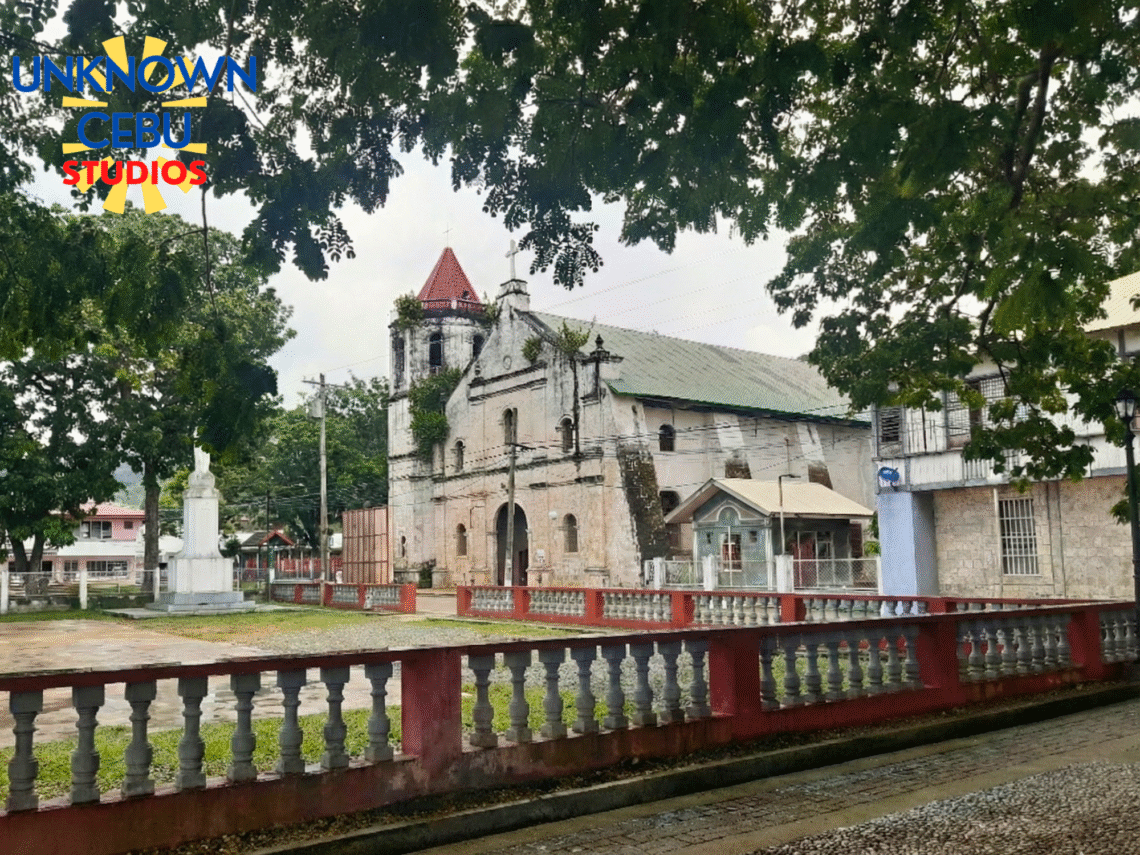
The southwestern coast of Cebu’s churches are arguably less studied and less well-known in comparison to those from the east coast of Cebu. Though somewhat off the beaten path today as well as the many years of yesteryear, heritage structures still dot the landscape. Among these heritage structures, the San Nicolas de Tolentino Parish Church in Malabuyoc stands as a testament to a specific moment in the 19th-century socio-economic renaissance of the Visayas. Facing the Tañon Strait with the silhouette of Negros Island in the distance, this church complex is not merely a center of worship but a monumental archive of the past. Constructed of coral stone in 1863, the church represents the culmination of a long journey for the town, a transition from a dependent settlement to a recognized parish under the Spanish Crown. To stand before its facade is to witness the materialized ambition of a community that moved from bamboo and nipa structures to the permanence of heavy masonry, fueled by the agricultural boom that transformed the province after the opening of the Port of Cebu to world trade.
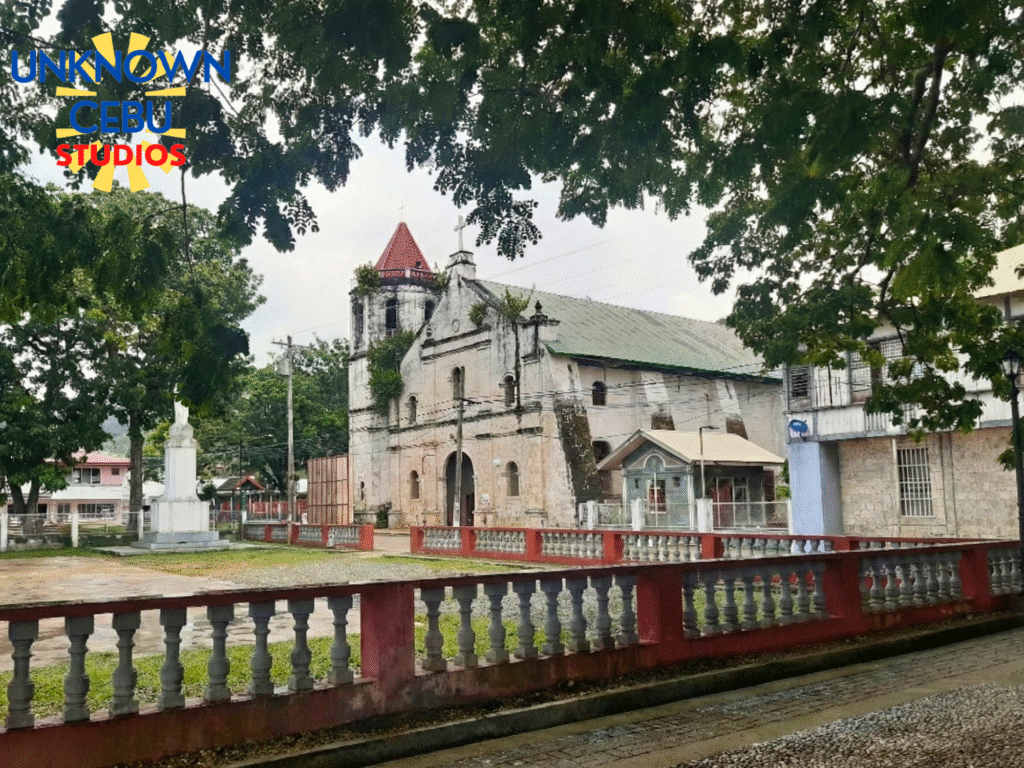
Before the first block of coral stone was cut from the marine shelves, Malabuyoc existed in the shadow of its mother parish, Samboan. For decades in the late 18th century, it functioned as a visita, a spiritual outpost served only by itinerant friars who braved the distance to administer the sacraments. The early chapels were ephemeral, easily claimed by fire or the fierce typhoons that regularly sweep through the archipelago. It was only on June 16, 1834 that Malabuyoc was formally elevated to an independent parish, a socio-political milestone that signaled the town’s maturity and economic capacity to support a permanent curate. This elevation was placed under the patronage of San Nicolas de Tolentino, an Augustinian saint revered as the patron of the Holy Souls in Purgatory, bridging the gap between the local reverence for ancestors and the theological doctrines of the new faith.
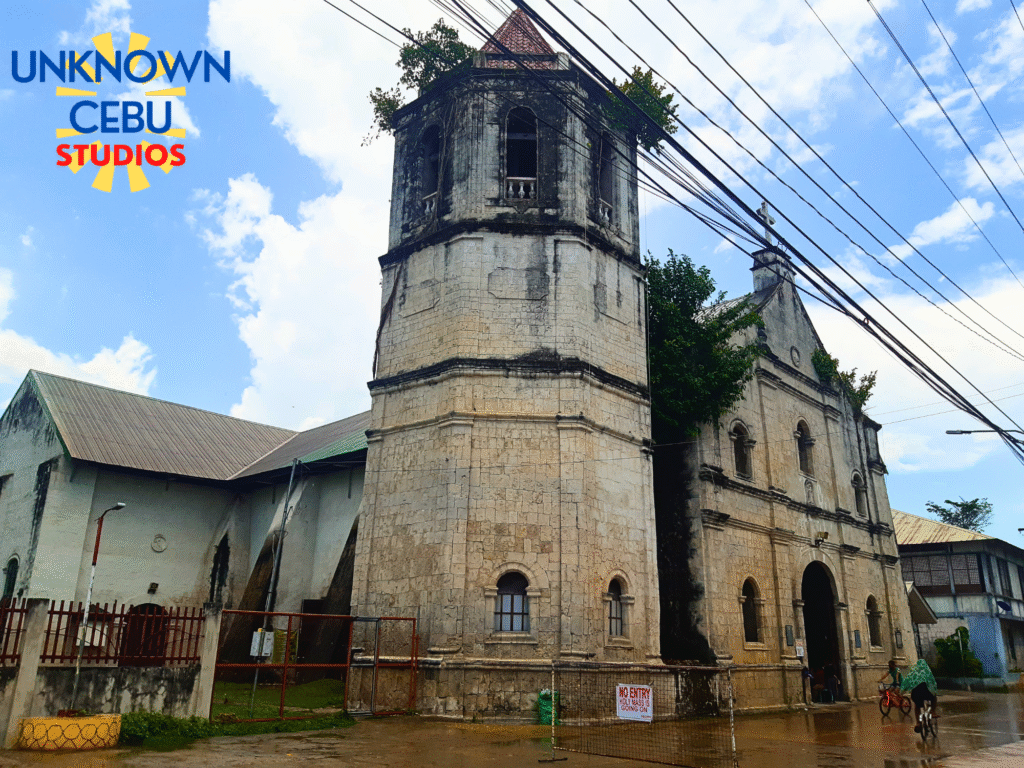
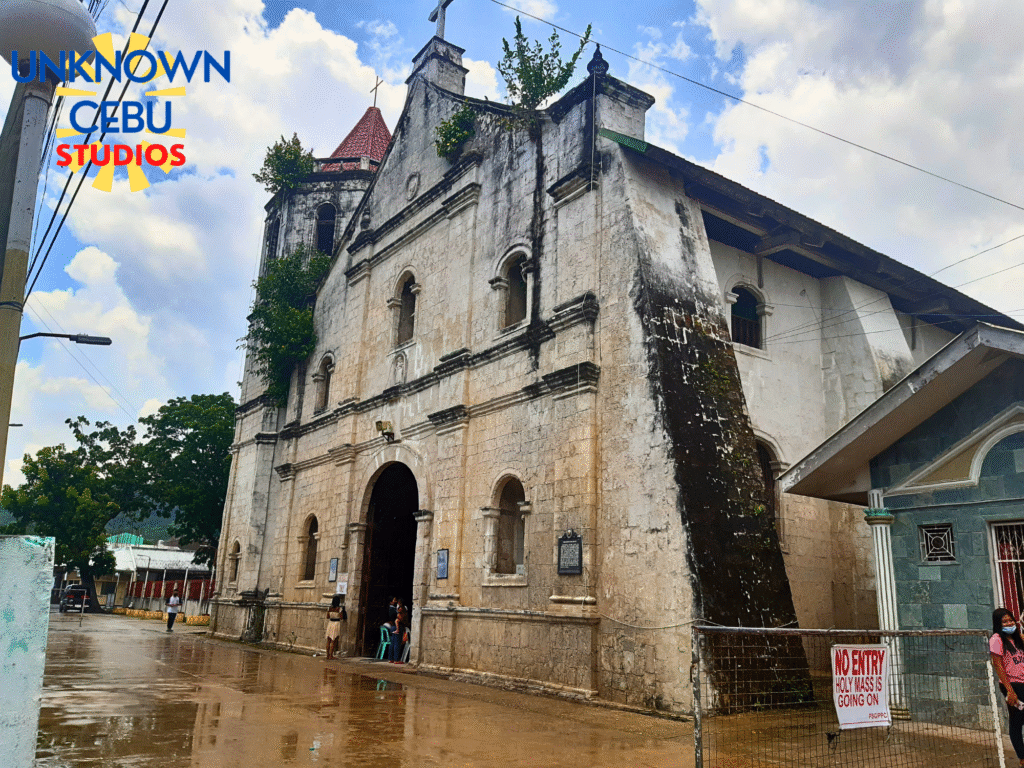
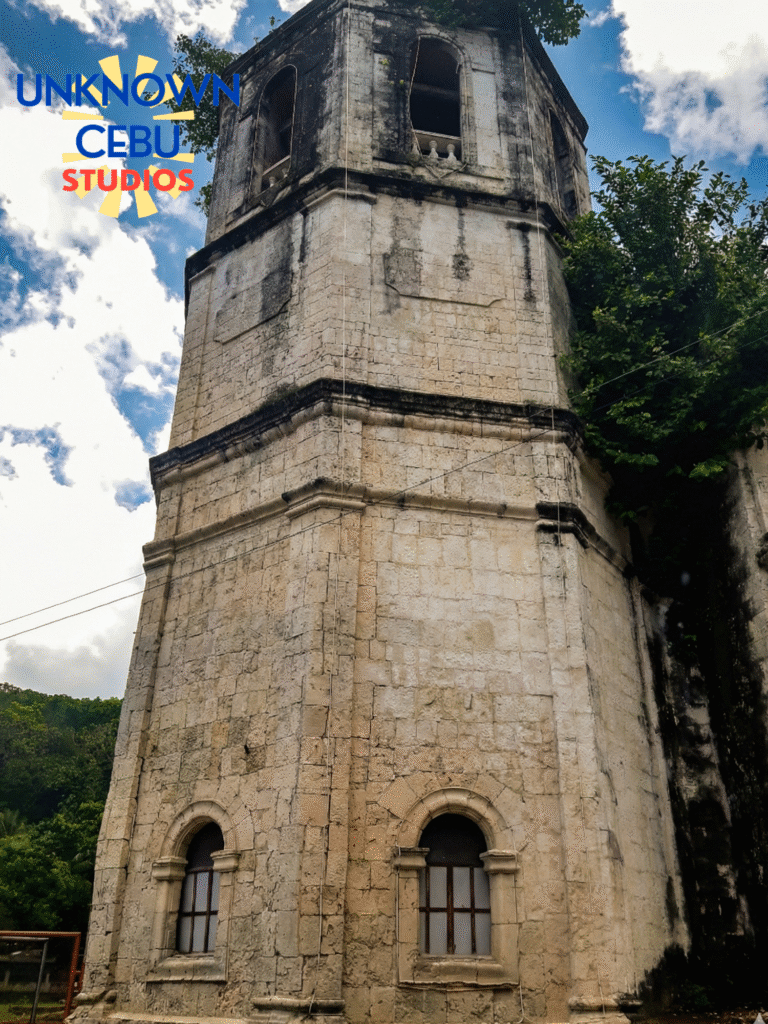
The architecture of the church itself speaks a language of restrained elegance and political significance. Unlike the florid, high-relief baroque fortresses found elsewhere in the Philippines, Malabuyoc’s facade relies on balance and specific symbolism. The facade, with its triangular pediment and trefoil window, hints at the creeping influence of the Gothic Revival, yet remains grounded in the solid, earthquake-resistant geometry of the colonial era.Among the other features which can be seen on the facade of the church are several bas reliefs done in Coral stone. At the center of the second level of the facade is St. Nicolas of Tolentine with a bowl and partridge in hand. There is also a relief of a flower and a cross. An intriguing aspect of the Malabuyoc complex is its bell tower. Defying the standard square or octagonal forms of the period, the belfry is octagonal that stands slightly apart from the main church body. There are several bells from the Spanish period still inside, though these have been affected badly by the elements and bird or bat droppings.
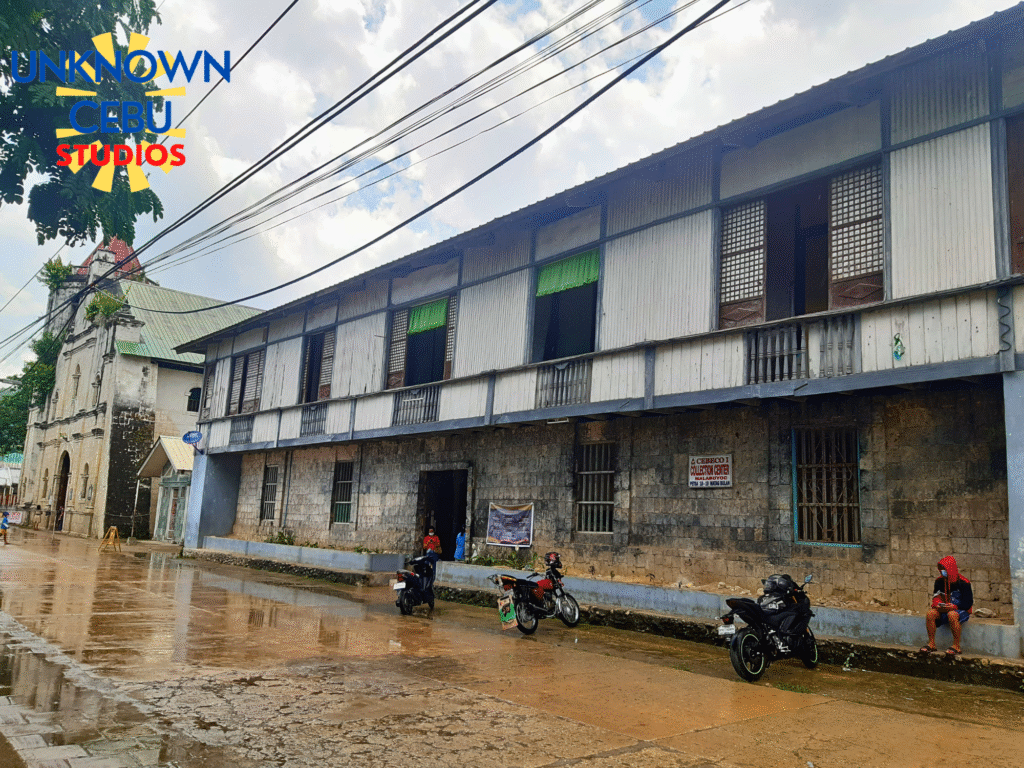
The narrative of Malabuyoc’s stone heritage is incomplete without the inclusion of the convent, a structure that owes its resilience to the era’s premier infrastructure architect, Domingo de Escondrillas. Built between 1881 and 1885, the convento is a masterclass in combining the vernacular Bahay na Bato tradition with civil engineering precision. Escondrillas, who also designed the Cebu Provincial Jail, created a ground floor that functioned almost as a garrison with the upper floor crafted from timber to sway with earthquakes. It served not just as a priest’s residence but as the administrative heart of the town. This collaboration between the church and a professional district engineer marks a shift in colonial building, moving towards institutional durability that allowed the structure to survive for nearly a century and a half.
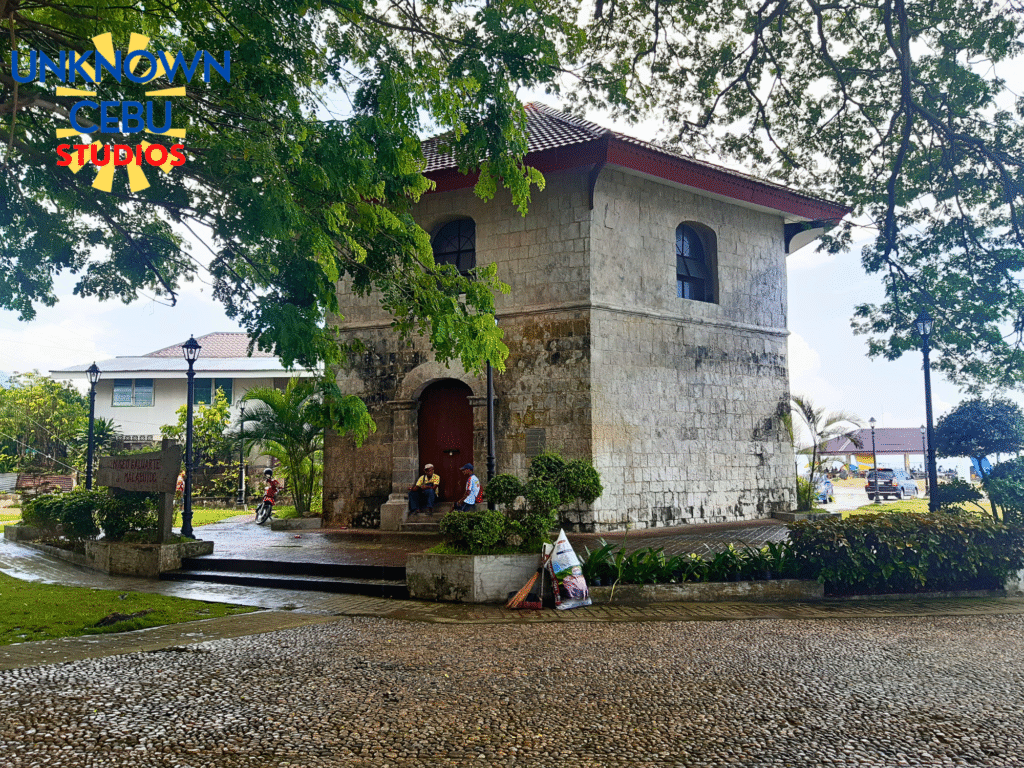
Today, the San Nicolas de Tolentino Church stands at a crossroads of preservation and climate reality. Recognized by the National Historical Commission of the Philippines with a Level II Historical Marker in 2017, the complex is legally protected, yet it remains vulnerable to the elements. The devastation of Typhoon Odette in 2021, which tore the roof from the historic convent, served as a violent reminder that heritage conservation is an ongoing battle. The exposure of the 19th-century interiors to the tropical rains threatens the very fabric of the building. As we trace the history of this town from a humble visita to a royal parish, we are reminded that these stones are not invincible.
Sources:
Redondo y Sendino, Felipe. Breve Reseña de lo Que Fue y de lo Que es la Diócesis de Cebu, en las Islas Filipinas. Manila: Establecimiento tipográfico del Colegio de Sto. Tomás, 1886.
Alix, Louella Eslao-, et al. Balaanong Bahandi: Sacred Treasures of the Archdiocese of Cebu. Cebu City: Cathedral Museum of Cebu, Inc. and University of San Carlos Press, 2010.
The Kabilin Center. “San Nicolas de Tolentino.” Accessed December 9, 2025. https://thekabilincenter.org/san-nicolas-de-tolentino/.
Philippine Daily Inquirer. “Odette Devastates Heritage Sites in Cebu and Bohol.” Inquirer Lifestyle. Accessed December 9, 2025. https://lifestyle.inquirer.net/395152/odette-devastates-heritage-sites-in-cebu-and-bohol/.
MyCebu.ph. “Centuries-Old Churches in Southern Cebu.” Accessed December 9, 2025. https://www.mycebu.ph/article/centuries-old-churches-in-southern-cebu/.
NHCP Historic Sites. “Simbahan ng Malabuyoc.” NHCP Historic Sites (blog). November 2020. Accessed December 9, 2025. https://nhcphistoricsites.blogspot.com/2020/11/simbahan-ng-malabuyoc.html.
Beyee. “Visita Iglesia Round South Cebu.” Life is Beyeeutiful (blog). March 30, 2018. Accessed December 9, 2025. https://lifeisbeyeeutiful.com/2018/03/30/visita-iglesia-round-south-cebu/.
Alegria Church Hopping. “The Journey Begins.” Alegria Church Hopping (blog). March 11, 2018. Accessed December 9, 2025. https://alegriachurchhopping.wordpress.com/2018/03/11/the-journey-begins/.
thecapricornbeartakeshi. “June 2009 Archive.” thecapricornbeartakeshi (blog). June 2009. Accessed December 9, 2025. https://thecapricornbeartakeshi.wordpress.com/2009/06/.


