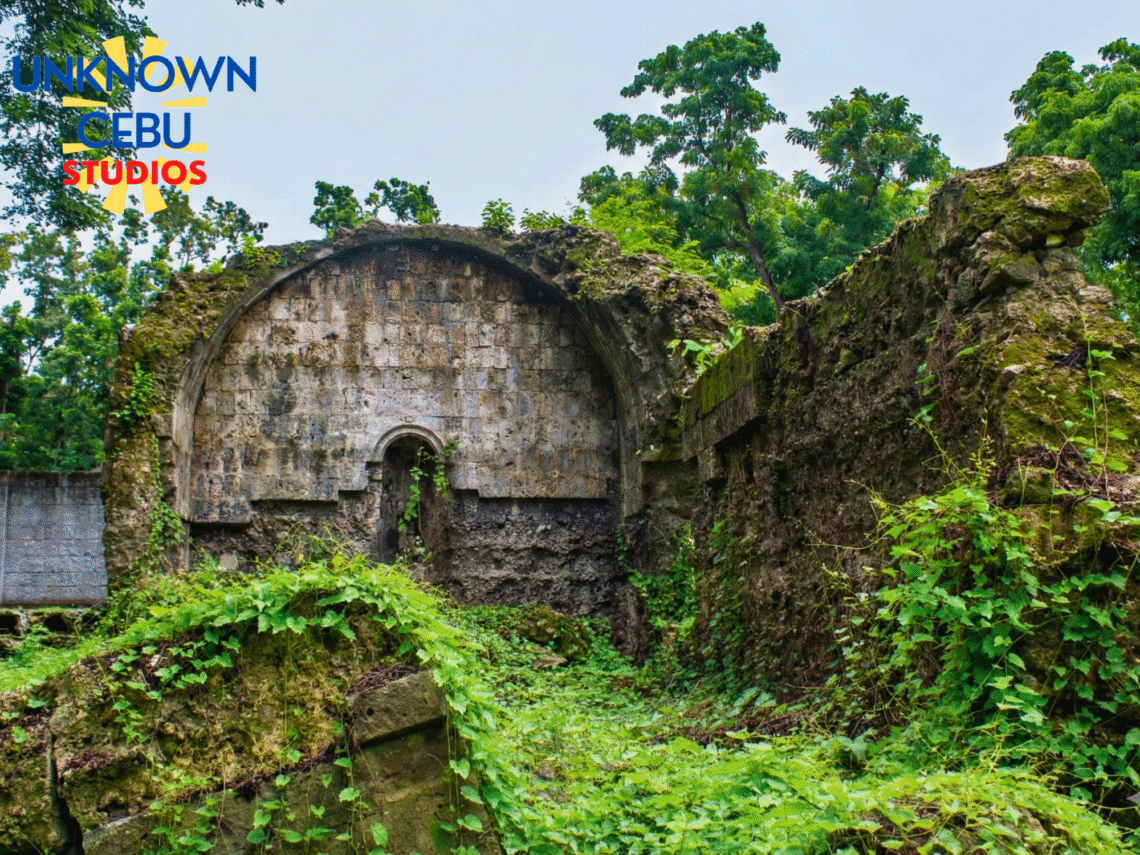
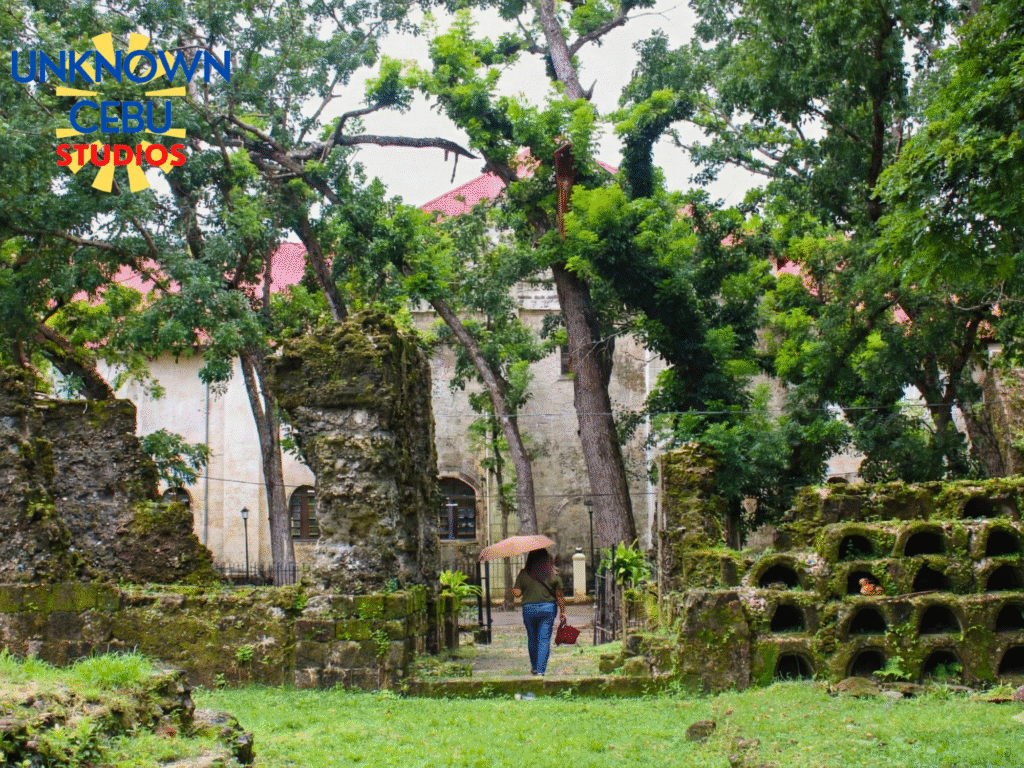
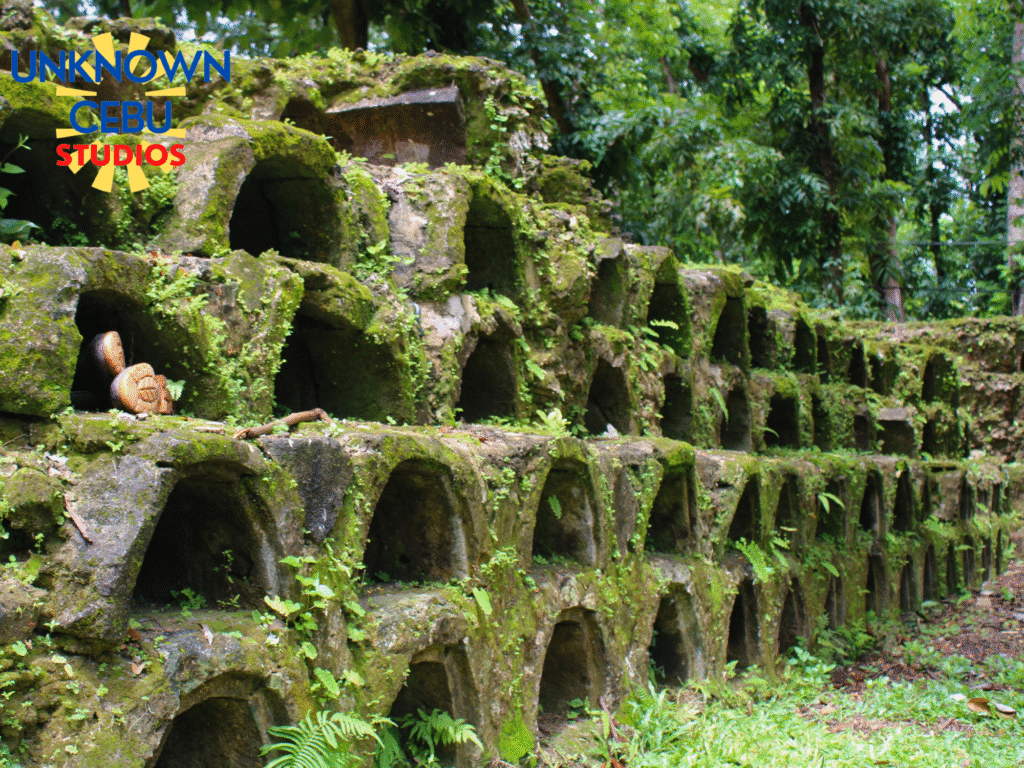
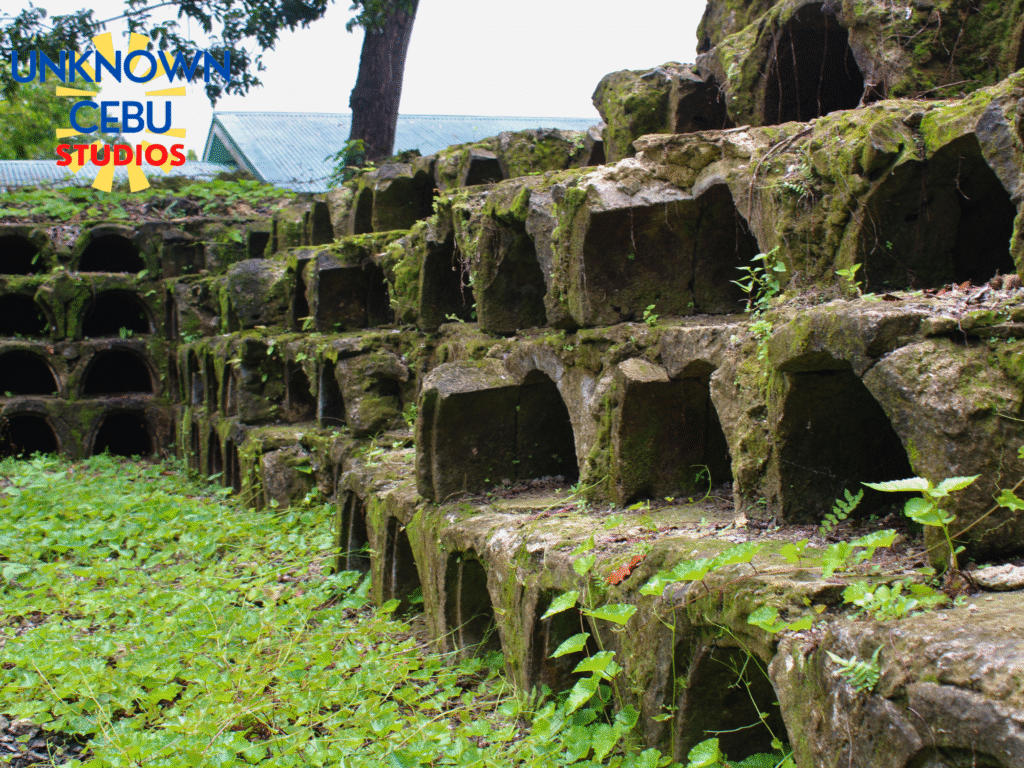
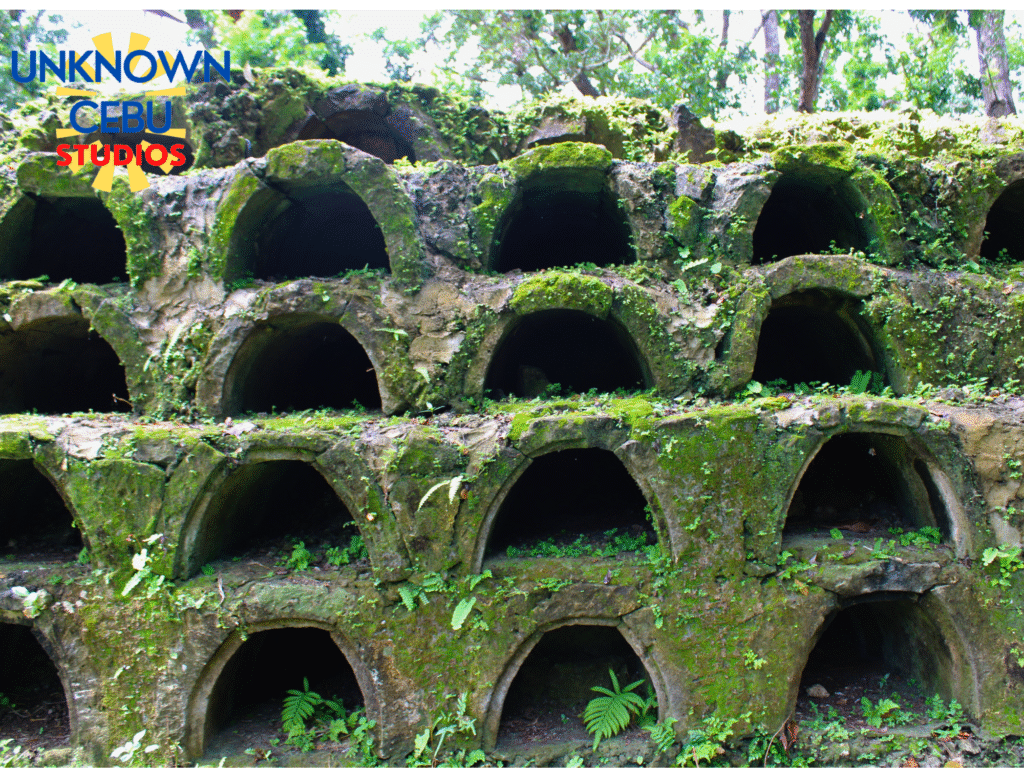
Deep in the quiet coastal municipality of Dimiao, nestled along the southern ethos of Bohol, lies a structure that feels less like a remnant of Spanish colonial rule and more like a scene from a fever dream. We often think of heritage sites as static monuments—stone churches standing guard against the centuries—but the Ermita de San Nicolas de Tolentino, or simply the Dimiao Ermita Ruins, offers something far more unsettling and profound. It is a place where the architectural ambition of the past collides with a silence that is almost deafening. Walking through the parallel walls behind the majestic San Nicolas de Tolentino Parish Church, you are immediately confronted by a unique morphological anomaly in the Philippine archipelago: a massive, coralline limestone wall honeycombed with hundreds of rectangular voids. These are not merely decorative arches; they are open mouths, yawning sepulchers designed to hold the dead, yet they stare back at you with an emptiness that defies the logic of a cemetery, such is the Dimiao Ermita.
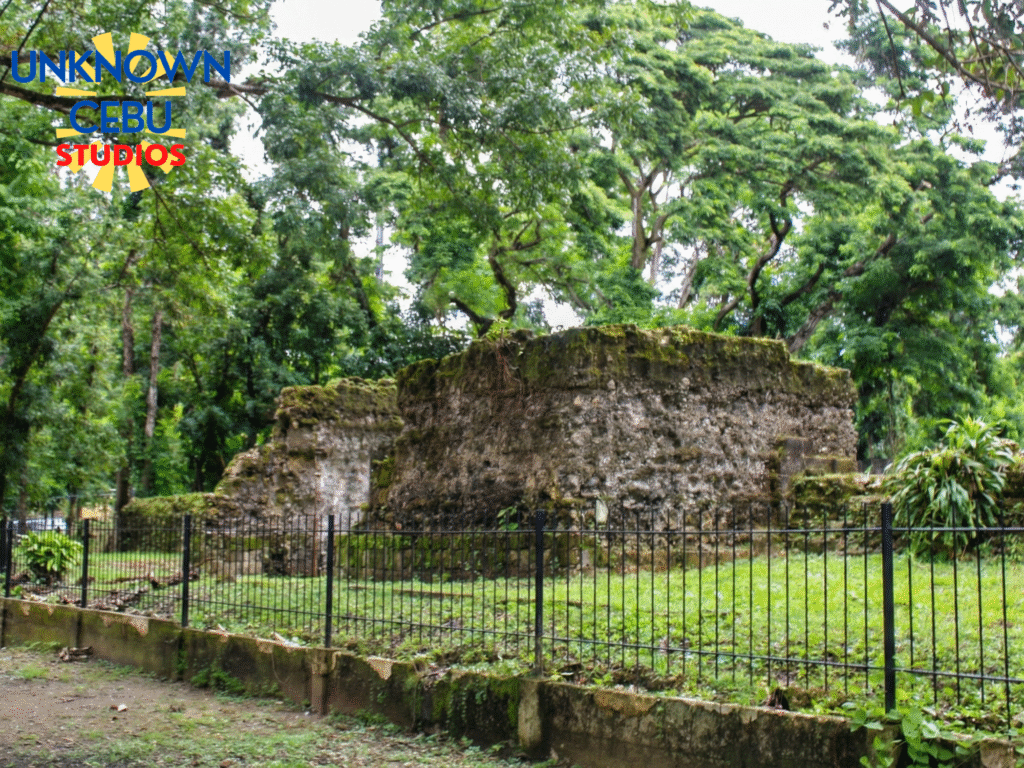
The genesis of this enigma takes us back to the early 19th century, specifically between 1800 and 1815, under the administration of the Augustinian Recollect friar, Fr. Enrique de Santo de Villanueva. In an era known as the “Stone Age” of Boholano church building, where the fear of Moro raids and the desire for permanence drove the construction of fortresses of faith, the Ermita was conceived as a grand necrological project. Utilizing coral stone cut from the uplifted reefs of the island and bound by lime mortar mixed, as has been confirmed through oral testimony, with egg whites and plant sap, the structure was intended to be a sanitary reform. It was a chapel for funeral rites surrounded by an ordered, vertical ossuarium—a solution to space and hygiene that was centuries ahead of its time, akin to a modern columbarium but built with the brute mass of a military fortification; such is the Dimiao Ermita.
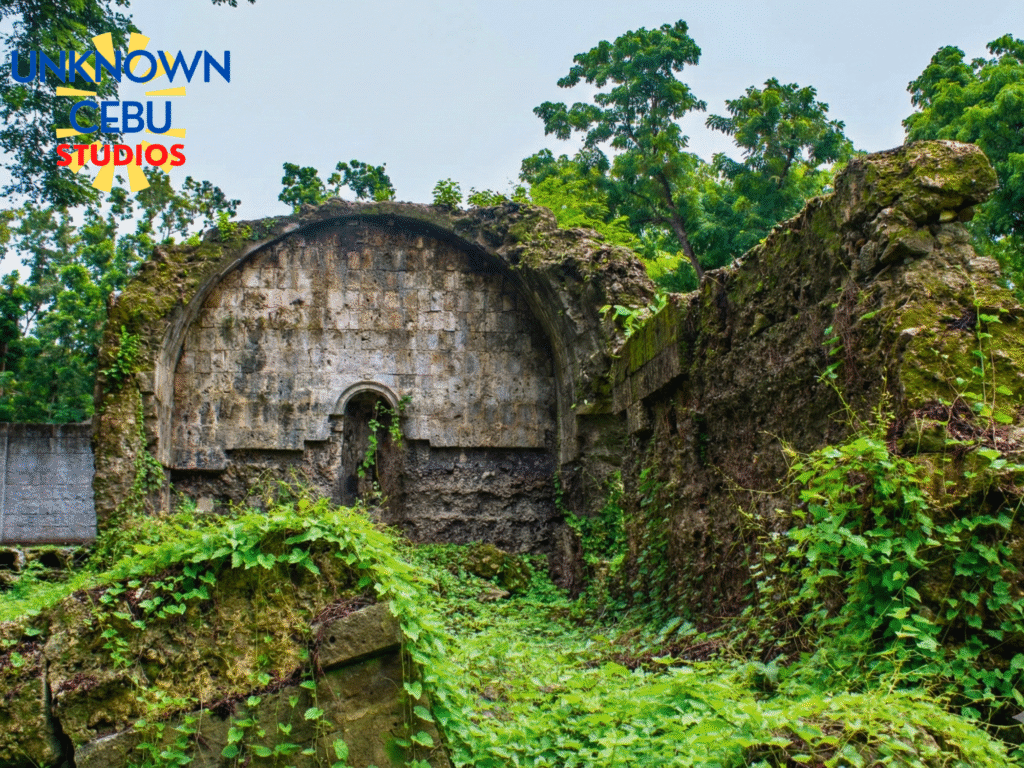
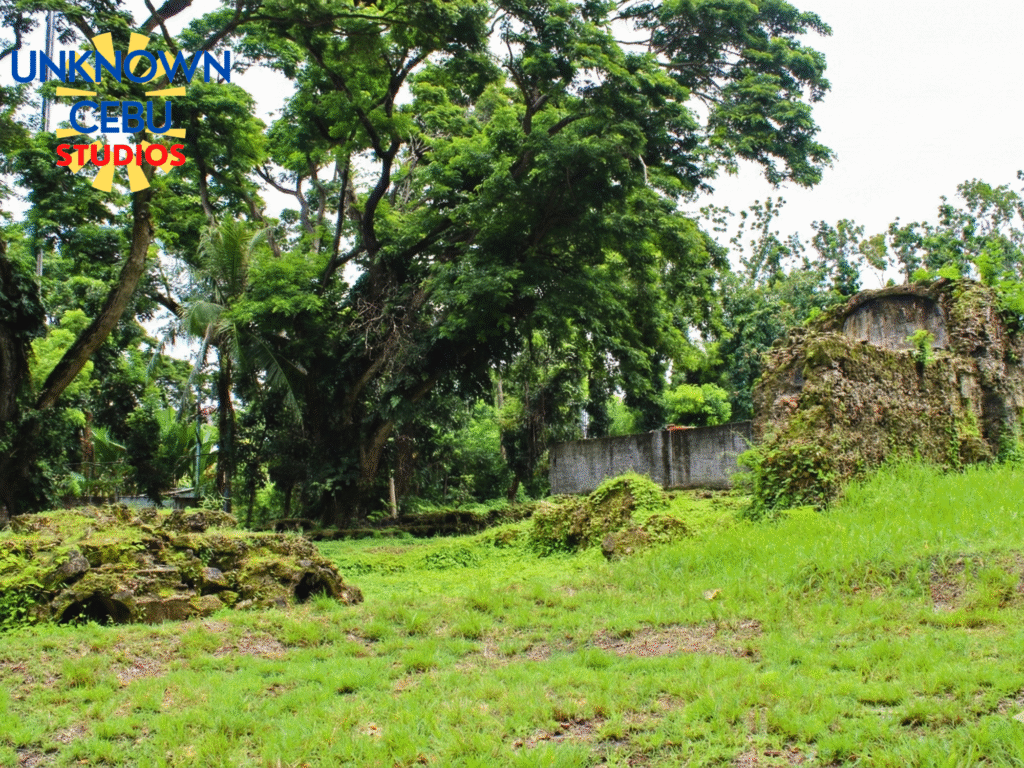
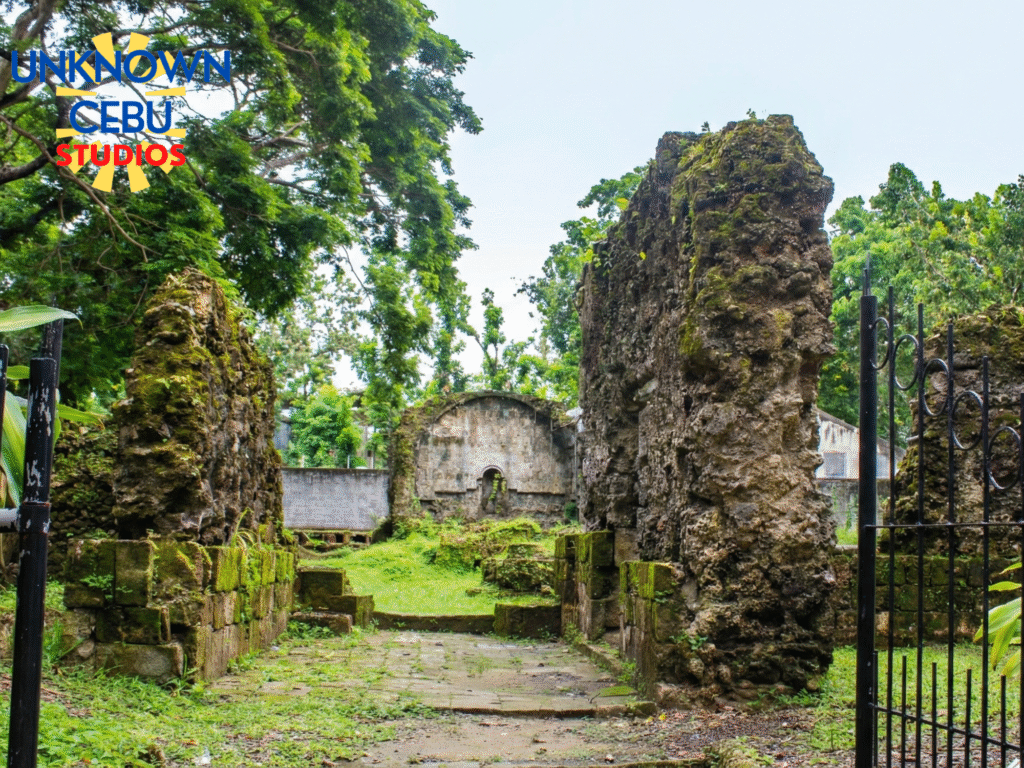
However, the true mystery of the Ermita isn’t just in its construction, but in its abandonment. For generations, local Dimiao folklore whispered that these honeycomb tombs were never used, a theory seemingly confirmed by the lack of lapidas (stone seals) and the absence of remains within the niches. It wasn’t until the archaeological excavations by the National Museum in the 1990s that the dark truth beneath the surface was revealed. The walls were empty because the ground was full. Digging beneath the enclosure, archaeologists discovered mass graves where skeletons were stacked in chaotic layers, defying the orderly Christian burial rites of the time. This stratigraphic chaos points to a catastrophic interruption—likely a devastating epidemic of cholera or smallpox that struck Dimiao during construction. The mortality rate would have been so overwhelming that the orderly interment in individual niches became impossible, forcing the town to bury their dead in haste within the very earth meant to sanctify them, leaving the honeycomb walls as a hollow monument to a suspended plan..
What makes the Ermita truly a “palimpsest” of history—a manuscript written over imperfectly erased text—is what those skeletal remains revealed about the people of Dimiao. Among the bones of these 19th-century Catholics, buried in consecrated ground, forensic experts found evidence of Sangka, or tooth filing. This pre-colonial Visayan practice, where incisors and canines were filed to be even or concave and often pegged with gold, was a mark of beauty and civilization to the ancient “Pintados.” Its presence here, centuries after the Spanish conquest, is a startling revelation of cultural persistence. It proves that while the Boholanos built the stone churches and attended the Latin masses, they did not entirely surrender their indigenous identity. They carried the somatic markers of their ancestors into the grave, a silent form of resistance or syncretism that survived right under the noses of the friars.
The Ermita cannot be viewed in isolation; it is the shadow to the light of the San Nicolas de Tolentino Church. The church itself is a masterpiece of the Boholano baroque, with its twin octagonal towers serving as both belfries and watchtowers against raiders from the sea. The interplay between the church and the ruins creates a dialogue between the living parish and the memory of the dead. The Mudejar influences in the church’s architecture and the defensive thickness of the walls remind us that this complex was built on a frontier of conflict—spiritual, physical, and cultural. The fact that the Ermita runs parallel to the nave suggests a planned seamless transition from the funeral mass to the tomb, a connection severed by the tragedy of the epidemic and later sanitary laws that condemned the site to obsolescence.
Today, the Ermita Ruins stand as a National Cultural Treasure, a designation that recognizes not just its architectural uniqueness but its “outstanding historical value.” Yet, its current state of “arrested decay” offers a strange comfort. The site has transformed from a place of death into a “living ruin.” Moss and ferns cling to the porous coral stone, softening the harsh geometry of the empty tombs. It is common to see children playing tag among the walls where the dead were meant to sleep, or tourists wandering in a mix of awe and unease. It is a place where the “UnknownCebu” watermark feels most at home—a site that bridges the gap between the documented history of the Spanish empire and the silent, enduring spirit of the Visayan people. The tombs may be empty, but the story they tell is overflowing: The Dimiao Ermita.
Sources:
National Museum of the Philippines. National Museum Annual Report 2012. Manila: National Museum of the Philippines, 2012. JSTOR, www.jstor.org/stable/29792517.
National Museum of the Philippines. FY 2018 NM Annual Report. Manila: National Museum of the Philippines, 2018. https://weblinks.nationalmuseum.gov.ph/wp-content/uploads/2021/07/FY-2018-NM-Annual-Report-Final.pdf.
National Museum of the Philippines. NM Annual Report 2014. Manila: National Museum of the Philippines, 2014. https://weblinks.nationalmuseum.gov.ph/wp-content/uploads/2021/07/NM-Annual-Report-2014-.pdf.
National Museum of the Philippines. “National Cultural Treasures.” National Museum of the Philippines. Accessed November 29, 2025. https://www.nationalmuseum.gov.ph/our-collections/archaeology/national-cultural-treasures/.
Udtohan, Leo. “Visitors Find Strange Attraction to 200-Year-Old Honeycomb-Like Tombs in Bohol.” Inquirer.net. October 29, 2016. https://newsinfo.inquirer.net/838755/visitors-find-strange-attraction-to-200-year-old-honeycomb-like-tombs-in-bohol.
Falde, Nathan. “The Mystery of the Empty Honeycomb Tombs in Bohol.” Ancient Origins. October 30, 2016. https://www.ancient-origins.net/news-history-archaeology/mystery-empty-honeycomb-tombs-bohol-00997.
Org.ph. “San Nicolas de Tolentino Church – Dimiao.” Org.ph. Accessed November 29, 2025. https://www.orgph.com/locations/san-nicolas-de-tolentino-church-dimiao.
Bohol.ph. “Picture.” Bohol.ph. Accessed November 29, 2025. https://www.bohol.ph/picture1605.html.
Wikipedia. “List of National Cultural Treasures in the Philippines.” Wikipedia, The Free Encyclopedia. Last modified November 13, 2025. https://en.wikipedia.org/wiki/List_of_National_Cultural_Treasures_in_the_Philippines.
Chasing X Collective. “TravelGuide101: Ermita Ruins.” Chasing X Collective (blog). March 10, 2017. https://chasingxcollective.wordpress.com/2017/03/10/travelguide101-ermita-ruins/.
brahmin eyes. “Bohol Trip (2).” brahmin eyes (blog). February 6, 2012. https://brahmineyes.wordpress.com/2012/02/06/bohol-trip-2/.
maikies0405gmail. “The journey begins.” maikies0405gmail.home.blog (blog). September 9, 2018. https://maikies0405gmail.home.blog/2018/09/09/the-journey-begins/.
muog. “Dimiao Fortification • Dimiao, Bohol.” muog (blog). January 31, 2008. https://muog.wordpress.com/2008/01/31/dimiao-fortification-%E2%80%A2-dimiao-bohol/.


