
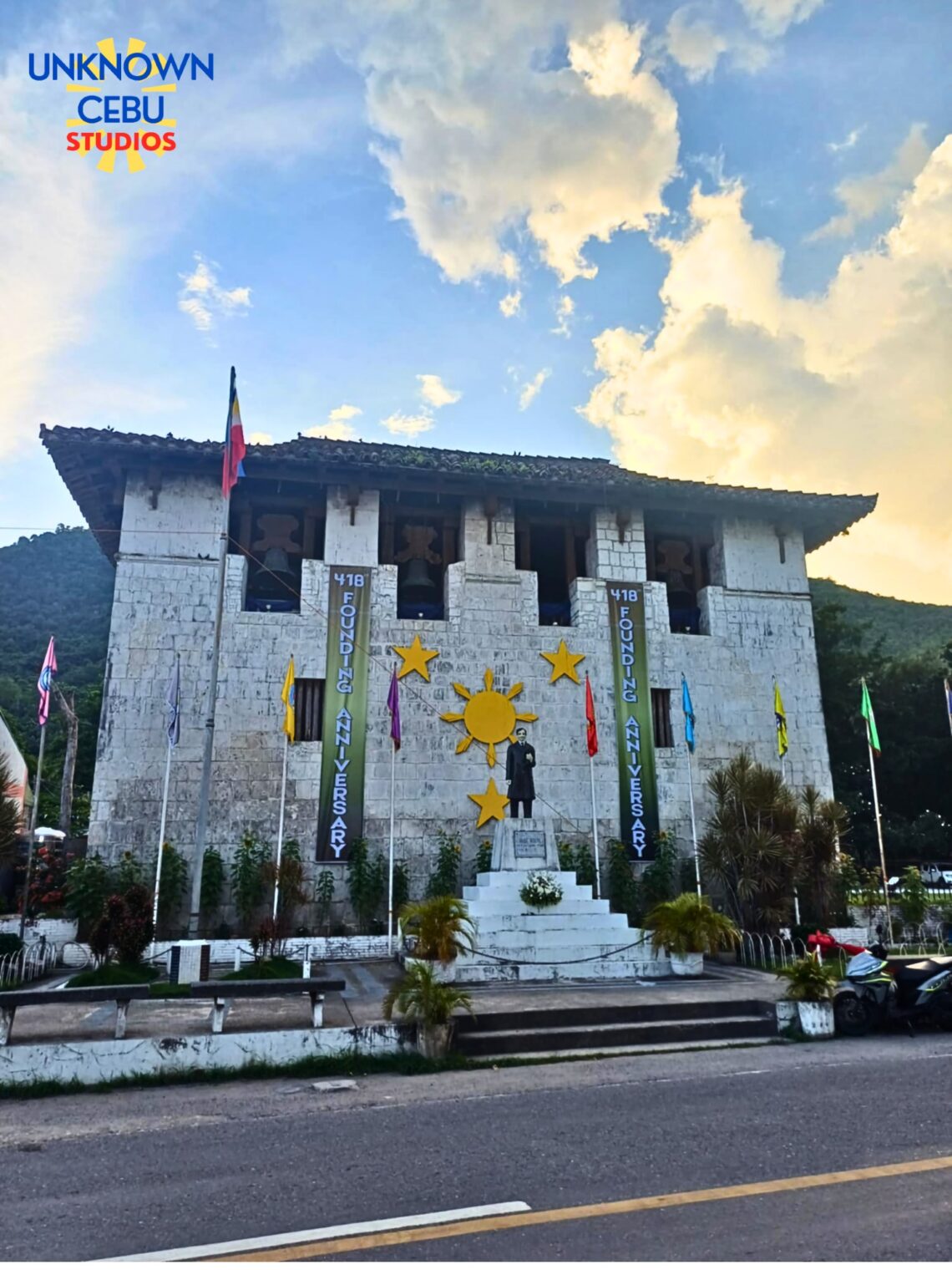
Watchtowers, known locally as baluartes or bantayan, were constructed across the Philippines primarily as a vital coastal defense mechanism against the devastating threat of Moro slave raiders from Mindanao and Sulu, a conflict that escalated dramatically during the Spanish colonial period (16th to 19th centuries). For the islands of the Visayas—particularly Cebu, Bohol, Iloilo (Panay), and Negros—the raids posed a constant, existential danger. The coastal towns, where Spanish missions and native settlements (pueblos) were concentrated, were highly vulnerable targets for vintas (fast outrigger boats) seeking to capture Christianized Visayan natives for the booming international slave trade, which peaked in the 18th century. The towers were thus not merely military outposts but critical instruments of survival, providing the crucial early warning necessary for local militias and villagers to gather their belongings and retreat inland to safety, often to fortified churches or designated uplands (takas).
The most comprehensive watchtower system in the Visayas was established in the late 18th century, notably pioneered by the Augustinian friar Fray Julián Bermejo in southern Cebu. Bermejo designed a sophisticated, intervisible chain of stone baluartes that stretched along the coastline. These towers were strategically positioned so that a signal—initially smoke by day or fire by night—could be relayed from one tower to the next, covering vast distances in minutes and providing maximum reaction time for the coastal communities. This network of defense transformed the regional security landscape. While built to combat piracy, the towers also represented a material manifestation of Spanish state power and Catholic protection in the periphery. After the threat of large-scale raids diminished in the mid-19th century, many of these same towers were repurposed as telegrafos opticos, continuing their role as essential coastal communication links through the use of flags and spyglasses.
The Following are a catalogue of watchtowers in the Visayas Region. Photo credits are from UnknownCebu unless otherwise stated.
Watchtowers in Cebu: These are a catalogue of SOME watchtowers in Cebu. These are in NO WAY a complete list, but is a somewhat representative list of watchtowers on the island.The watchtowers, known locally as baluartes or bantayan or, lantawan were constructed along the coast of Cebu during the Spanish colonial period primarily as a defensive network against relentless Moro slave raids from the southern Philippines. These strategic stone structures served as early warning systems; lookouts would spot approaching vinta (pirate sailboats), alerting the coastal Christianized communities to seek shelter or prepare defenses against the marauders who routinely kidnapped locals to be sold into slavery. The most extensive and effective system was implemented in southeastern Cebu under the guidance of Fray Julian Bermejo, who organized towns and built many of the surviving towers to protect the populace and their churches from the devastating, centuries-long attacks that significantly hampered the region’s development.
- Guiwanon, Oslob. | Located at the Heritage park in front of the church. Built in 1788.
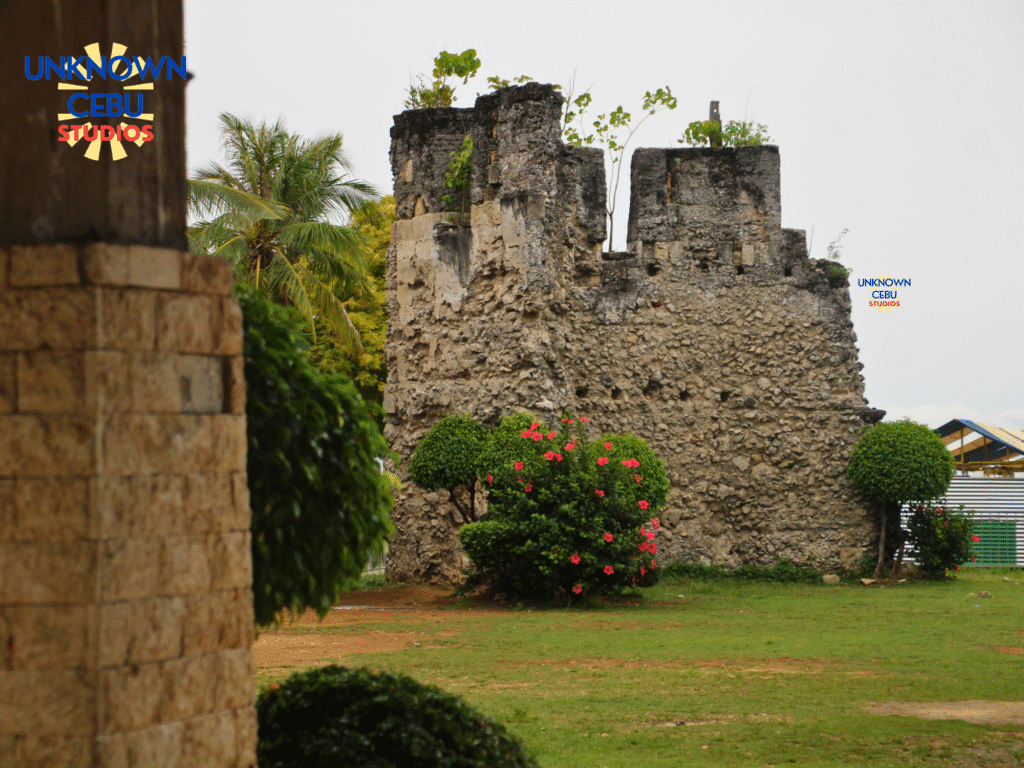
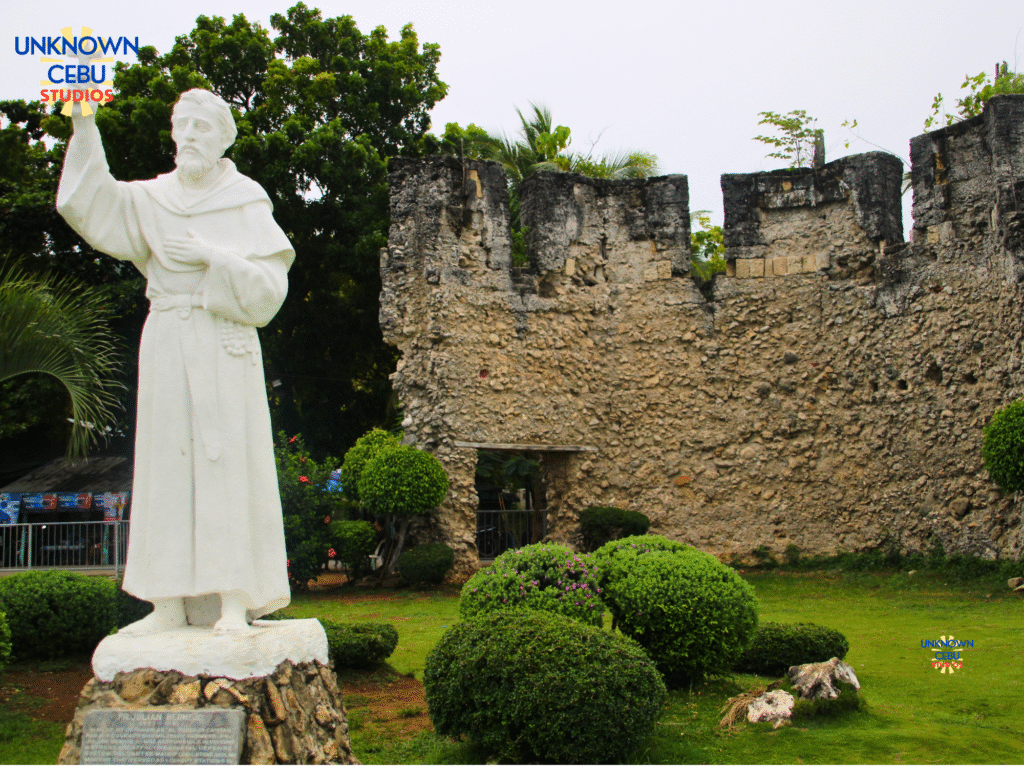
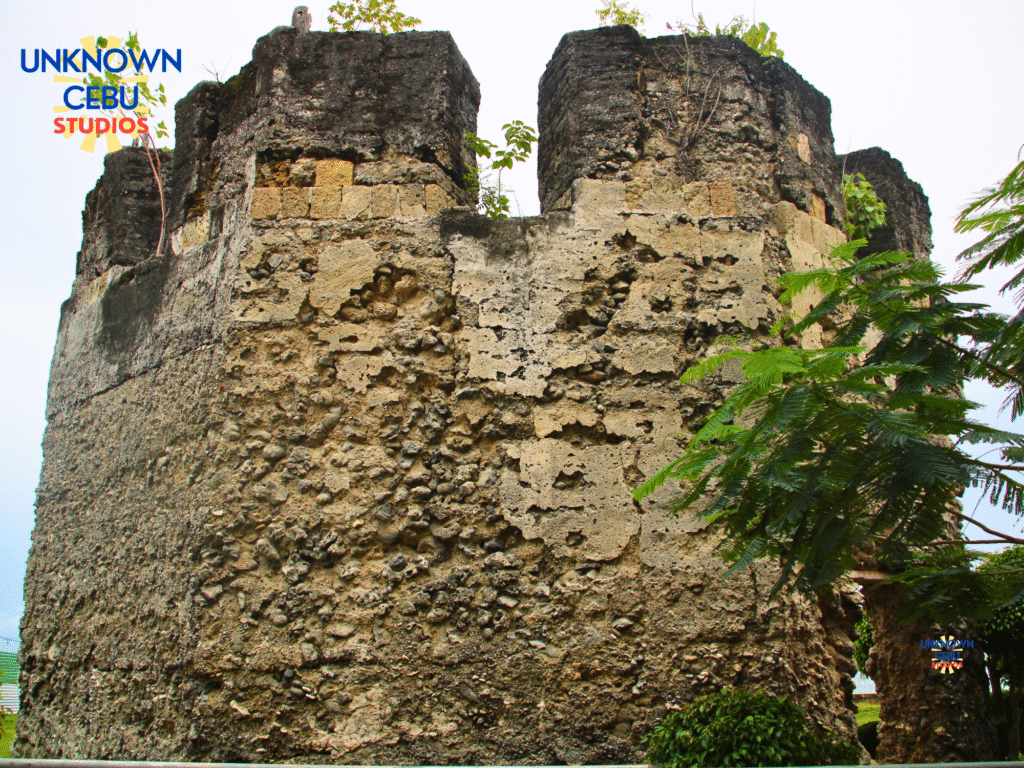
2. Daanlungsod Fortress, Oslob. | Multiple Watchtowers | Located in Barangay Daanlungsod. Built in 1789/8.
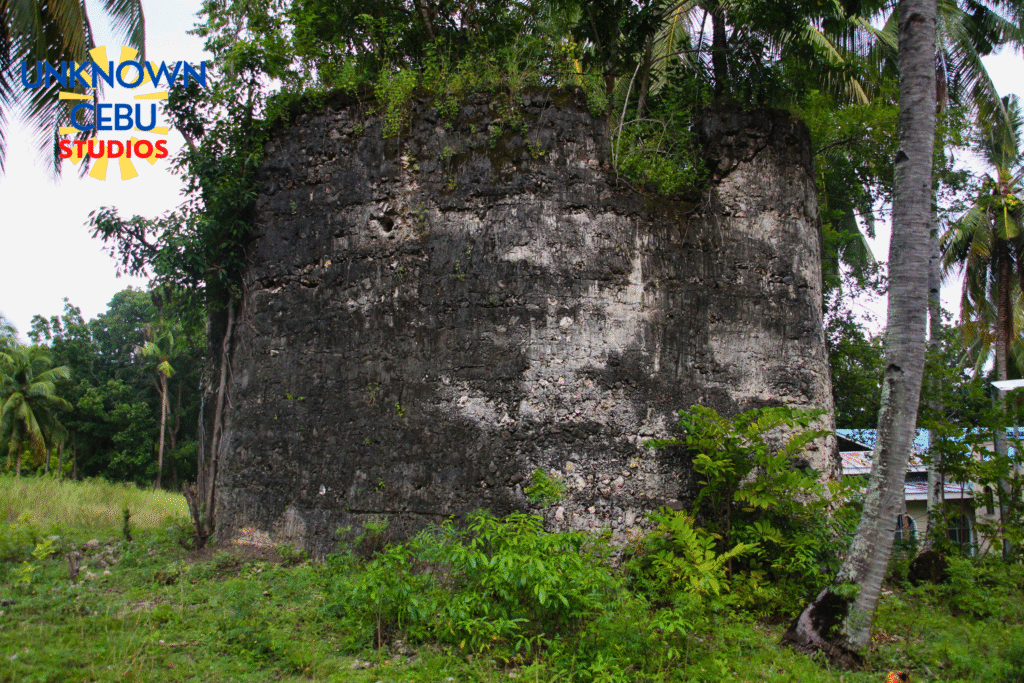
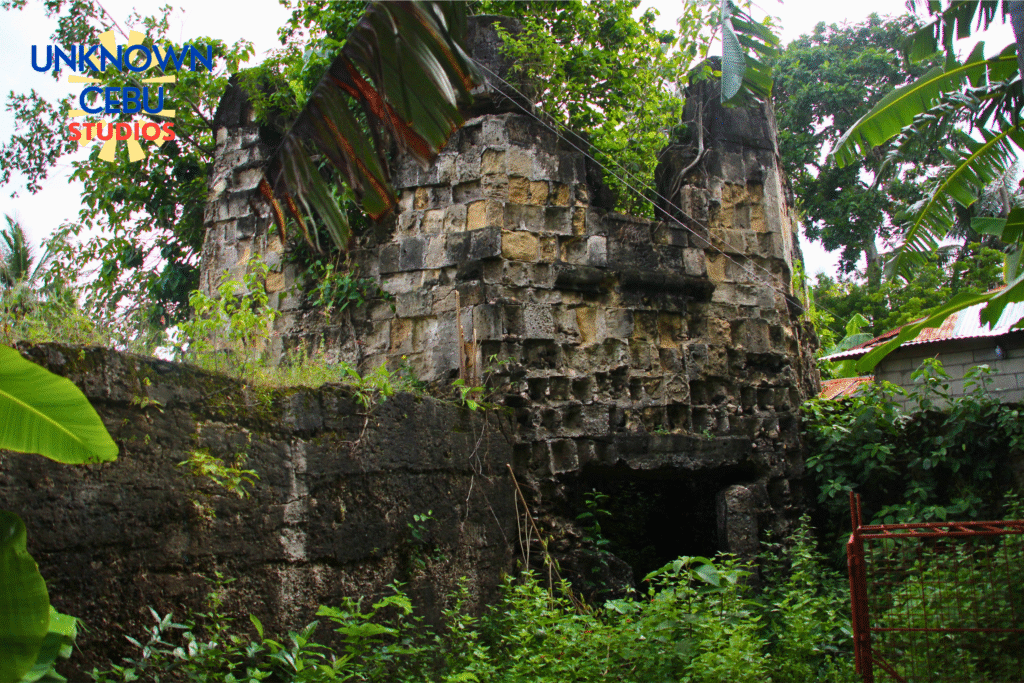
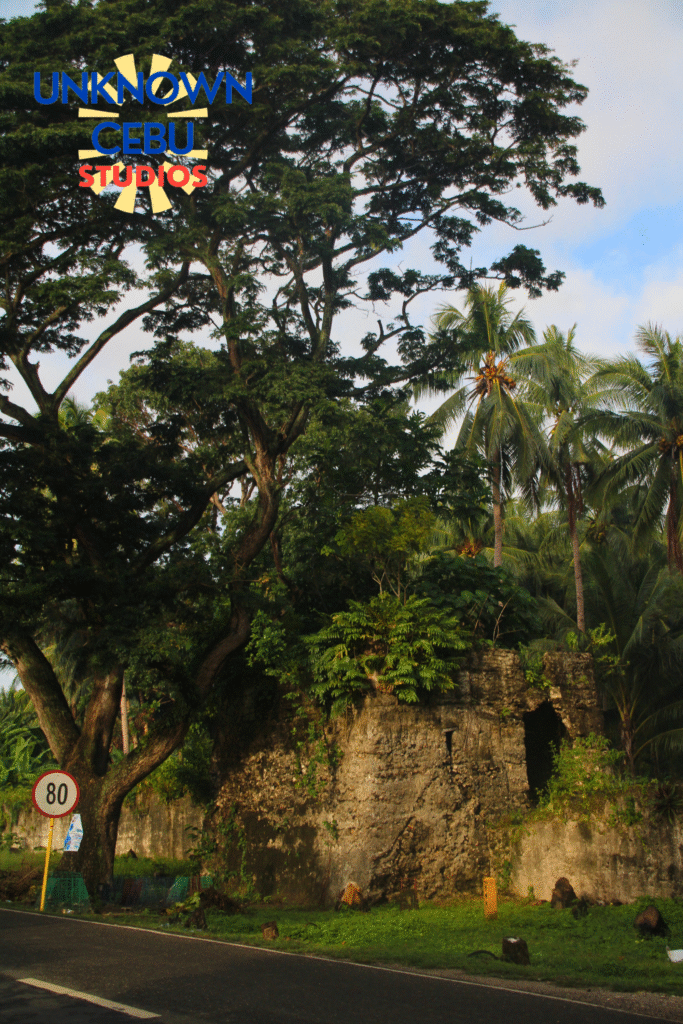
3. Sogod Watchtower, Cebu. | Located in front of the church. Built in the 1800s. | Note: Quadrilateral.
4. Aloguinsan Watchtower, Cebu | Located on a hill behind the Municipal Hall | Note: Once called “Baluarte Cantaycong” Additional ruins of a low wall are located nearby.
5. Baluarte sa Puente, Boljoon | Located on the mouth of a rover | Note: Octagonal.
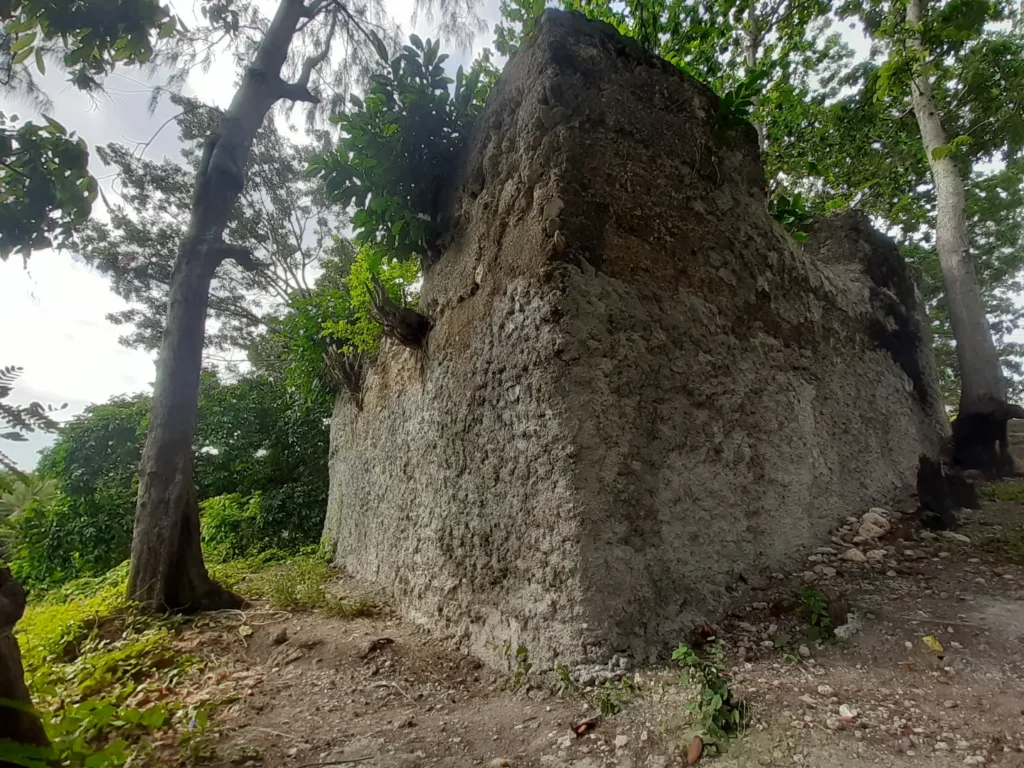
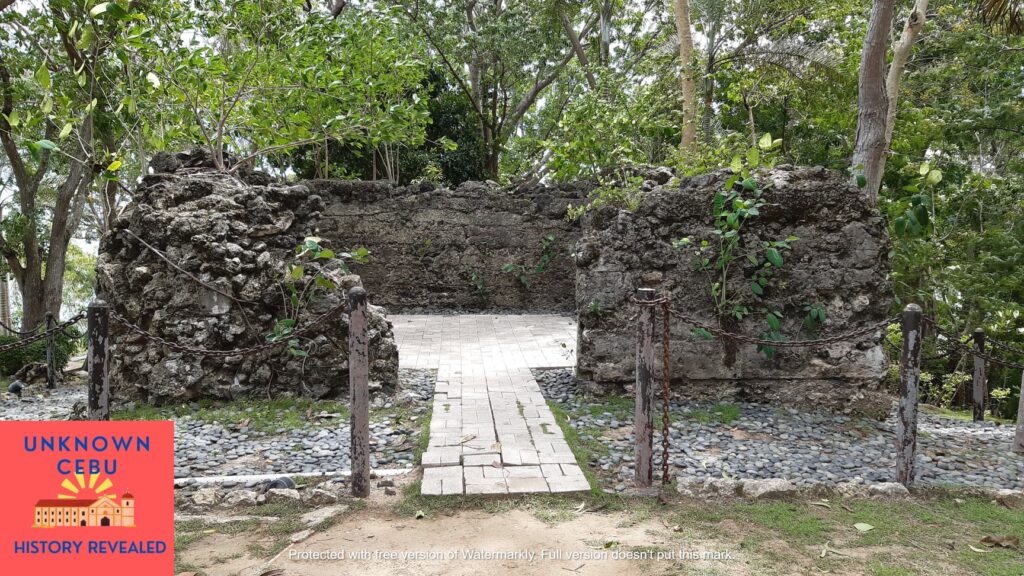
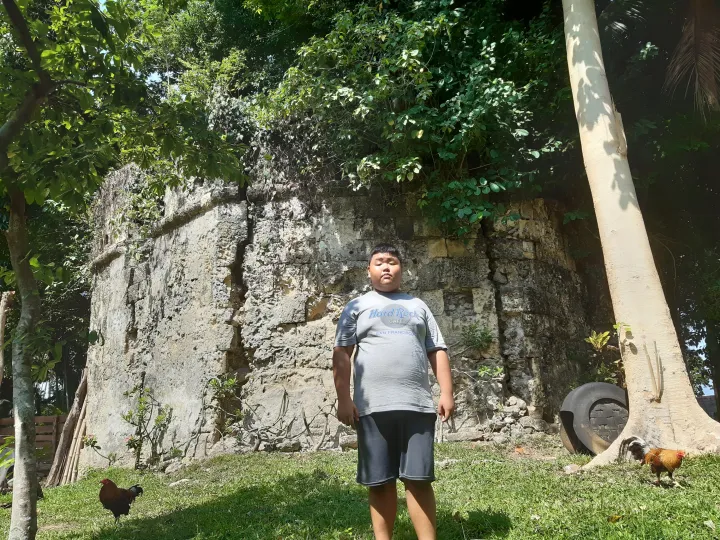
6. Tungkop Watchtower, Minglanilla | Located on a promontory near the ocean | Note: Watchtower still exists in a renovated condition as people now reside in it.
7. Obong Watchtower, Dalaguete | Located on a promontory near Obong Spring
8. Poblacion Watchtower, Dalaguete | Located in front of the church | Note: Oldest dated to 1769 based on relief.
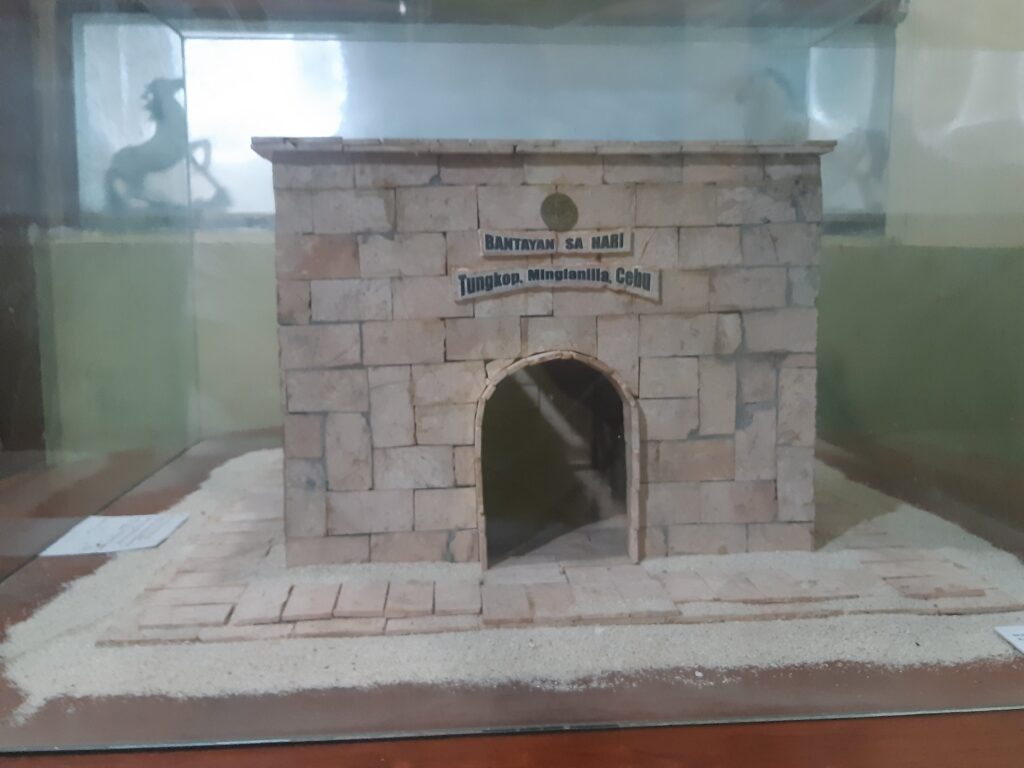
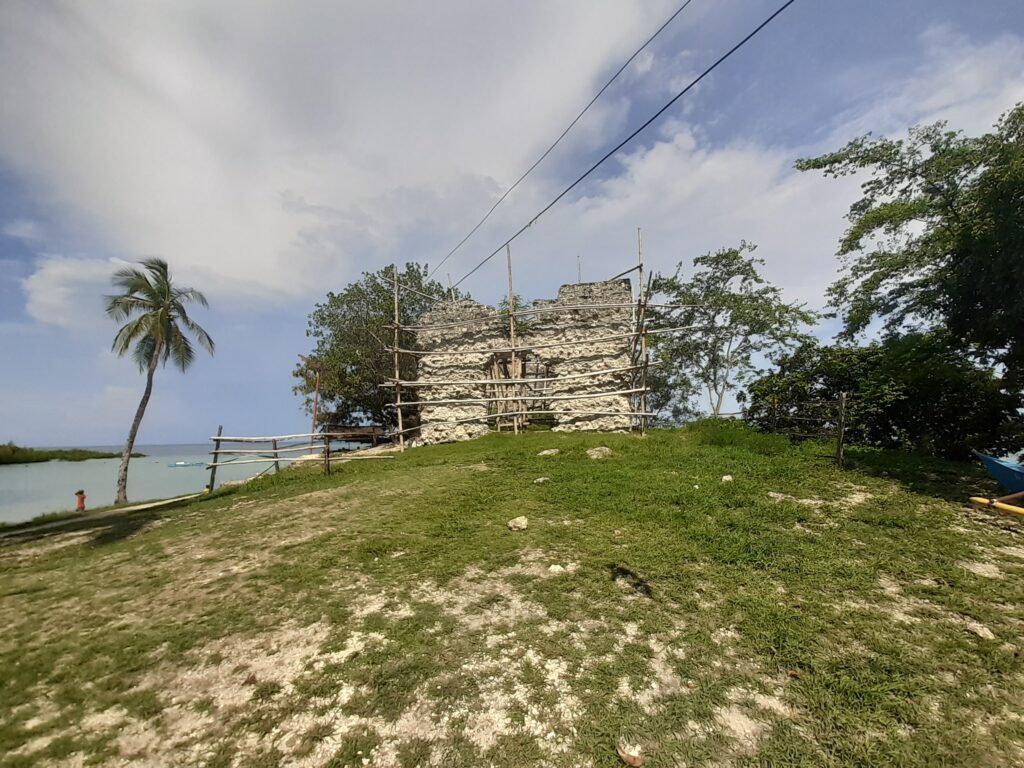
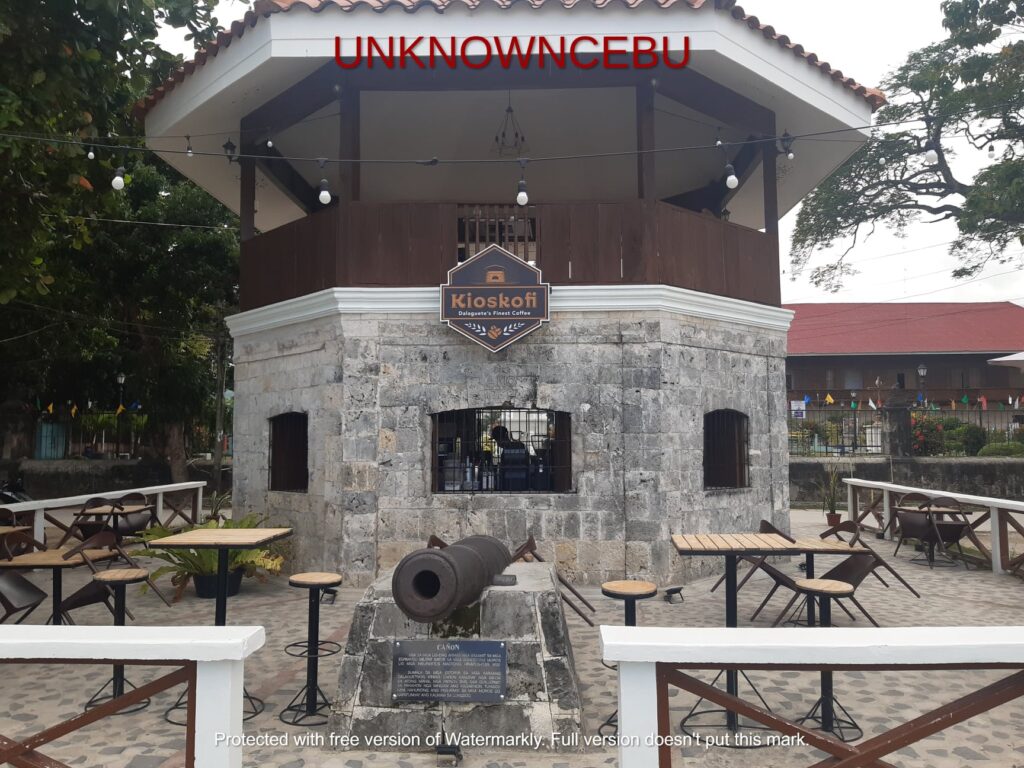
9. Looc Watchtower, Santander | Located on a promontory near port. | Note: Best preserved paletada.
10. Poblacion Watchtower, Santander | Located behind current church. | Note: Quadrilateral
11. Poblacion Watchtower, Alegria | Located in front of church in park. | Note: Mix of cut and rough stone.
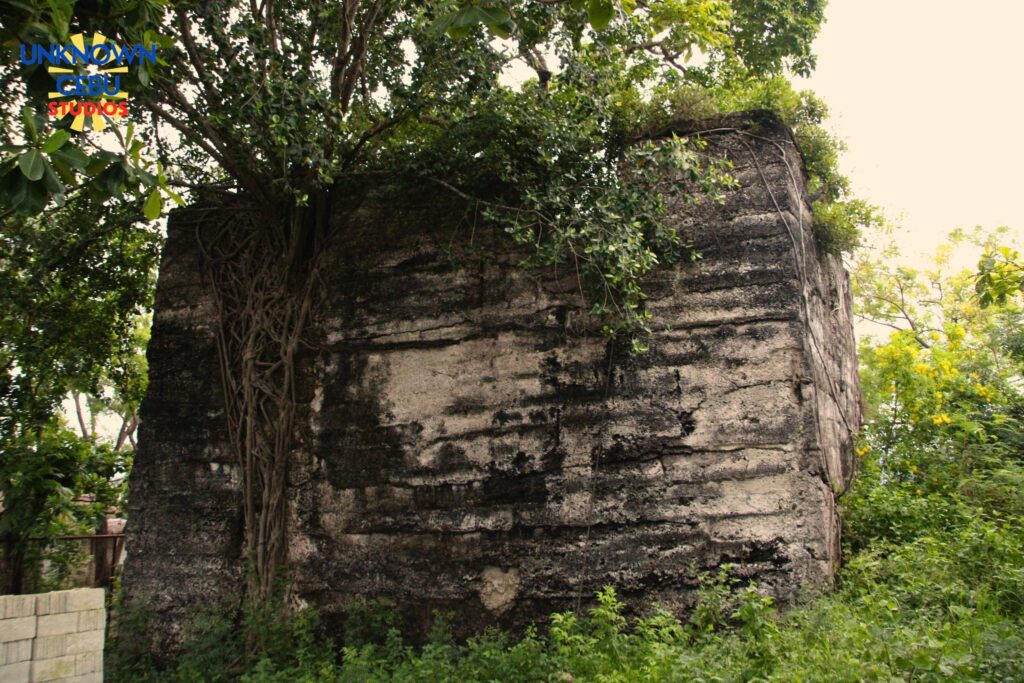
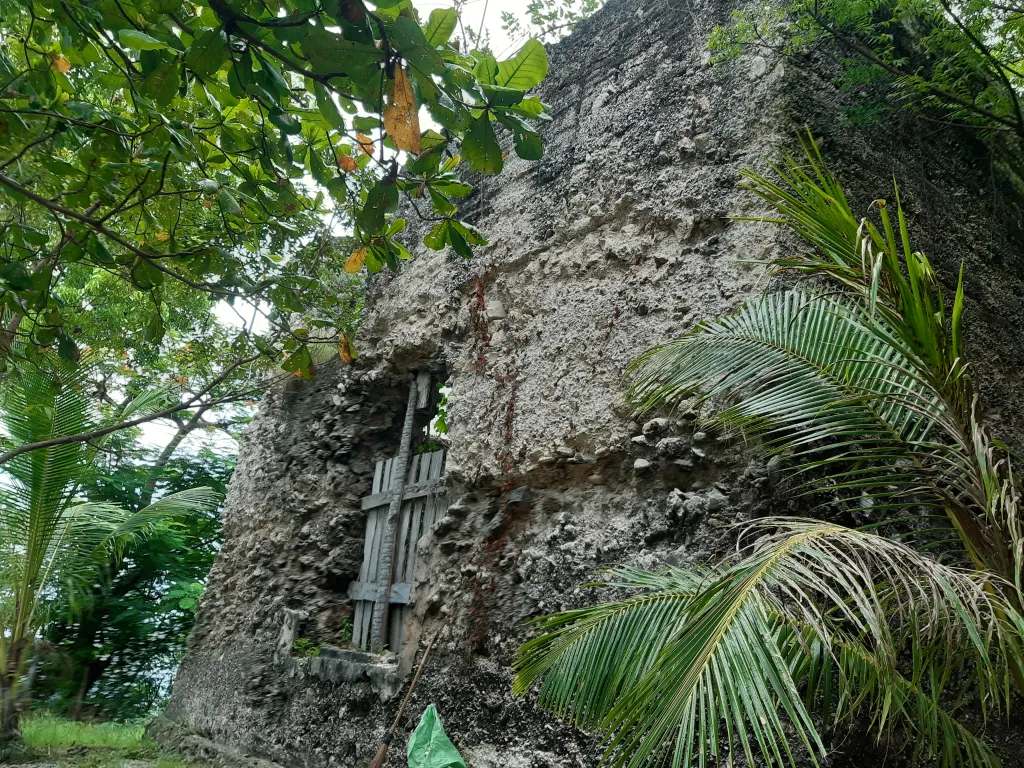
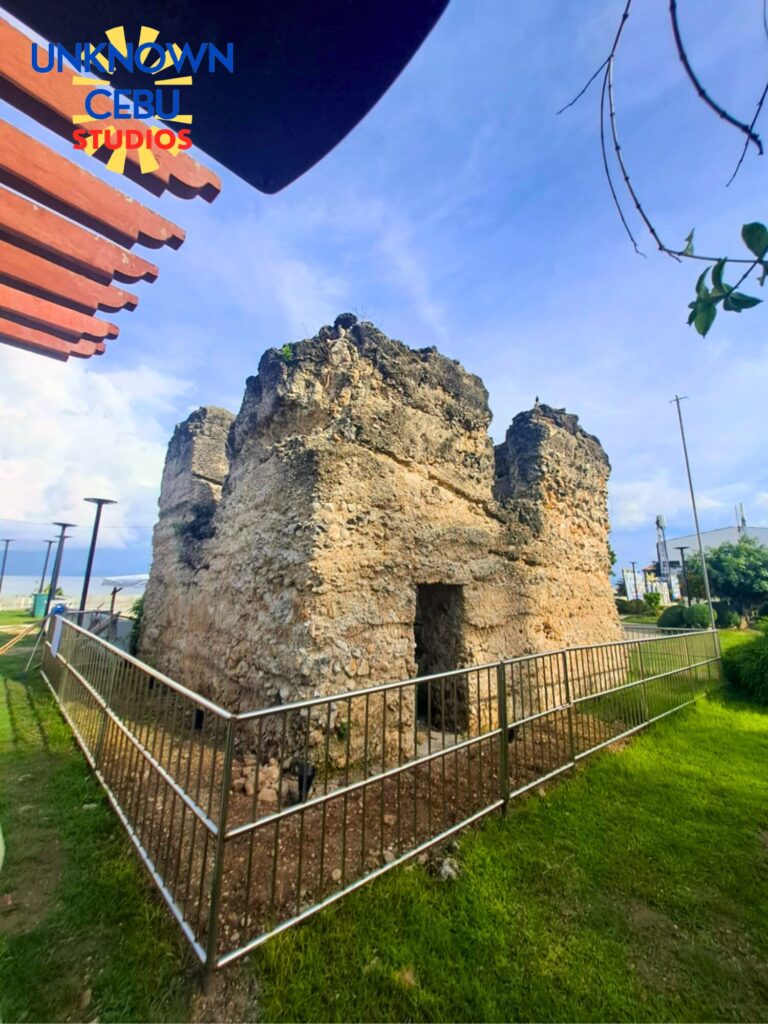
12. Poblacion Watchtower, Nueva Caceres | Located behind the church | Note: Quadrilateral
13. Daanlungsod Watchtower, Alcoy | Located along the highway on the beach | Note: Quadrilateral
14. Poblacion Watchtower, Ginatilan | Located in front of the church | Note: Part of old church walls.
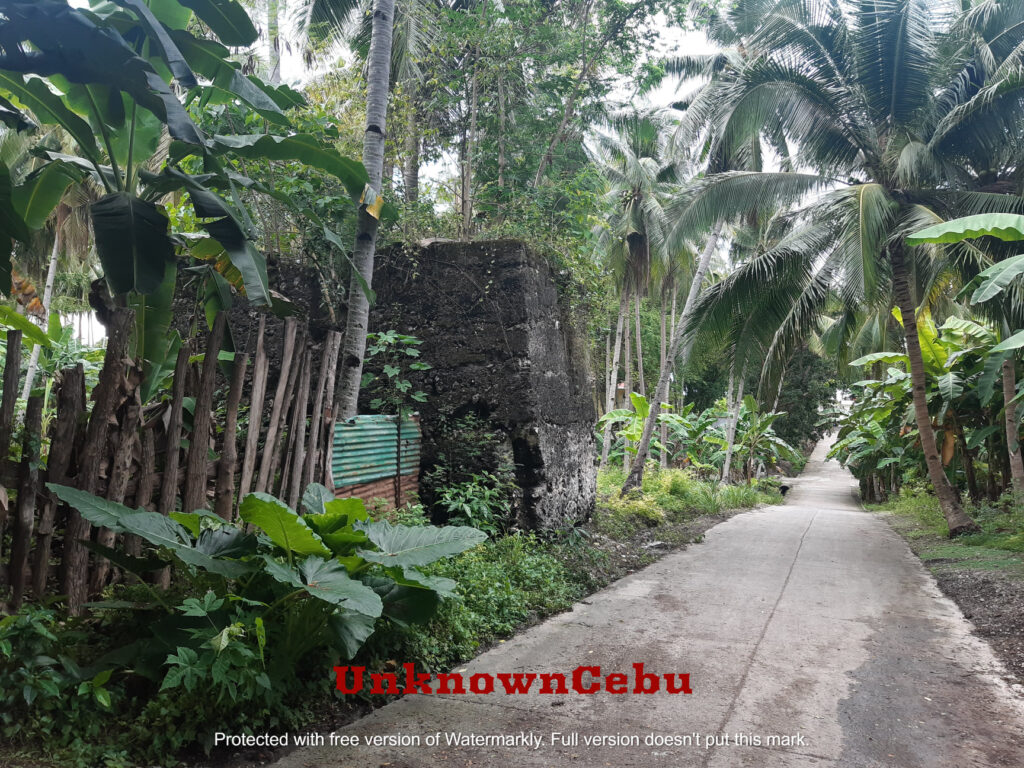
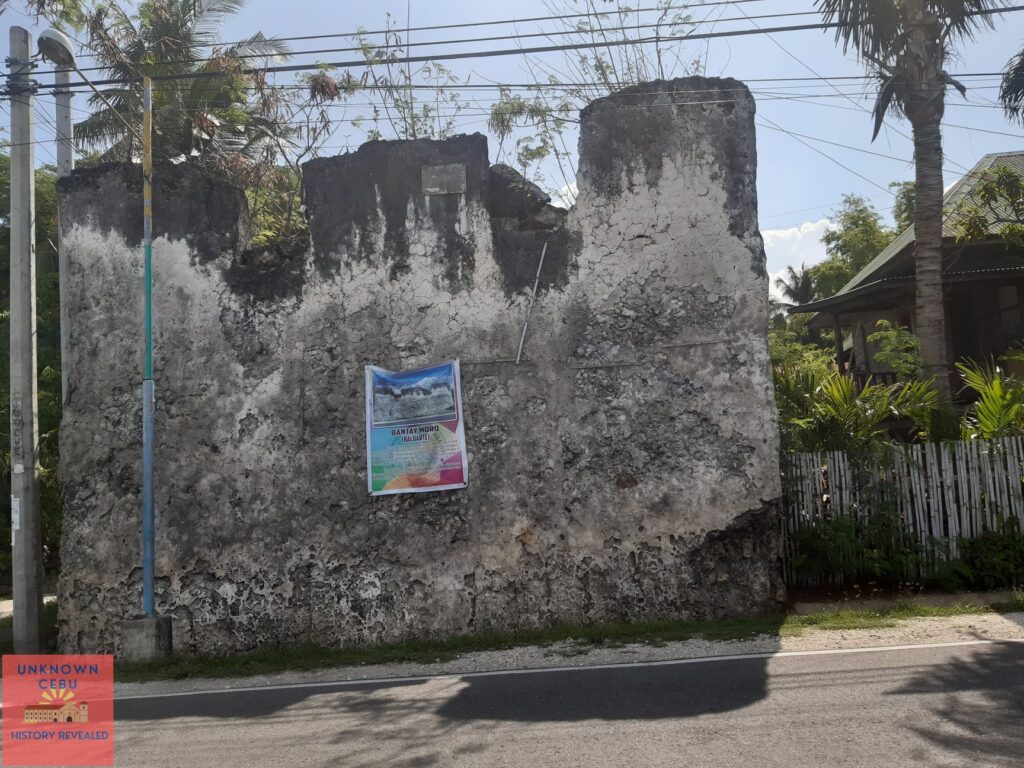
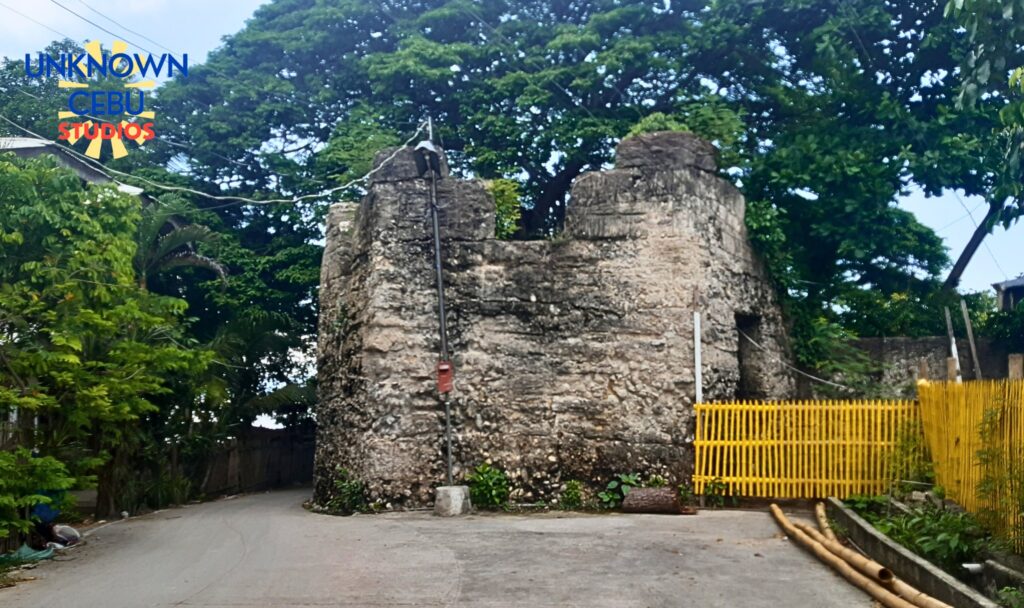
15. Poblacion Watchtower, Malabuyoc | Located in front of the church | Note: Home to a musuem.
16. Lawis Watchtower, Argao | Located at Lawis point | Note: Once used as a nun’s quarters.
17. El Gran Baluarte, Boljoon | Located in front of the church | Largest in the Philippines

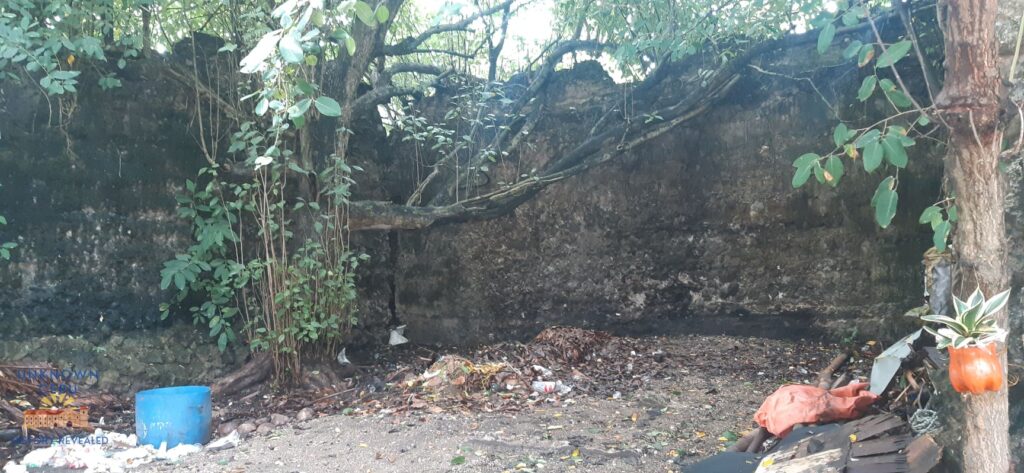
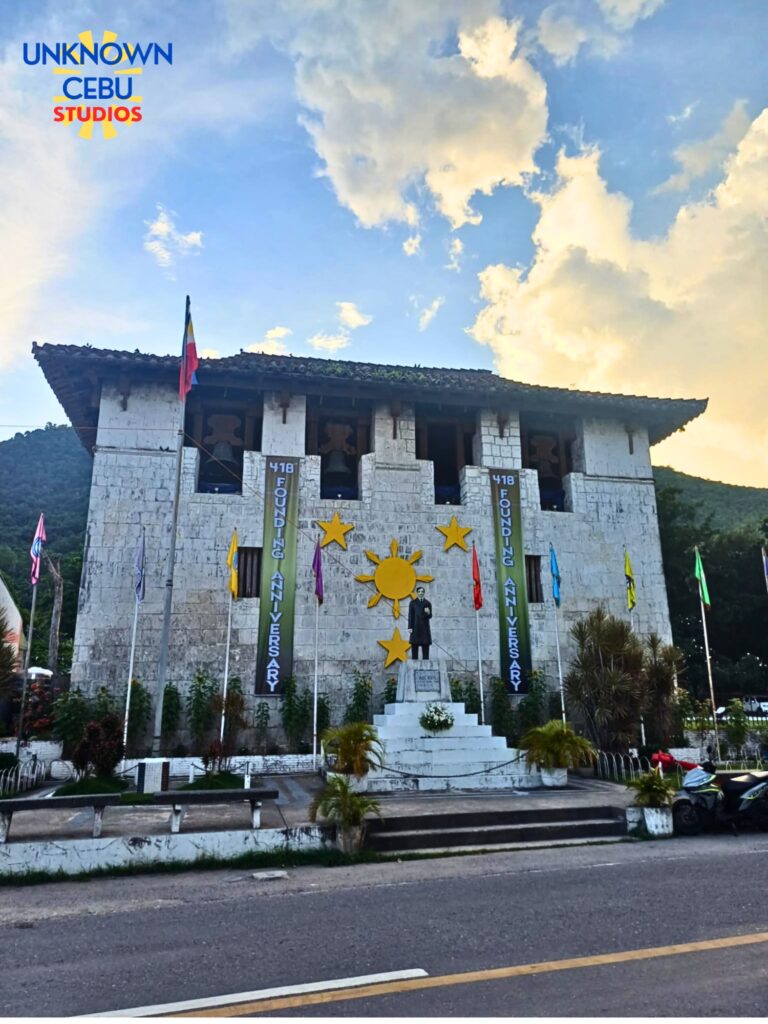
The historical watchtowers of Cebu deserve preservation because they are irreplaceable cultural heritage markers that serve as tangible evidence of the Philippines’ colonial history and the resilience of the Filipino people. These stone baluartes embody the centuries-long struggle against devastating Moro slave raids, standing as architectural testimony to the complex defense systems and community organization required for survival. Preserving them ensures that future generations can physically connect with this turbulent past, understanding the origins of their coastal communities and the importance of vigilance and self-defense. Furthermore, they are unique examples of Spanish colonial-era military engineering adapted to local threats. As many are already in ruins, their conservation is critical to safeguarding their educational, historical, and architectural value, transforming them from mere relics into enduring landmarks of local identity and national history.


