
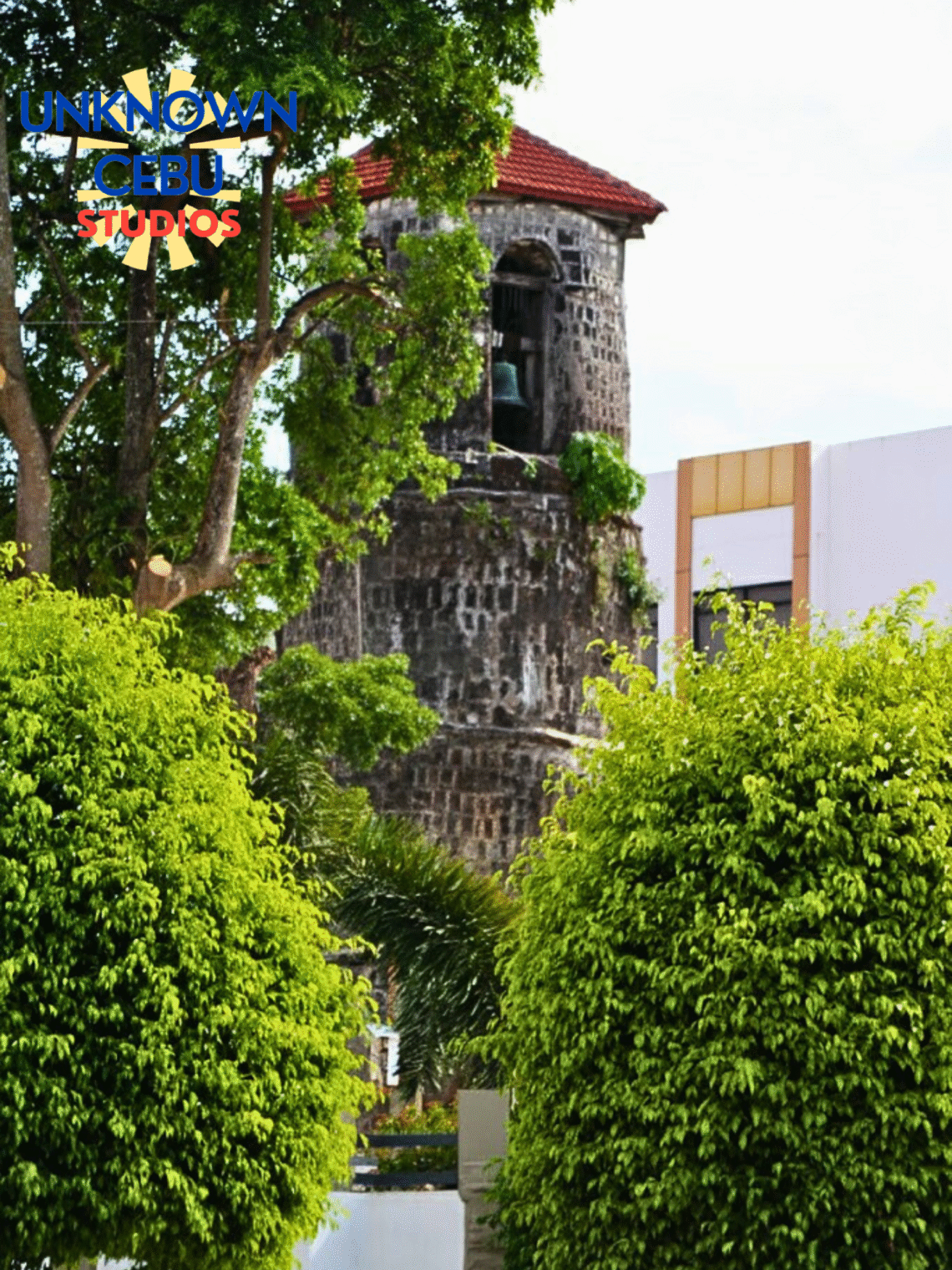
Have you ever arrived at Siquijor Port and been immediately greeted by a looming, solitary stone tower? That’s the Siquijor Belltower or Watchtower of the St. Francis of Assisi Parish Church in Poblacion, and trust me, it’s more than just a place for ringing bells. It’s the island’s original stone sentinel, a silent, centuries-old guardian that holds the blueprint of Siquijor’s earliest defense system. This imposing structure is a foundational piece of the island’s history, a true military-ecclesiastical hybrid that was the first thing colonial travelers saw and the last line of defense against the terrifying raids that once plagued the Visayan seas. It’s officially recognized by the National Historical Institute (NHI) for a reason—this tower is the beating heart of Old Siquijor.
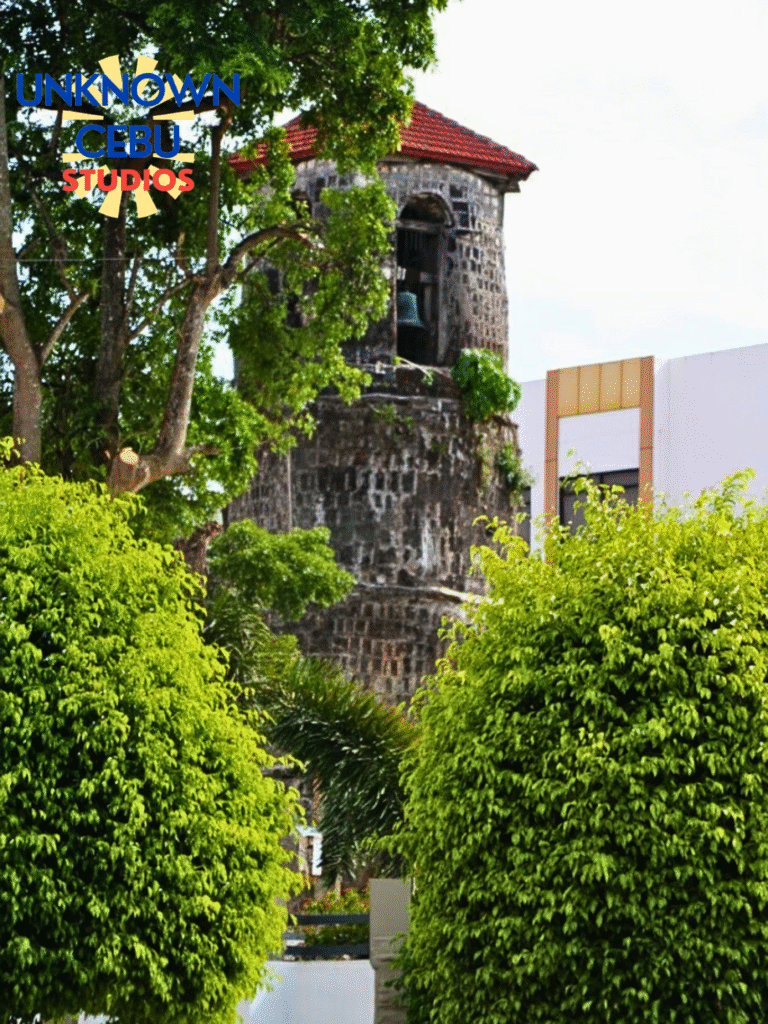
The entire St. Francis of Assisi complex—comprising the church, convent, and this detached bell tower—is the oldest ecclesiastical settlement on Siquijor, officially founded in 1783. The Augustinian Recollects (OAR), who took over the administration around 1793, were the master builders. They started the substantial stone church in 1795, finishing it in 1831. But their most pressing concern wasn’t just faith; it was survival. The mid-18th and 19th centuries were the peak of the Moro piratical raids—the tulisang-dagat—and this pervasive threat fundamentally shaped the architecture. The NHI marker itself confirms this: the kumbento (convent) was deliberately constructed “katulad ng isang kuta” (like a fort) to provide sanctuary for the community during attacks. The bell tower, built strategically on a small, elevated hill facing the sea, was the necessary complement to this fortress.
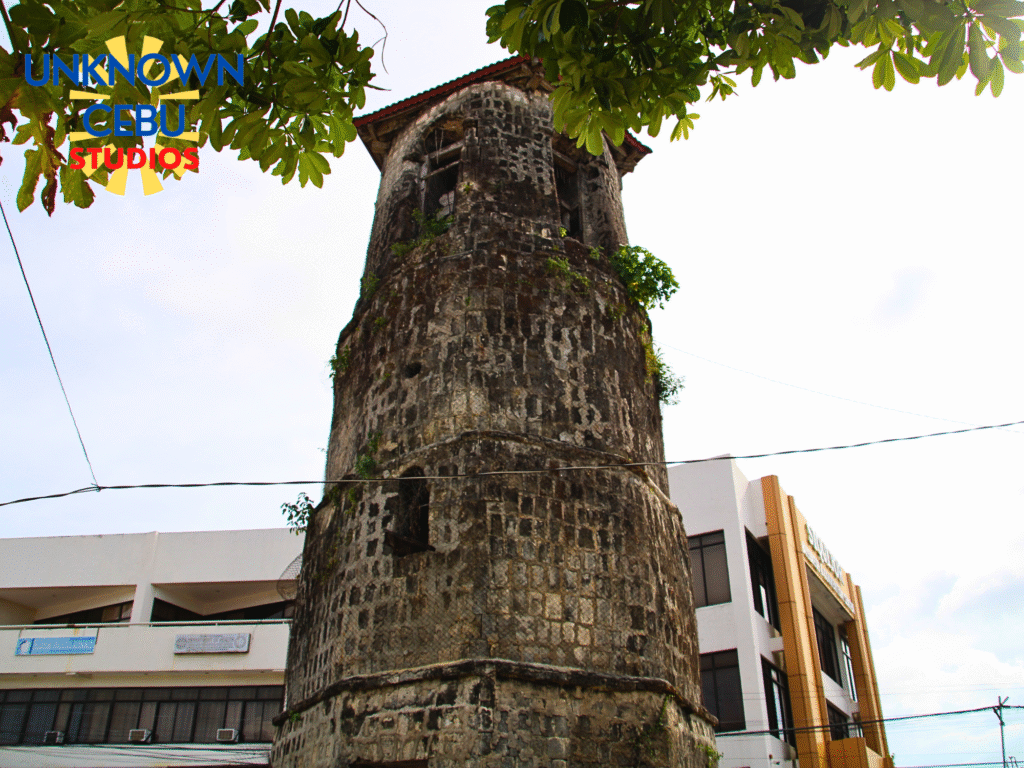
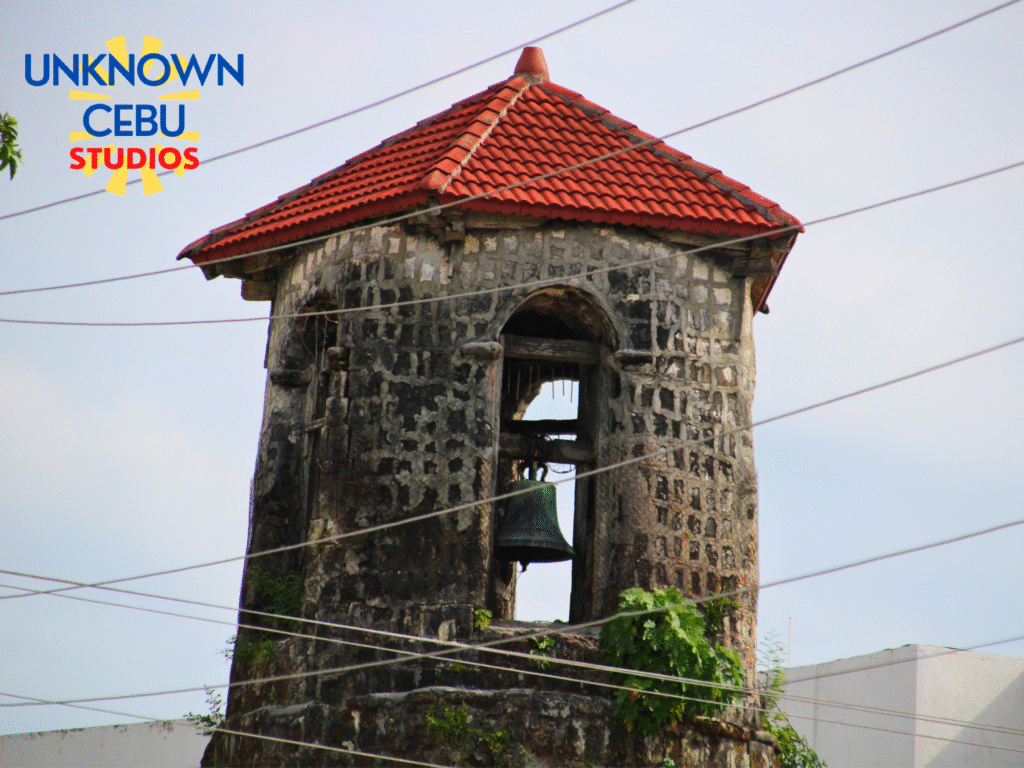
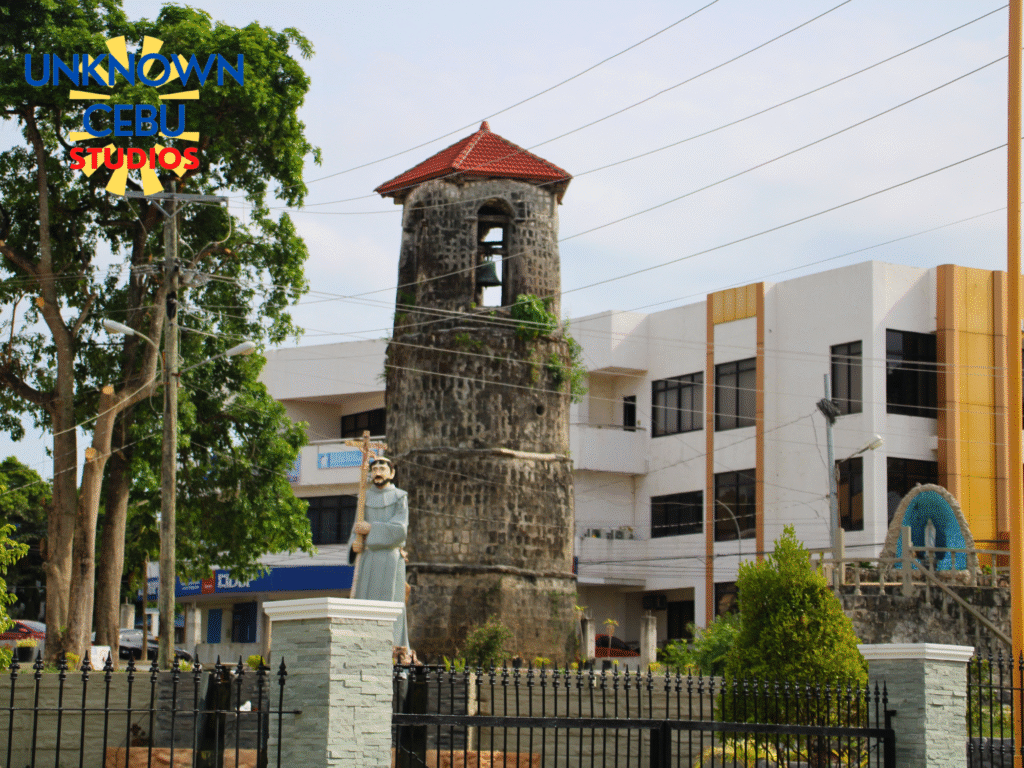
This is where the tower’s dual nature comes into play. It is, by definition, a campanario (bell tower), housing antique bells—some documented to be more than 200 years old—that marked liturgical hours. But its functional definition is bantayan (watchtower). The military necessity demanded that the structure be physically detached from the main church. Why? To ensure unhindered 360-degree sightlines for coastal surveillance. Its elevated position was optimal for early detection, allowing the community crucial time to retreat to the safety of the fortified convent. Even if the church was breached, the tower could remain operational, signaling adjacent settlements. The very architecture of the Siquijor Belltower, made of durable coral stone and adobe, confirms the priority: military utility over liturgical integration.
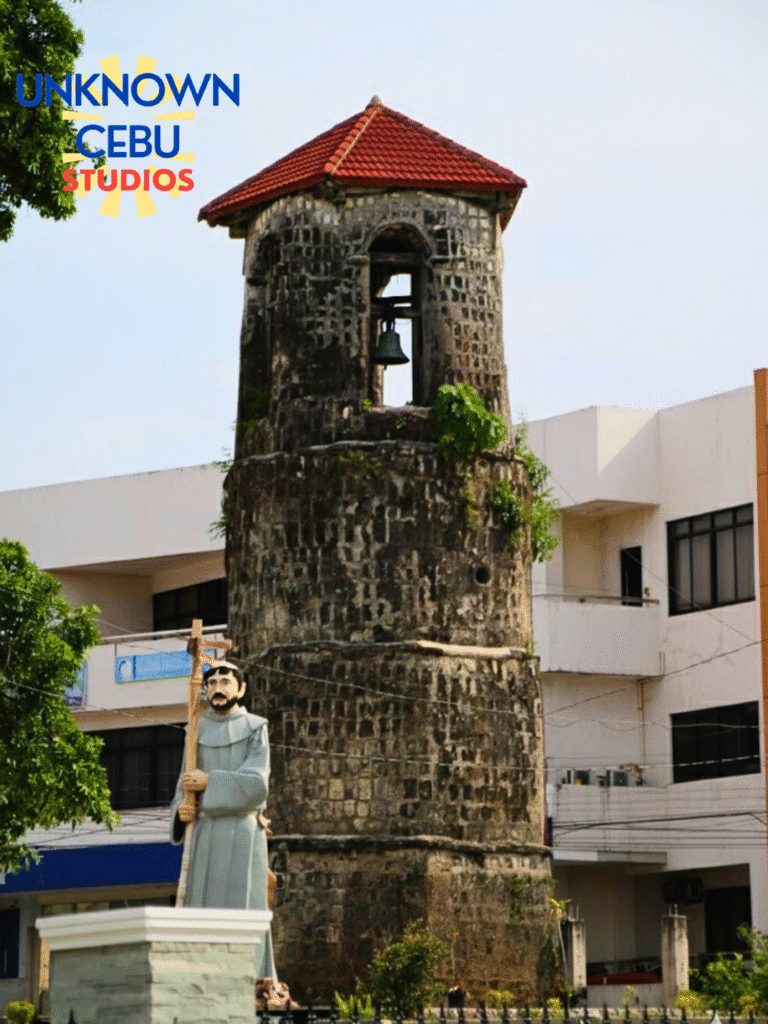
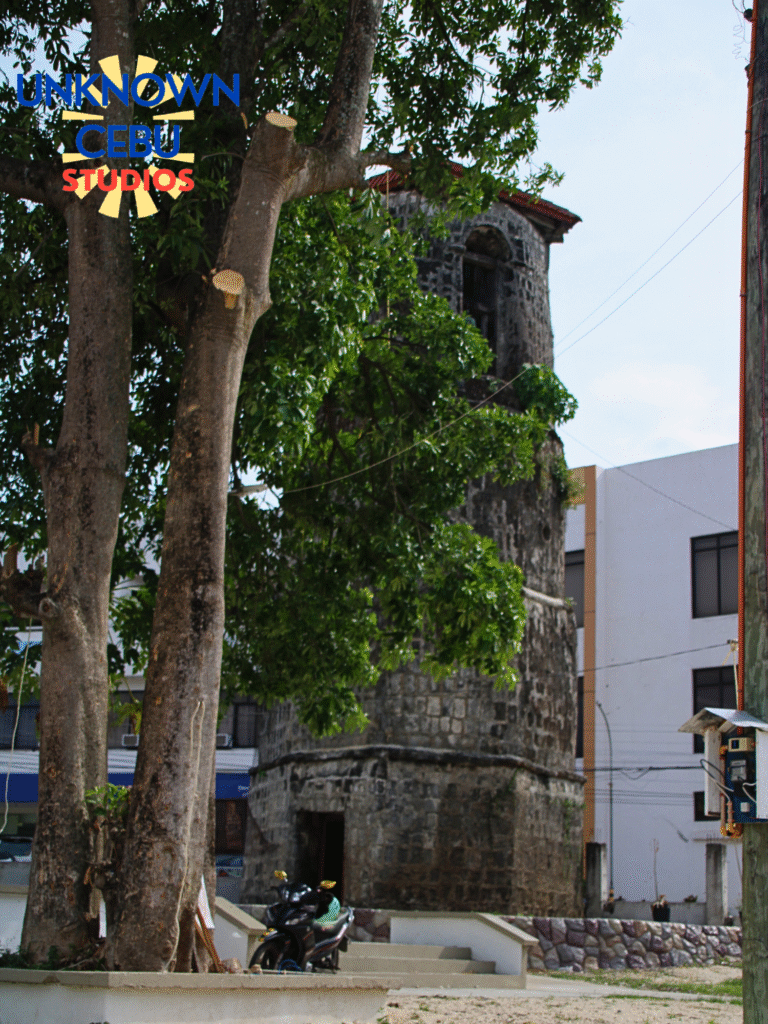
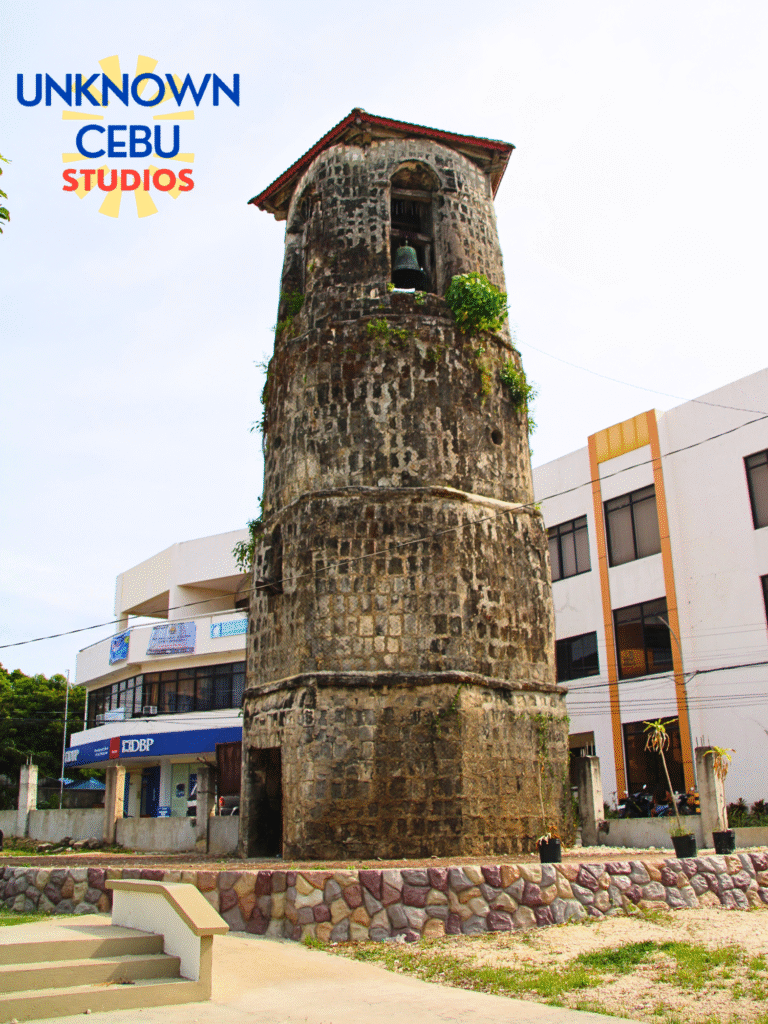
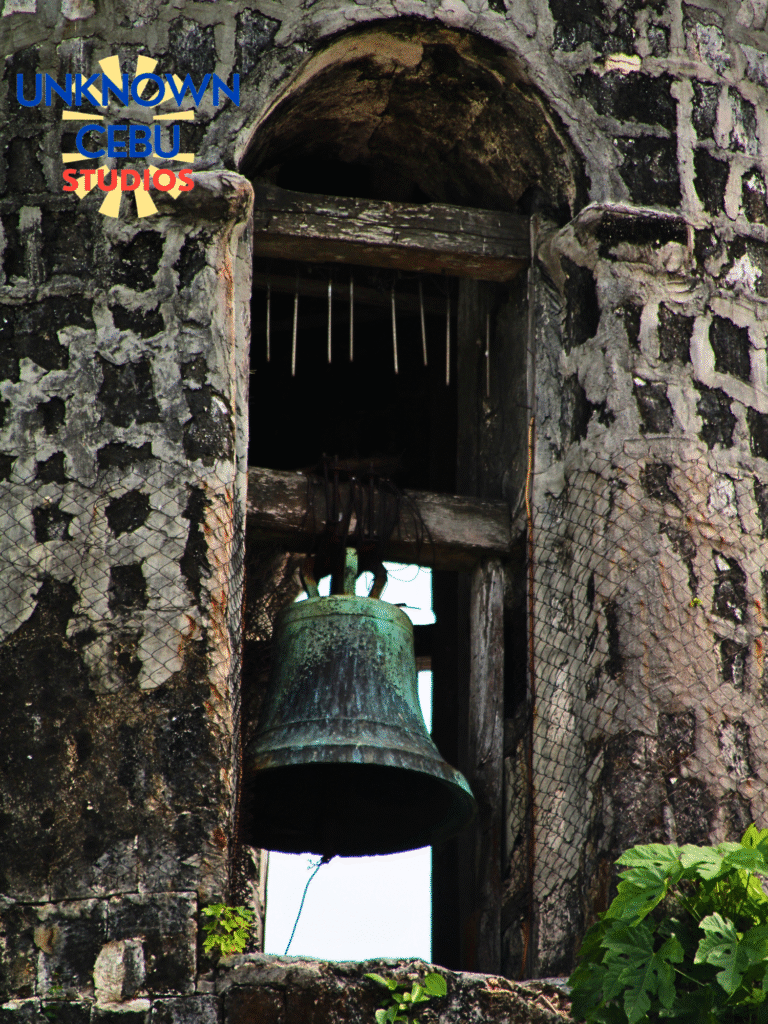
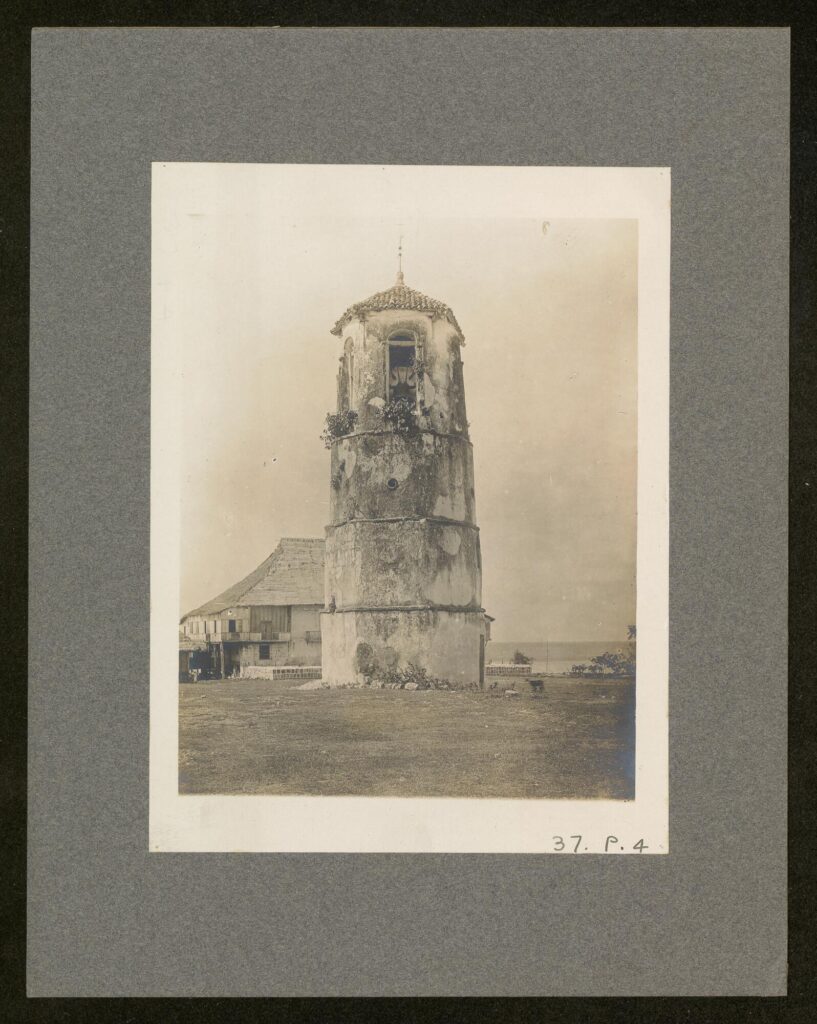
The actual construction timeline presents a fascinating anomaly. While the stone church was finished in 1831, one source suggests the tower was finalized much later, in 1891. This late date seems highly inconsistent with the most intense period of pirate raids (early to mid-19th century). It’s incredibly unlikely that Siquijor’s primary defensive sentinel would achieve its permanent form just seven years before the end of Spanish rule. The 1891 date most likely refers to a final, large-scale renovation, perhaps the completion of the uppermost belfry tier or the installation of newer bells, coinciding with the OAR’s late-century building boom (like the completion of the massive Lazi convent in the same year) or, it could also be possible that people have misattributed the 1891 construction date of the Lazi convent to this belltower-watchtower. On another note, there is a chance that the date of 1891 has been claimed as the date of construction because it was the date that an archival photo of the watchtower was taken. Regardless, I propose that the tower was built alongside the church in the 1820s and 1830s. The fact that it houses ancient bells and its function was critical means the tower’s role as an operational bantayan must have been established decades prior to this final architectural flourish.
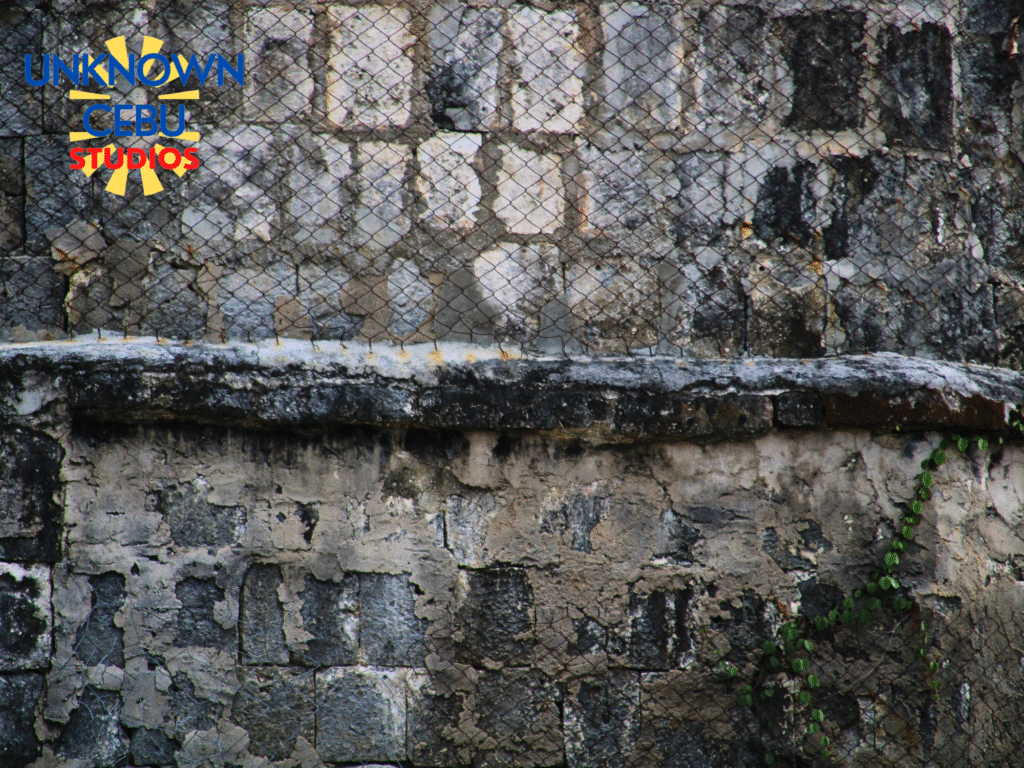
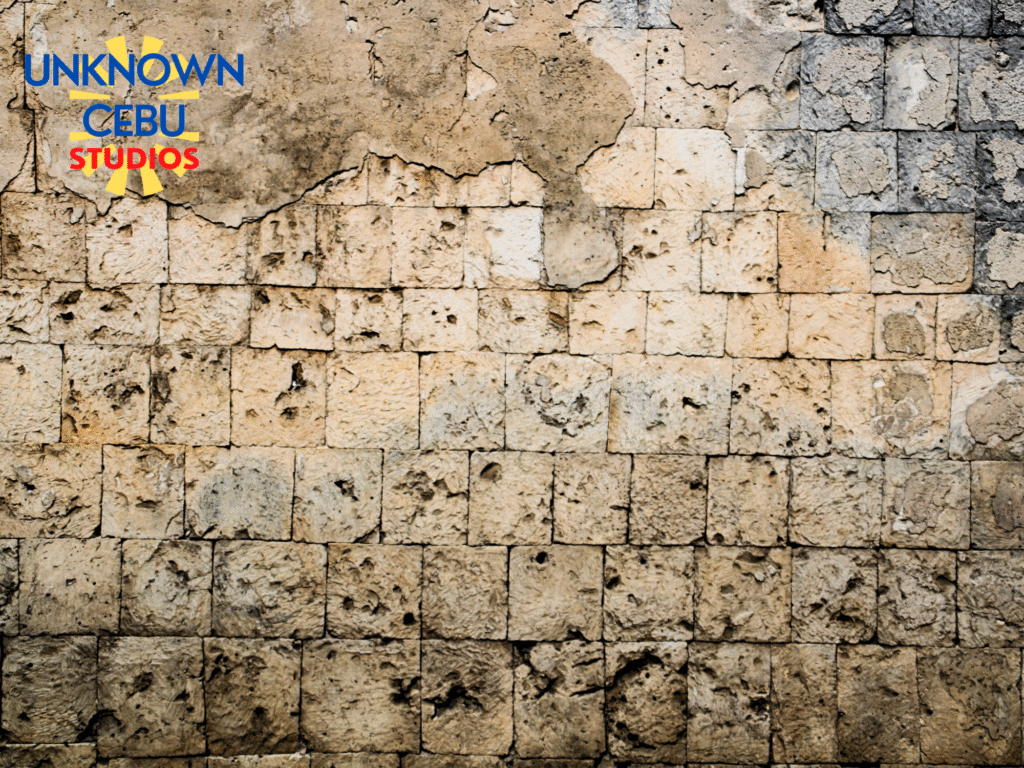
The Siquijor Belltower is not just a local relic; it’s a vital, integrated element of the vast Spanish coastal defense network across the Visayas. It shares its DNA with structures like the Punta Cruz Watchtower in Bohol and the Bantayan sa Hari in Cebu—all built to counter the exact same tulisang-dagat threat. However, its material composition—porous coral stone in a high-salt, maritime environment near the port—poses a significant long-term conservation challenge. The constant salt crystallization and chloride ingress accelerate the degradation of the lime mortar binding the rubble core. Future preservation efforts must employ specialized strategies to save this foundation of Siquijor’s history from the very sea it was built to guard against.
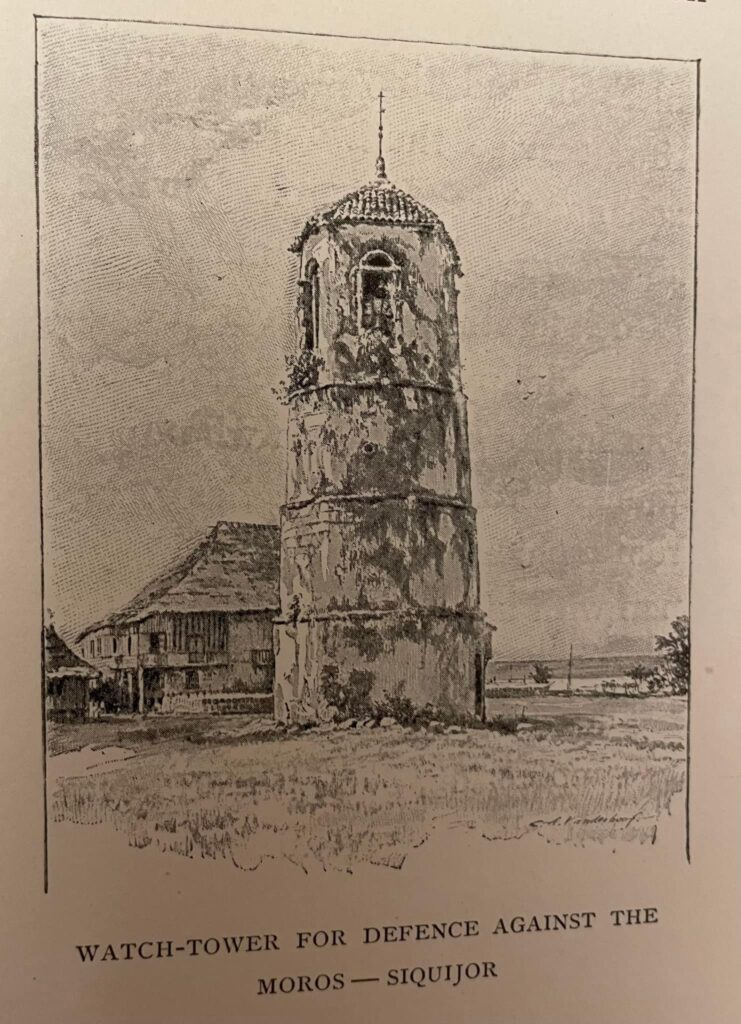
While the St. Francis complex is chronologically the oldest and possesses a demonstrable defensive configuration, it currently holds a Level II Historical Marker. In contrast, the later-built, architecturally grander Lazi Church and Convent holds the superior National Cultural Treasure status. This discrepancy suggests a potential undervaluation of the Siquijor complex’s historical primacy and unique defensive typology. This Belltower-Watchtower, with its centuries-old stone and stories of pirate raids and communal defense, is a tangible link between Siquijor’s documented colonial past and its enduring, mystical identity. It is truly the island’s sentinel, and its foundational importance warrants a critical reassessment and elevation in national heritage status.
Sources:
National Historical Commission of the Philippines (NHCP). “Simbahan ng Siquijor.” Accessed November 22, 2025. https://philhistoricsites.nhcp.gov.ph/registry_database/simbahan-ng-siquijor/
. The World Bank. “Multi-hazard Vulnerability Assessment of Priority Cultural Heritage Structures in the Philippines.” Accessed November 22, 2025. https://documents1.worldbank.org/curated/en/280441598040689867/txt/Multi-hazard-Vulnerability-Assessment-of-Priority-Cultural-Heritage-Structures-in-the-Philippines.txt
. Philippine Social Science Journal. Article View 87. Accessed November 22, 2025. https://philssj.org/index.php/main/article/view/87
. Wikipedia. “Punta Cruz Watchtower.” Accessed November 22, 2025. https://en.wikipedia.org/wiki/Punta_Cruz_Watchtower
8
. Siquijor Directory. “St. Francis of Assisi Church.” Accessed November 22, 2025. https://siquijordirectory.com/directory/stfrancisassisichurch/
. Siquijor Island Realty. “Churches in Siquijor.” Accessed November 22, 2025. https://siquijorislandrealty.ph/churches-in-siquijor/
. Guide to the Philippines. “Punta Cruz Watch Tower.” Accessed November 22, 2025. https://guidetothephilippines.ph/destinations-and-attractions/punta-cruz-watch-tower
. NHCP Historic Sites. “Simbahan ng Siquijor.” October 2011. Accessed November 22, 2025. https://nhcphistoricsites.blogspot.com/2011/10/simbahan-ng-siquijor.html
. Lantaw. “Siquijor Churches on the Heritage Trail.” April 2012. Accessed November 22, 2025. https://www.lantaw.com/2012/04/siquijor-churches-on-heritage-trail.html
. Heritage Conservation. “Siquijor Category.” Accessed November 22, 2025. https://heritageconservation.wordpress.com/category/siquijor/
. Heritage Conservation. “Siquijor Church and Convent.” July 27, 2006. Accessed November 22, 2025. https://heritageconservation.wordpress.com/2006/07/27/siquijor-church-and-convent/
. Evendo. “Siquijor Belltower.” Accessed November 22, 2025. https://evendo.com/locations/philippines/siquijor/landmark/siquijor-belltowe
. Secure Adventures. “Lazi Convent and San Isidro Church Siquijor.” Accessed November 22, 2025. https://secureadventures.com/lazi-convent-san-isidro-church-siquijor/
. Tita’s Travels. “Siquijor Heritage Museum Tag.” Accessed November 22, 2025. https://titastravels.wordpress.com/tag/siquijor-heritage-museum/
. Kalachuchi Blog. “Siquijor Legends, Mysteries, Old Tales, Beliefs Explored.” Accessed November 22, 2025. https://www.blog.kalachuchi.com/siquijor-legends-mysteries-old-tales-beliefs-explored/
. Subselfie. “The Ghosts of Siquijor.” October 29, 2015. Accessed November 22, 2025. https://subselfie.com/2015/10/29/the-ghosts-of-siquijor/
. The Hut Owner. “Siquijor’s Hidden by Rhum Sellers.” January 31, 2014. Accessed November 22, 2025. https://thehutowner.wordpress.com/2014/01/31/siquijors-hidden-by-rhum-sellers/
. Scarlet Scribs. “The Mystical World of Siquijor.” May 9, 2025. Accessed November 22, 2025. https://scarletscribs.wordpress.com/2025/05/09/the-mystical-world-of-siquijor/
. Scribd Document. “Sure Reading Text.” Accessed November 22, 2025. https://www.scribd.com/document/540307587/Sure-Reading-Text
. Wikimedia Commons. “File: Simbahan ng Siquijor NHI historical marker.jpg.” Accessed November 22, 2025. https://commons.wikimedia.org/wiki/File:Simbahan_ng_Siquijor_NHI_historical_marker.jpg.


