

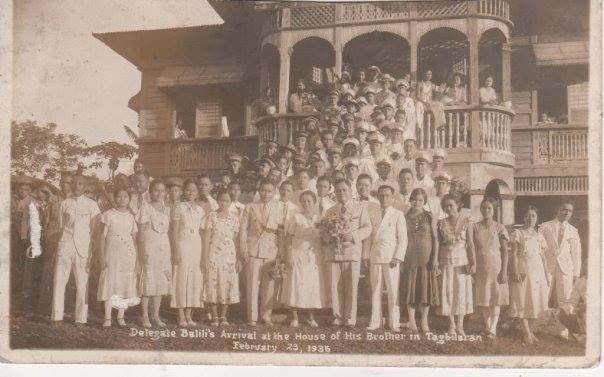
I’ve been tracking down the real stories of the Visayas, the ones that anchor history in architecture, and my latest stop in Tagbilaran City, Bohol, delivered gold. Forget the Chocolate Hills for a moment; the real star is the Balili Ancestral House, now operating brilliantly as the Oasis Balili Heritage Lodge. This mansion, a masterpiece of wood and style completed around 1934, is a critical cultural document. It was commissioned by Eladio Balili, a self-made titan who masterfully balanced two lives: a respected history teacher and a multi-faceted businessman (dried fish, lumber, furniture, and logistics) . The house wasn’t just a home; it was a physical manifestation of his vertical integration—a lavish showcase of expensive, high-quality timber and intricate craftsmanship only a multi-business magnate could afford. Architecturally, it’s a rare provincial example of Art Nouveau and Art Deco fusion, flaunting elaborate, flowing lines, profuse arches, and callados (decorative transoms) carved with a sophisticated artistry that puts many capital-city structures to shame. Its immense scale and prestige instantly made it the political and social nexus of Bohol, ready to host the nation’s elite.

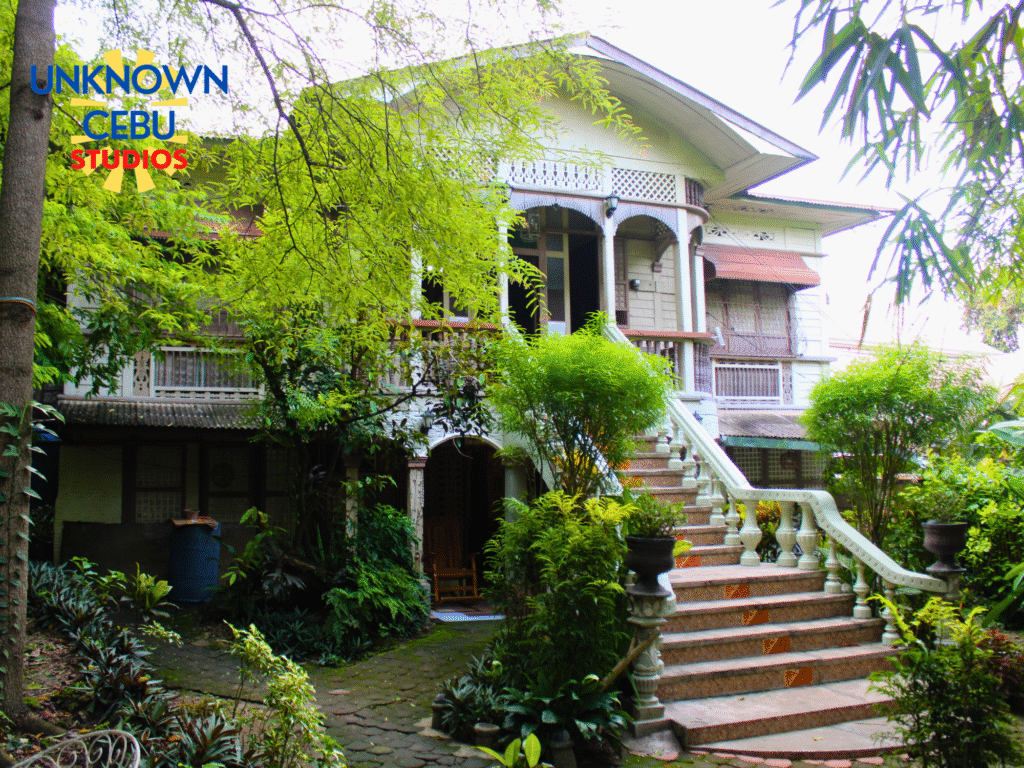

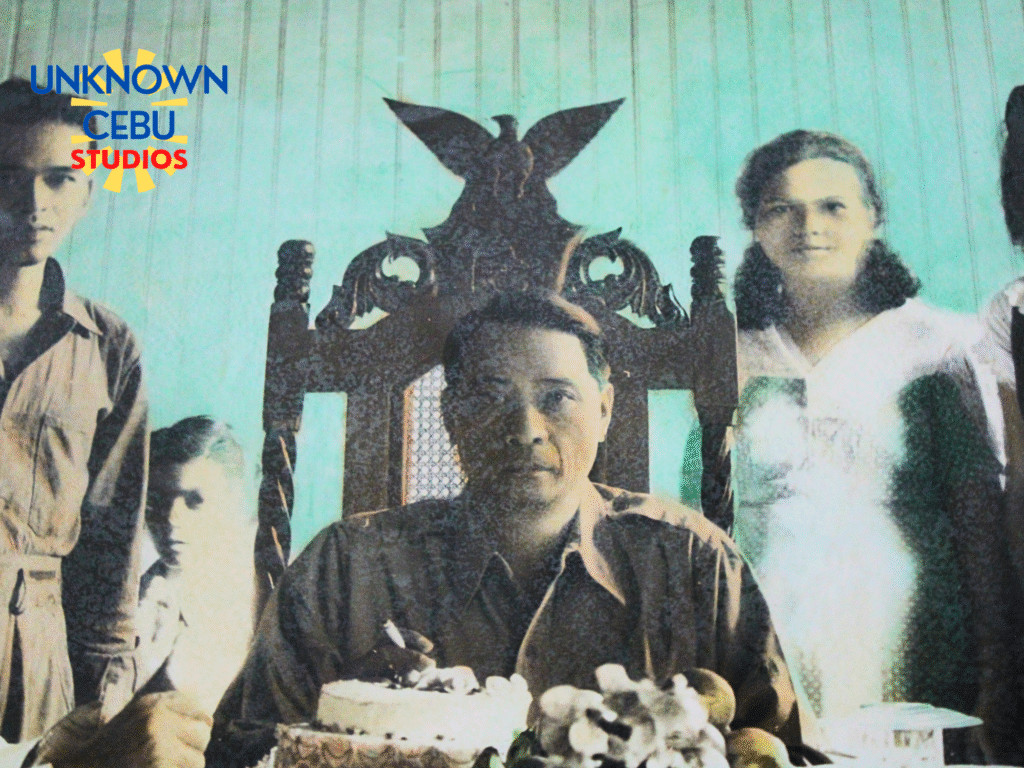
The house’s primary function was dramatically inverted by World War II, marking one of the most abrupt historical shifts in its life. Before the war, it was a high-profile political salon, leveraging the influence of Eladio’s brother, former Governor Perfecto Balili. Historical records confirm that national heavyweights like then-President Manuel Roxas and Senator Elpidio Quirino met here, strategizing the future of the Philippine Commonwealth from the comfort of the Balili family’s drawing room. This period of Filipino political ascendancy was brutally cut short in March 1942. Due to its size, architectural quality, and symbolic prestige, the mansion was immediately seized by the Japanese Imperial Army and designated as the official Command Center for the entire province. The conversion from a symbol of Filipino industrial prosperity to the physical seat of the occupation regime is chilling. Yet, this dark chapter held an unintentional benefit: military structures were protected assets, sparing the Balili House from the widespread destruction that ravaged other ancestral homes during the conflict. The house literally embodied the geographic dichotomy of the war—centralized Japanese authority in the urban mansion, contrasted sharply with the decentralized, rugged resistance efforts in the Boholano mountains.
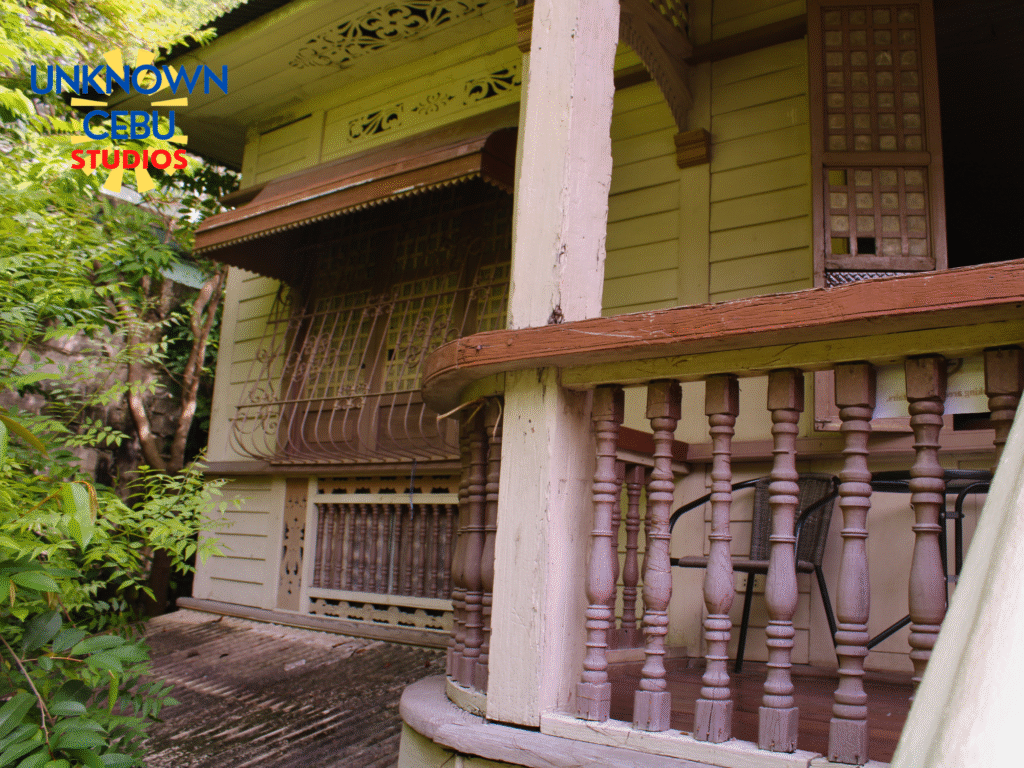


The survival story extends well into the post-war era, a time when most ancestral homes succumb to neglect. After the war, the house faced the common plight of old Philippine mansions: high maintenance costs, long-term vacancy (reportedly over a decade after 1998), and even the cultural deterrent of a local “fear of ghosts.” This is where Tagbilaran City’s forward-thinking local government stepped in. The City passed City Ordinance 356 and C-256, landmark legislation that established a heritage district council and, crucially, provided tax incentives and access to an annual heritage fund for adaptive reuse projects. This is a game-changer for heritage conservation, transforming the financial burden of maintenance into a sustainable, commercially viable enterprise. The city essentially decided to subsidize history to prevent demolition.
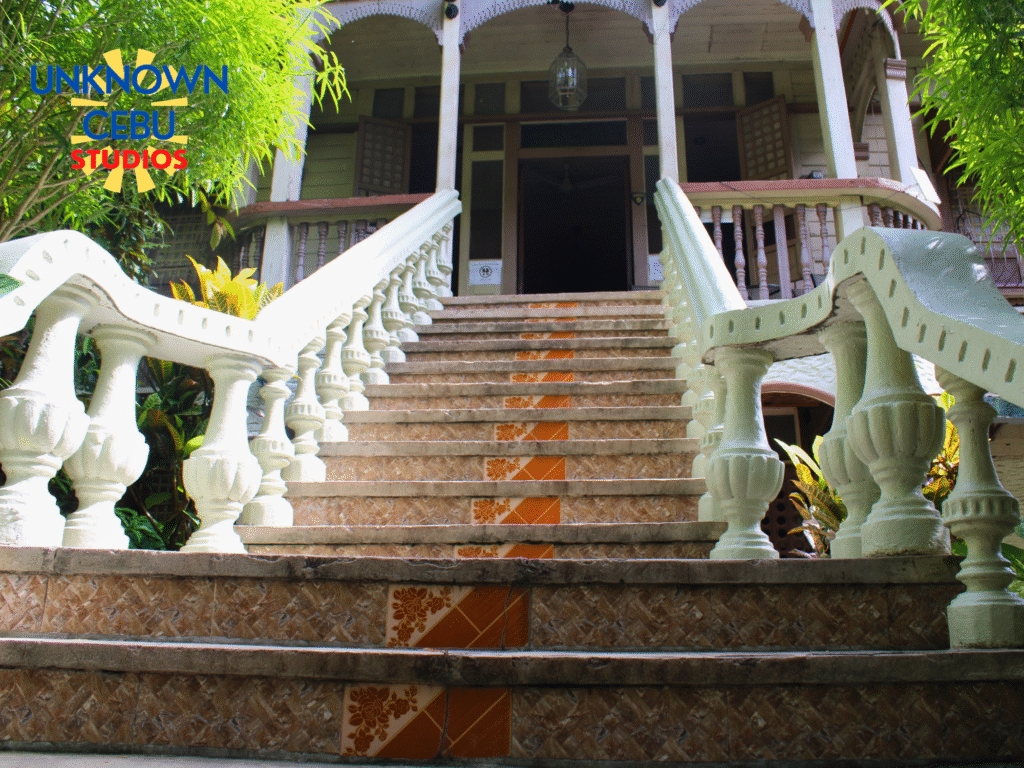

The successful outcome of this policy is the Oasis Balili Heritage Lodge. This conversion into a budget hostel is celebrated as a “perfect example of adaptive reuse.” The key to its success, guided by Eladio’s daughter, architect Gloria Balili-Katz, was a commitment to “minimal intervention respecting the historical fabric.” This meant securing the building’s financial future without compromising its aesthetic or historical integrity. As a traveler, you get to experience the sheer grandiosity of a 1930s elite residence while using it for its modern commercial purpose. This model provides the necessary consistent revenue stream to ensure the continuous upkeep of the elaborate Art Nouveau woodwork and structure, keeping the ancestral house alive, occupied, and financially secure for generations to come.


The house’s legacy has recently transcended local history to become a platform for international reconciliation and economic diplomacy. The former Japanese Command Center recently hosted Japan’s Consul General Hideki Yamaji, who expressed admiration for the house’s history and architecture. This visit was pivotal, turning a painful wartime site into a location for discussing future bilateral partnerships, such as JICA projects aimed at supporting marginalized local women in Tagbilaran. The Balili House actively leverages its dramatic, multi-layered past to generate contemporary socio-economic benefits, proving that well-preserved cultural heritage can be a powerful tool for diplomacy and community development.

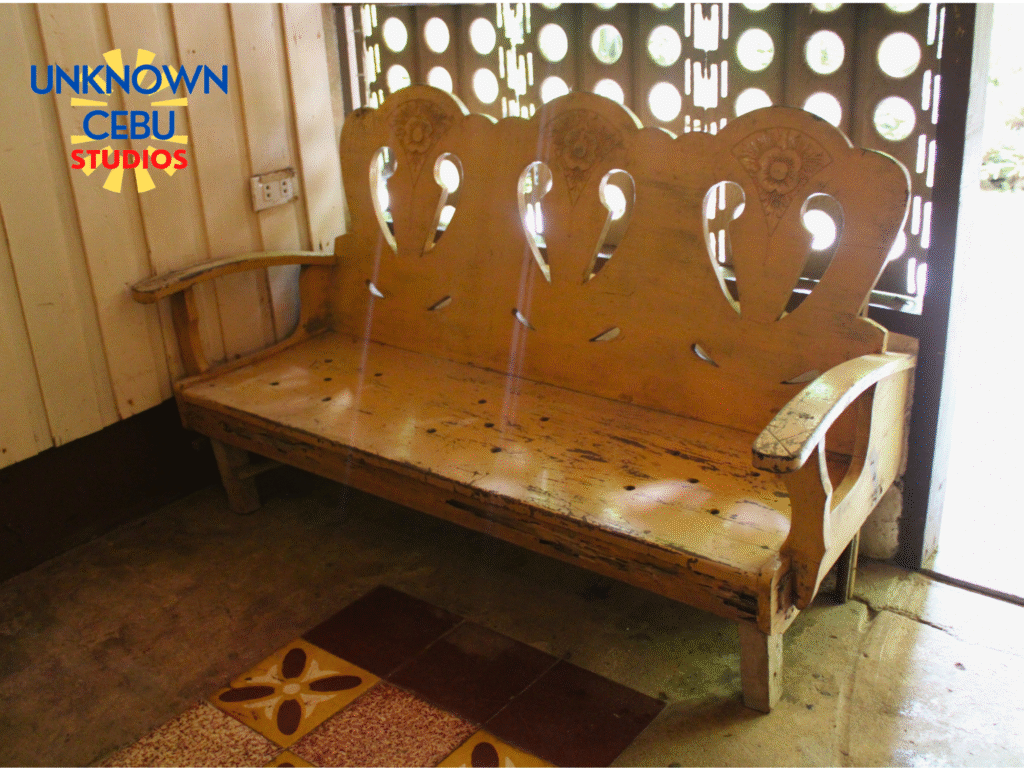
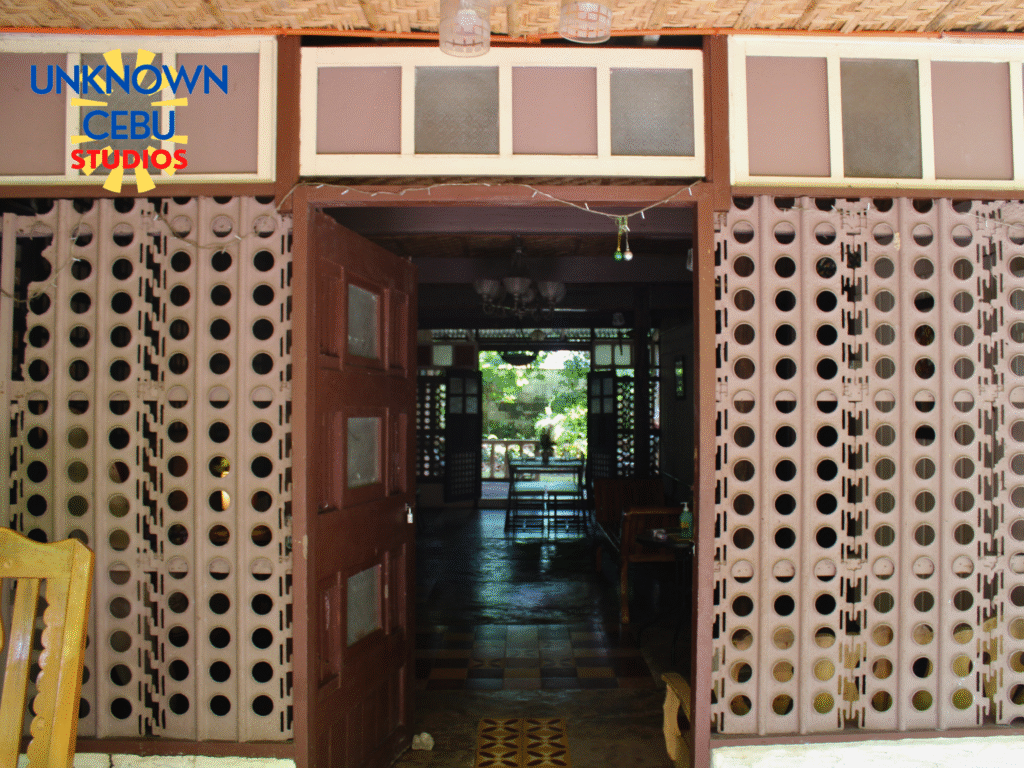
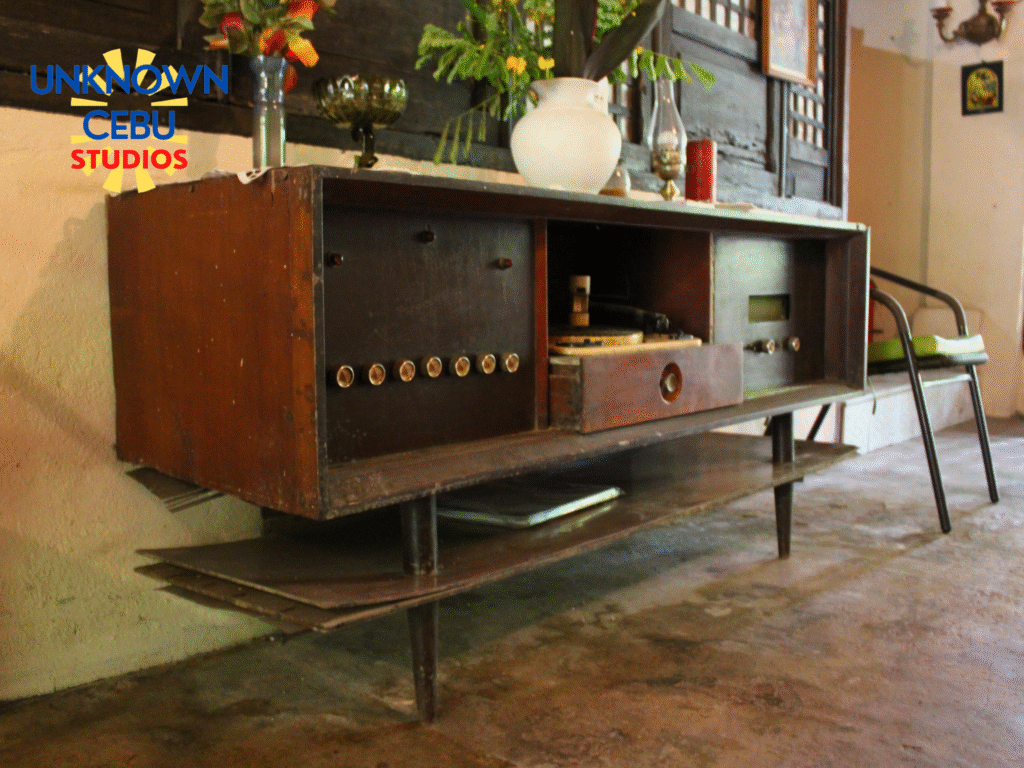
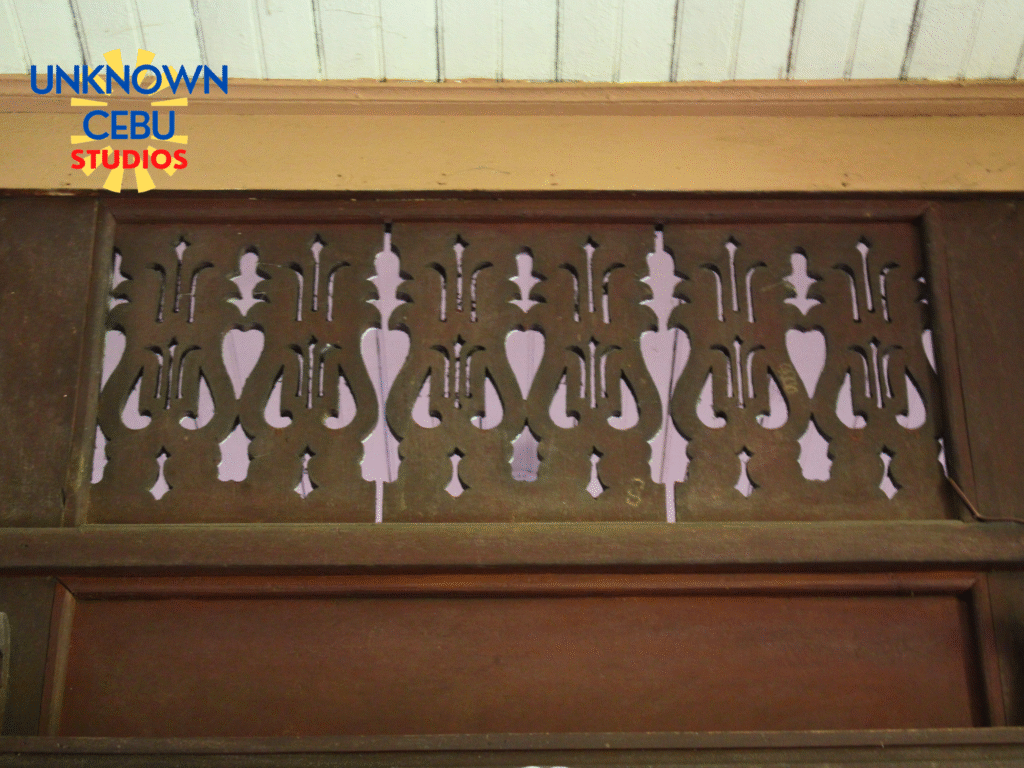
The Balili Ancestral House is more than just a gorgeous Art Nouveau building; it’s a living case study for sustainable heritage preservation in the Philippines. It synthesizes the story of a powerful industrial family, the complex political history of the Commonwealth, the trauma of wartime occupation, and the triumph of modern, localized governance. The dedication of the Balili family and the foresight of the Tagbilaran City ordinances have set an actionable blueprint for the entire Visayan region. While the pursuit of a National Historical Commission of the Philippines (NHCP) Designation remains the ultimate goal for legal protection, the structure’s current vitality proves that localized stewardship is the immediate key to enduring legacy. If you want to understand the soul of Bohol—its resilience, its wealth, and its history—you must check in here.
Sources:
Akpedonu, Erik, and Czarina Saloma-Akpedonu. Casa Boholana: Vintage Houses of Bohol. Quezon City: Ateneo de Manila University Press, 2011.
National Historical Commission of the Philippines (NHCP). “The Vision of Francisco Dagohoy.” Accessed November 18, 2025. https://nhcp.gov.ph/the-vision-of-francisco-dagohoy/.
Tagbilaran City Government. “History.” Accessed November 18, 2025. https://tagbilaran.gov.ph/history/.
Tagbilaran City Government. “Japan’s Consul General Admires the Balili House.” September 26, 2022. https://tagbilaran.gov.ph/2022/09/26/japans-consul-general-admires-the-balili-house/.
Philippine Information Agency (PIA). “Casa, Plaza, Escuela: Defining the Boholano Life.” Mirror. October 10, 2023. https://mirror.pia.gov.ph/features/2023/10/10/casa-plaza-escuela-defining-the-boholano-life.
EBSCO. “Dagohoy Rebellion.” Research Starters. Accessed November 18, 2025. https://www.ebsco.com/research-starters/history/dagohoy-rebellion.
Sembrano, Edgar Allan M. “Tagbilaran, Bohol identifies 30 heritage structures.” Philippine Daily Inquirer (Lifestyle). August 24, 2019. https://lifestyle.inquirer.net/318855/tagbilaran-bohol-identifies-30-heritage-structures/.
Resurreccion, Nina An Kayla D. “Adaptive Reuse of Old Houses as Restaurants in Quezon City, Philippines.” In 7th AFC Best Papers (2024), 185–97. http://www.aisf.or.jp/aifdocs/vol_7_16.pdf.
Bohol Island News Contributor. “Reinvigorating Tagbilaran City’s Heritage Houses, Plaza.” Bohol Island News. October 9, 2023. https://boholislandnews.com/2023/10/09/reinvigorating-tagbilaran-citys-heritage-houses-plaza/.
InfoBohol Staff. “Oasis Balili Heritage Lodge – 100-year-old Ancestral House Turned Into a Lodge.” InfoBohol. November 19, 2025. https://infobohol.com/oasis-balili-heritage-lodge-100-year-old-ancestral-house-turned-into-a-lodge/.
Bohol.ph Staff. “The Dagohoy Rebellion.” Bohol.ph. Accessed November 18, 2025. https://www.bohol.ph/article.php?id=28.
Old Bridge Funeral Home. “Delfin C. Balili Obituary.” Accessed November 18, 2025. https://www.oldbridgefh.com/obituaries/Delfin-C-Balili?obId=46200369.
Trivago. “Hostel Oasis Balili Heritage Lodge, Panglao.” Accessed November 18, 2025. https://www.trivago.com/en-US/oar/hostel-oasis-balili-heritage-lodge-panglao?search=100-9057086.
Hostelworld. “Oasis Balili Heritage Lodge.” Accessed November 18, 2025. https://www.hostelworld.com/hostels/p/290586/oasis-balili-heritage-lodge/.
Wikimedia Foundation. “Bahay na bato.” Wikipedia. Last modified November 13, 2025. https://en.wikipedia.org/wiki/Bahay_na_bato.
Geni.com. “Orig family of Balilihan, Bohol, Philippines.” Project. Accessed November 18, 2025. https://www.geni.com/projects/Orig-family-of-Balilihan-Bohol-Philippines/50873.
apaxhe. “Houses.” Bohol Vintage Houses (Blog). May 25, 2015. https://boholvintagehouses.wordpress.com/posts/page/3/.
u/BornToContradict. “Balili Heritage House.” Reddit r/ancestralhousesph. Circa September 2025. https://www.reddit.com/r/ancestralhousesph/comments/1nd7d6c/balili_heritage_house/.
Baculio, Ivy. “Bohol Heritage Tour Commentary.” Study notes, University of Bohol, 2022. Uploaded February 6, 2022. https://www.docsity.com/en/docs/tour-guide-commentary/8617182/.
Abarra, April Joy S. “A Comprehensive Narrative Report of Work Immersion Undertaken at Barangay Health Center in Poblacion II.” Narrative Report, BIT International College, 2020. Uploaded 2020. https://www.scribd.com/document/470506197/orca-share-media1595585446214-docx.


