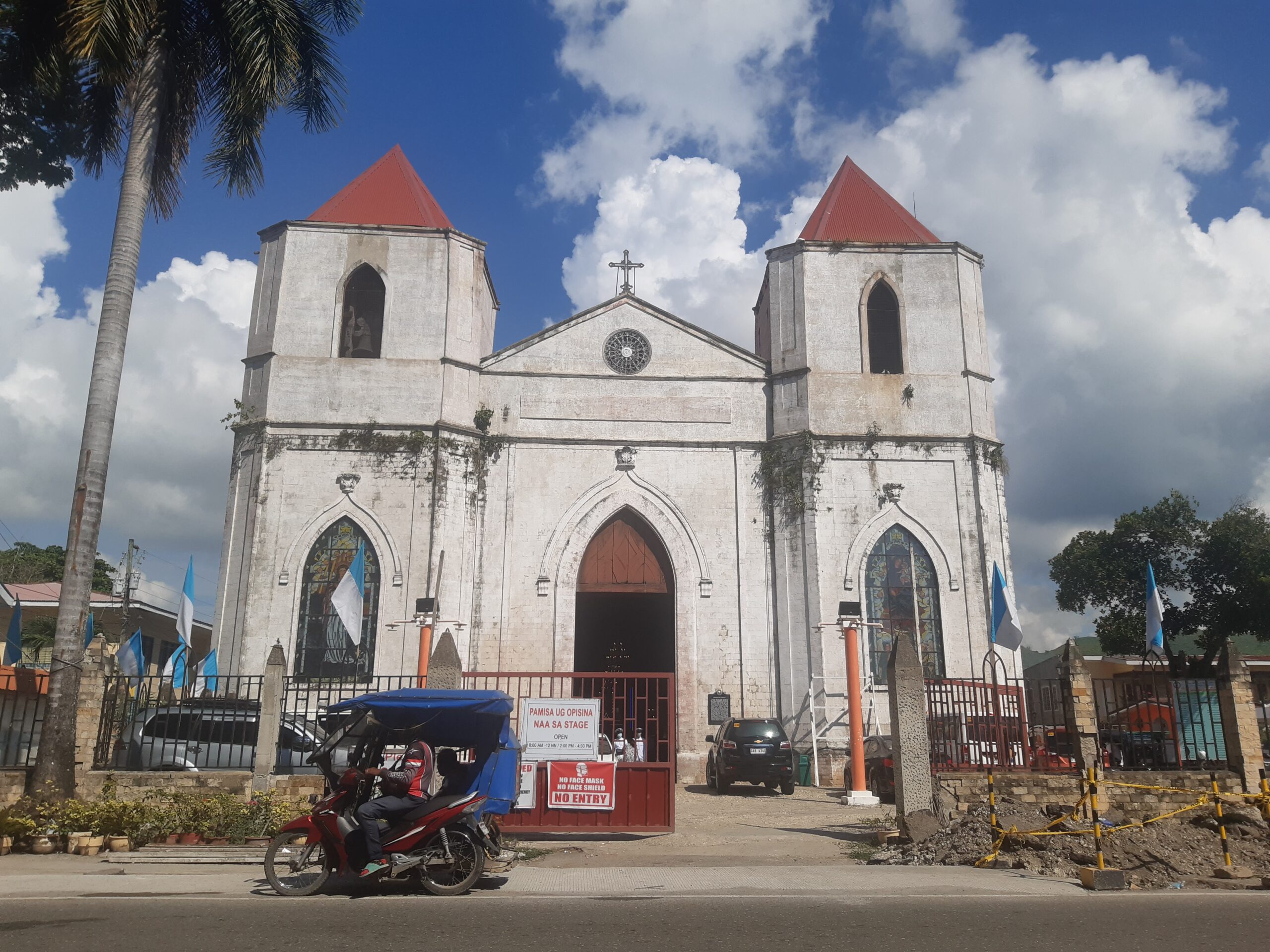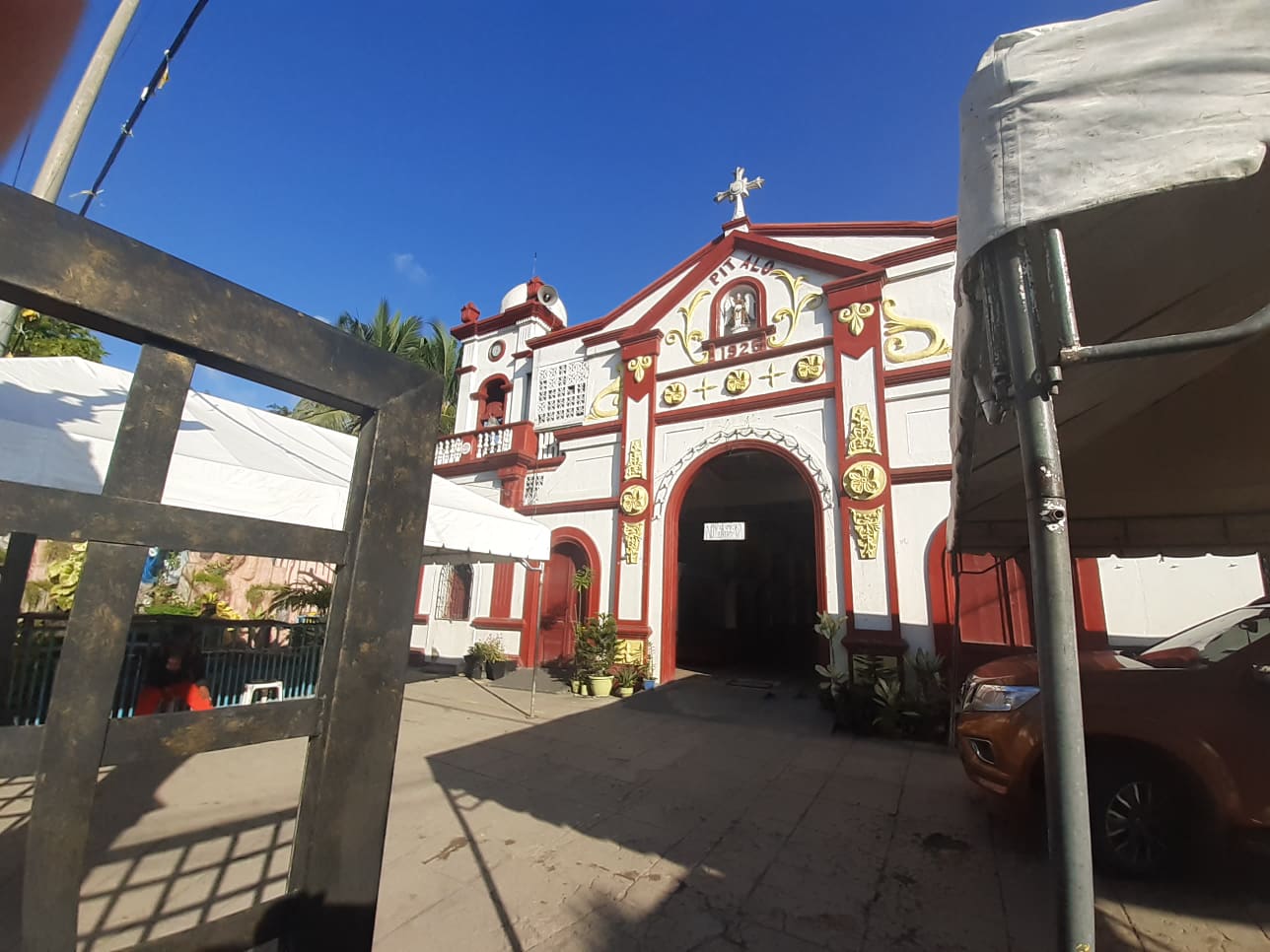
Located about 29 kilometers away from the hustle and bustle of the City of Cebu, San Fernando is one of the many municipalities of Cebu. Its history dates back to 1858 when the parish and municipality was formed and formalized through the issuance of a royal decree. Its name is taken from one of the beloved priests who once served the town a priest by the name of Fernando Sanchez which would become San Fernando. A man by the name of Juan Diyong and many other unnamed people petitioned for San Fernando to become a separate parish from Naga and so the petition was granted which leads us to the church, though this is somewhat legend. Here is a short history of San Fernando Church.
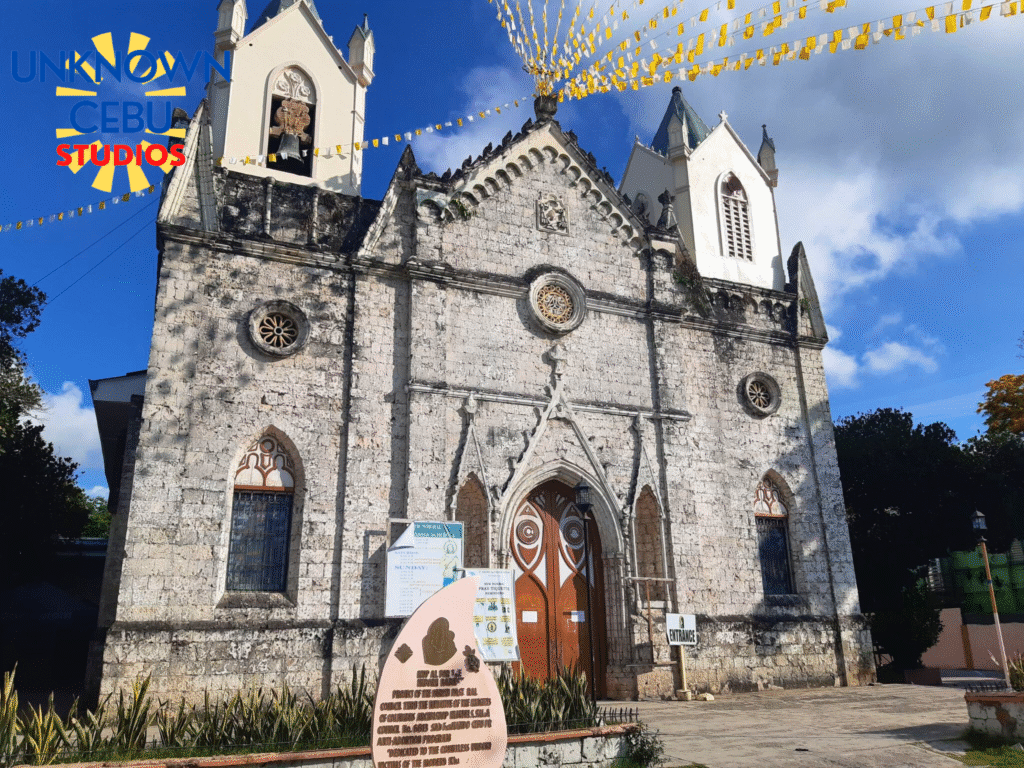
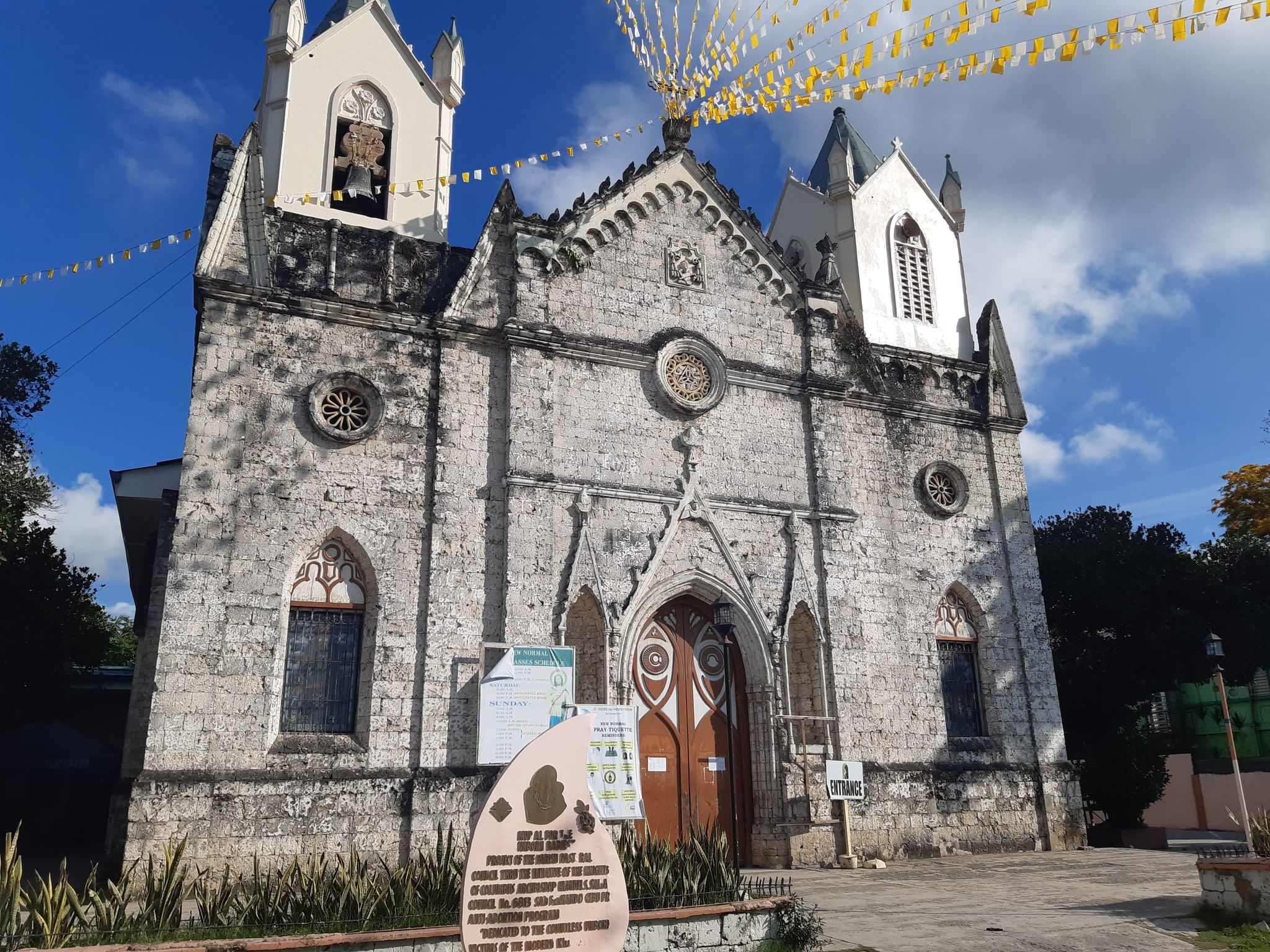
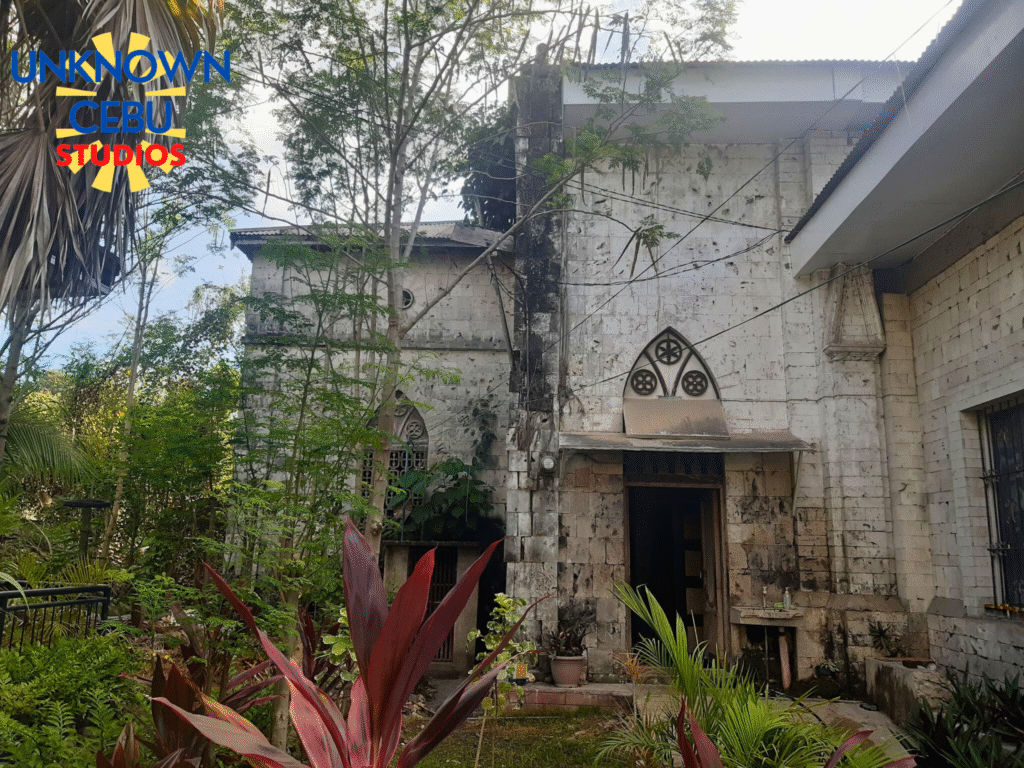
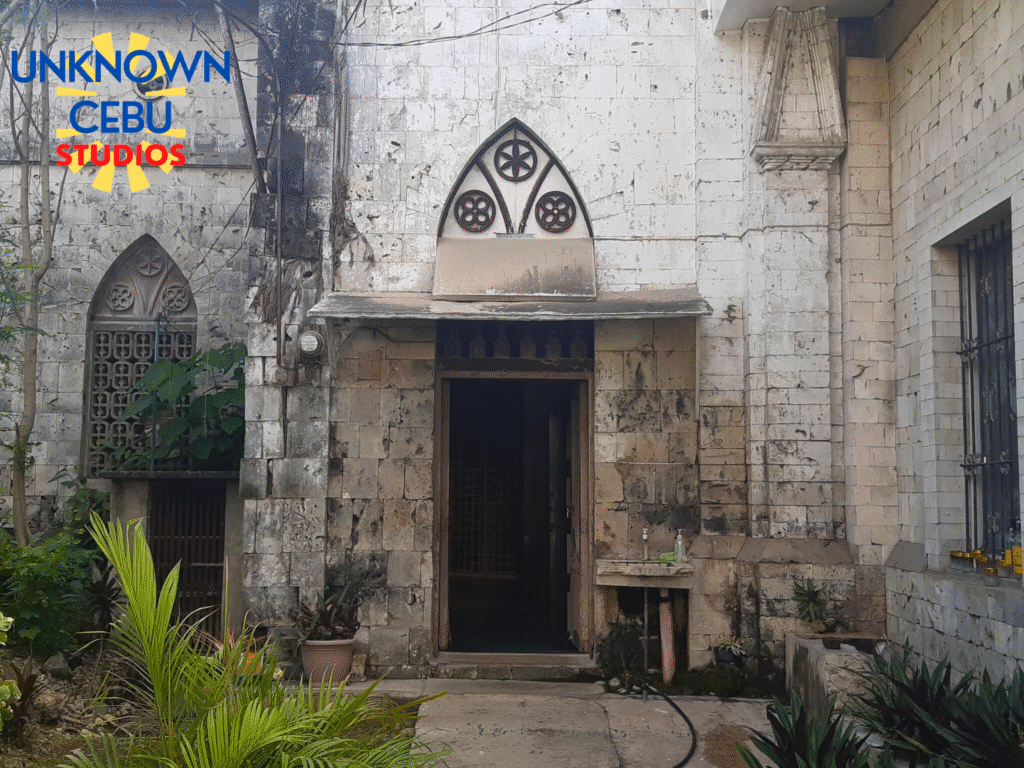
The church built in the Neo-Gothic style with pointed arches and other elements of Neo-gothic architecture The church had started construction by 1872 but due to lack of funding and labour concerns the church was finished later than expected in 1886 a full 14 years after construction had started and maybe even more. It’s facade is a mix of baroque and Neo-gothic designs and unlike other more modern Neo-gothic churches and chapels the bend of baroque and Neo-gothic on this churches facade is well designed and does not let one interfere with the other. Thick distinguished baroque pilasters and neo-gothic rosettes coming together to build a cohesive and eye pleasing façade.
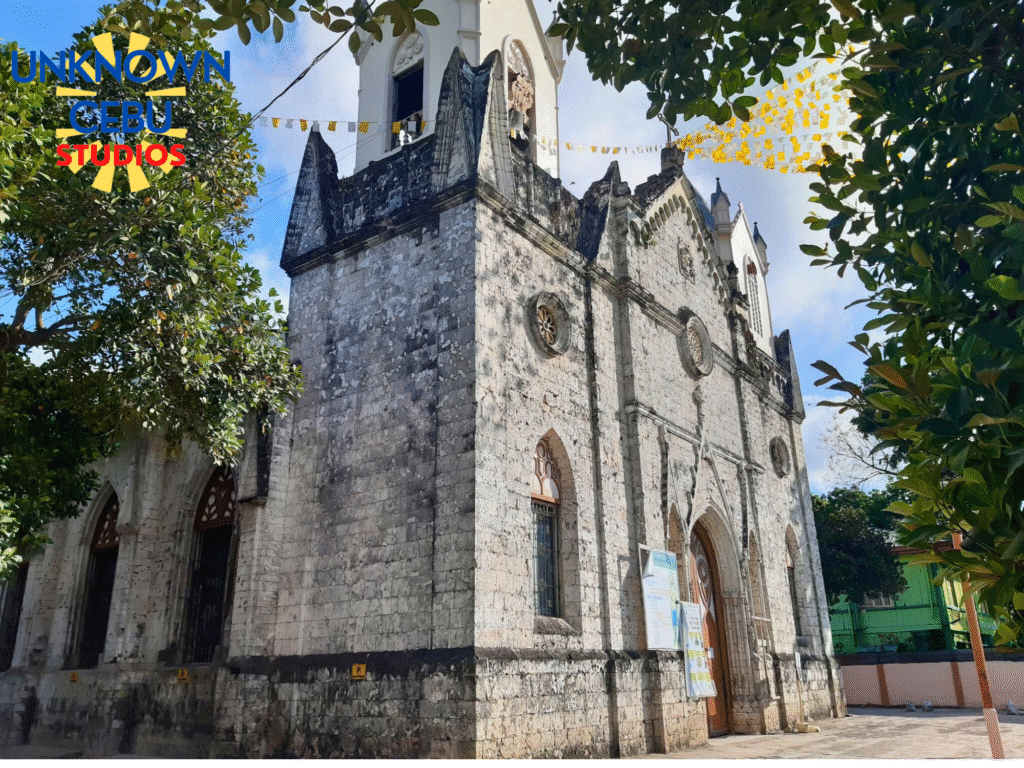
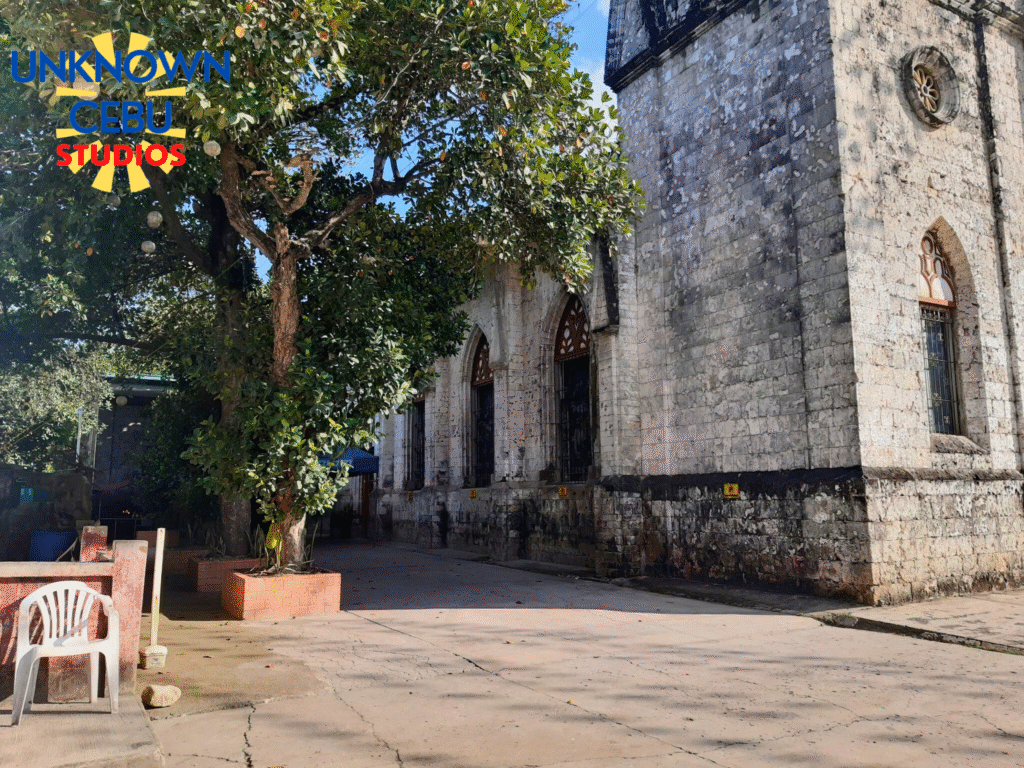
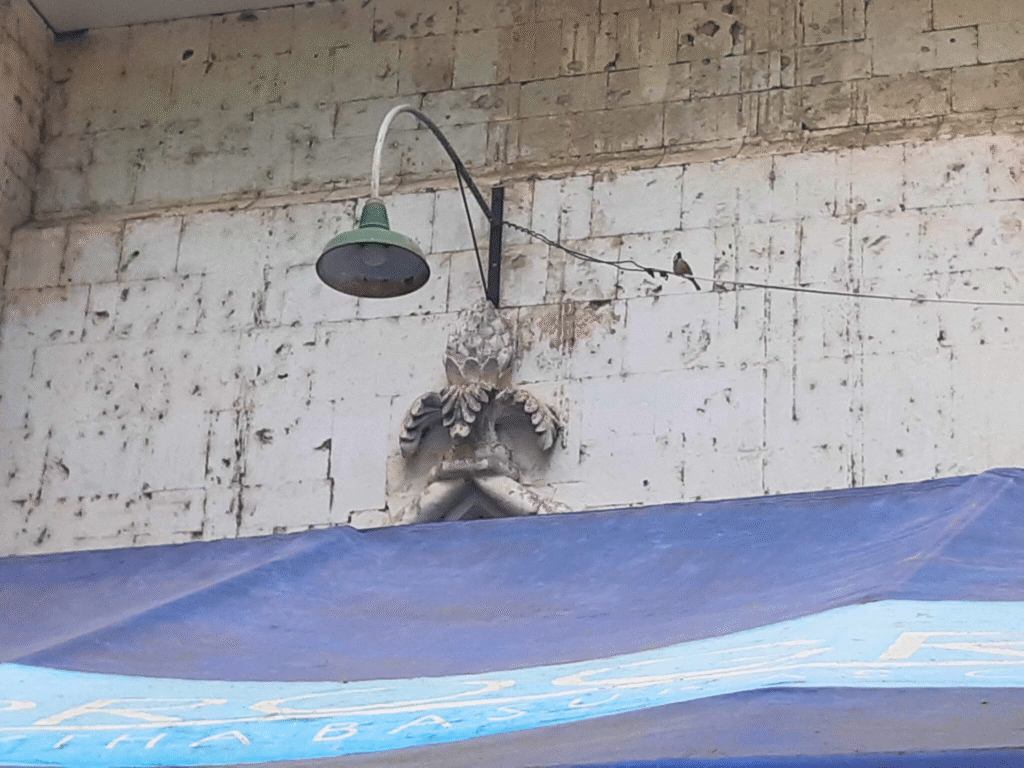
Built with thick cut coral stone blocks the church is a quite imposing and strong structure. In my opinion the churches walls are a just a bit thicker to allow for the pointed arch which although disperses weight better are prone to earthquake damage. The church was originally constructed with only a single bell tower as shown in a early 20th century photo. Later a second belltower was added to the right side of the facade completing the symmetrical look we know today. Both the gospel and Epistle sides of the church (left and right) are symmetrical continuing the Neo-Gothic arches with some of the windows having a small carved fruit on top.
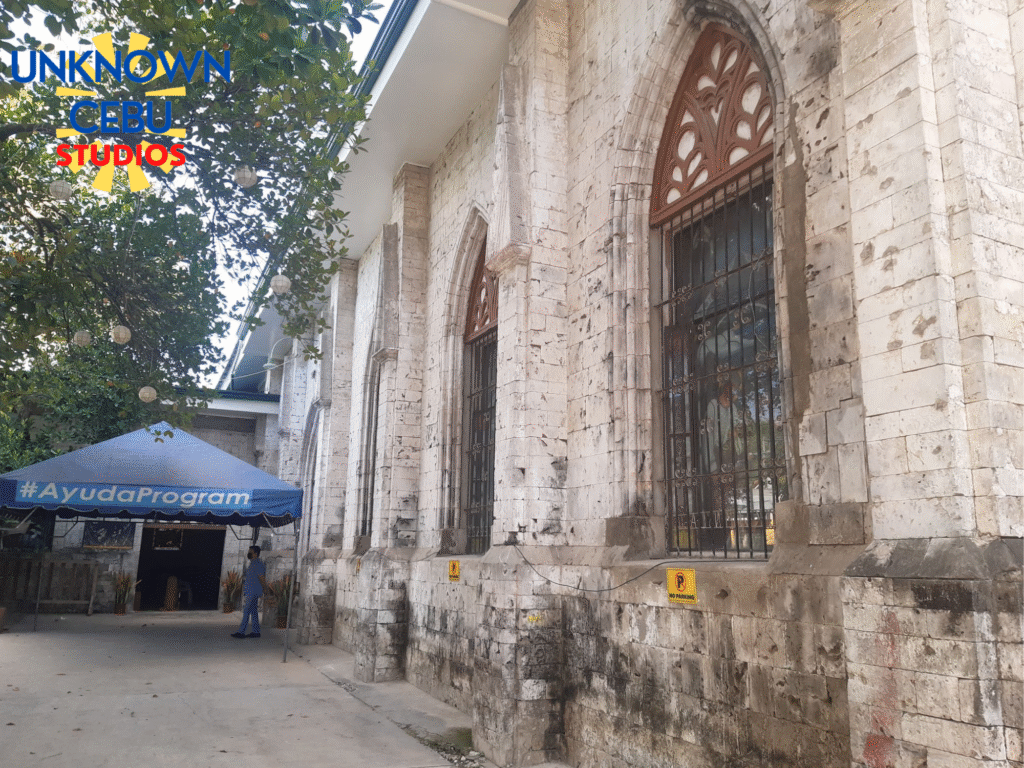
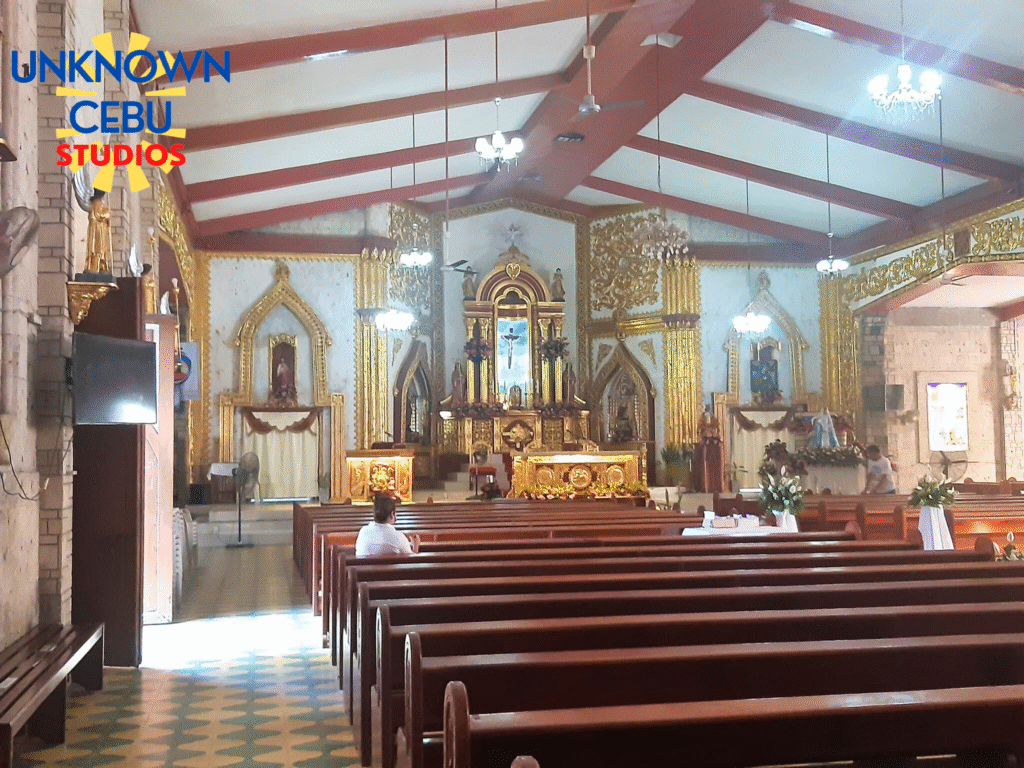
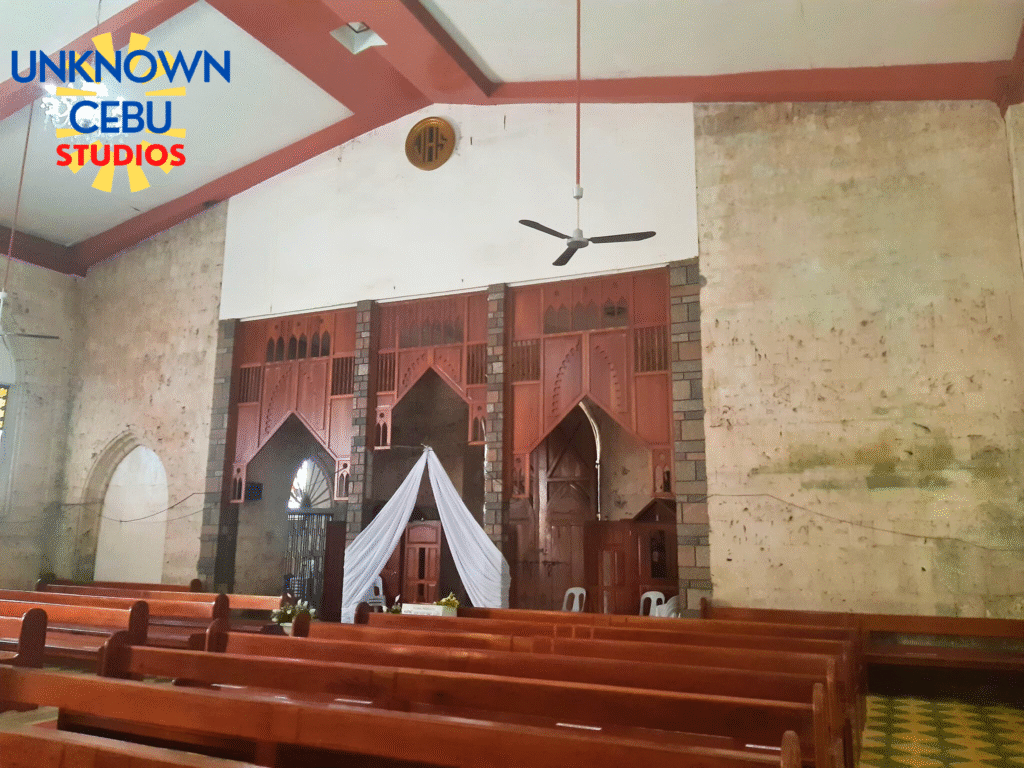
Inside the church it is sadly modern. What happened to the old inside of the church is unknown to me, it may have been a casualty of World War 2 or some later renovations. Inside, the gold gilded retablo and side altars are difficult to look at in my opinion. The churches retablo is a moderately decorated single space one with doric columns and a romanesque arch, I suspect that this is very modern. To the left and right of the main retablo are two Neo gothic styled altars that mimic the design of the windows outside, these are probably as old as the church. The churches ceiling is sadly bland and nothing much to look at.
In conclusion the church is a beautiful but incomplete vision of a Neo-gothic/baroque design. It has both beauty and some complexity but suffers from a gutted heart without the proper inside.
SPECIAL THANKS TO LANDEL FOR HELP IN MANY REGARDS