Among the many heritage sites in Cebu that feature buildings, monuments and churches there are also the Natural sites of Cebu. The many Natural sites in Cebu are not famous not necessarily because of their importance in history but because of their beauty. Humans are attracted to beauty and calm, Bojo River in Aloguinsan. “Bojo” meaning coastal trading is an appropriate name for the river as it was once a stopping point for local traders to stock up on fish and other necessities. There were once monkeys here but during the 1960s the area was dynamited so the monkeys left. The project to preserve and develop the Bojo River was started by the Aloguinsan Ecotourism Association and was funded by the Local government. The purpose of which was to serve as an alternative source of income for the community. The project was started in 2009 and in 2015 the organization was awarded as the Best Community-Based Initiative Award for their efforts.
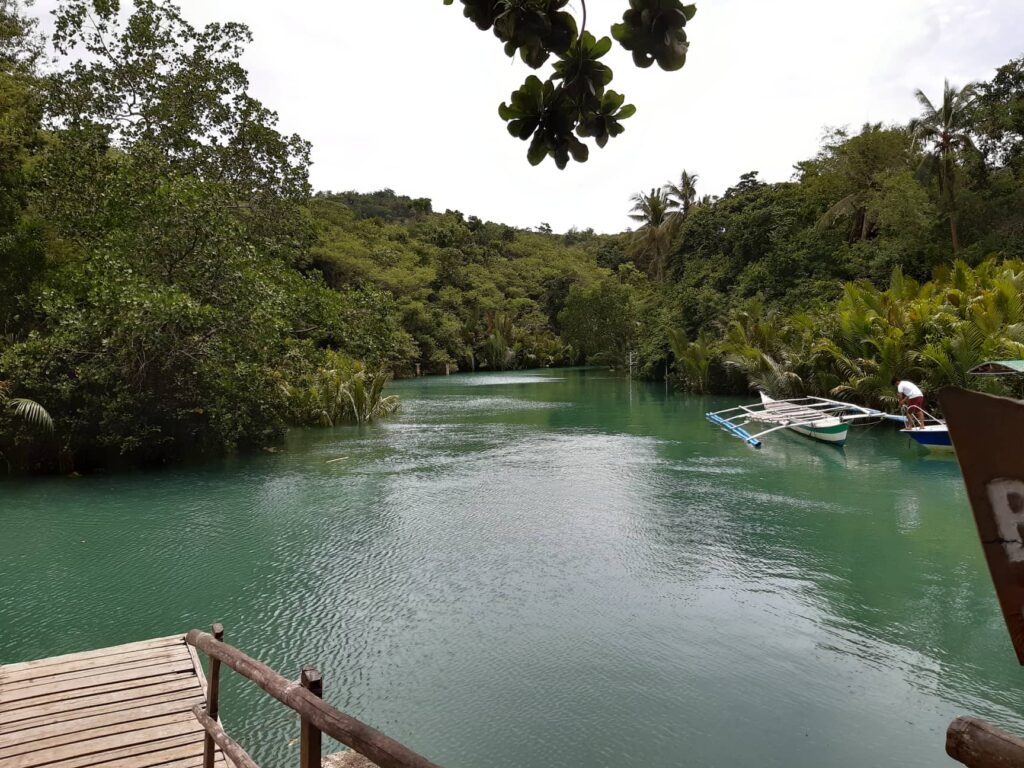
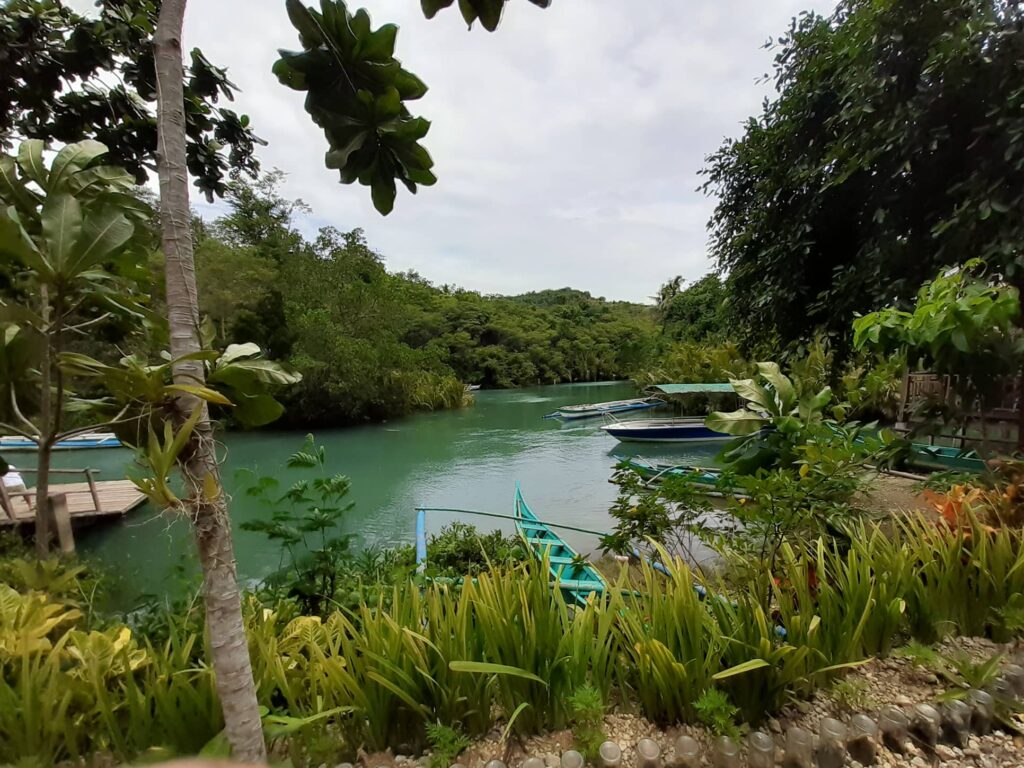
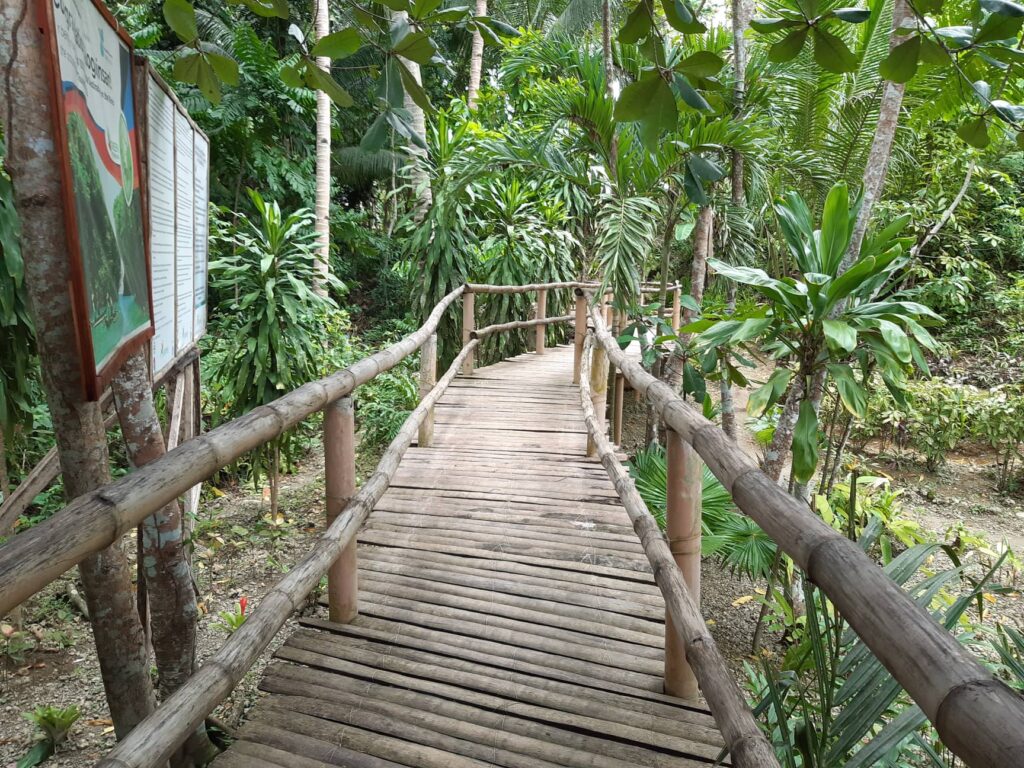
Before arriving at the river itself you are greeted by a long bridge constructed of Bamboo, Below you can see many species of Mangrove and Nipa. The bridge was put here so that the people could get across during high tide. When you arrive at the river itself you are greeted by a bamboo shed where you can prepare and pay for the ticket to ride the Bangka or when it is high tide take the glass bottom boat out to sea. There is a coral reef nearby that is protected by the government.
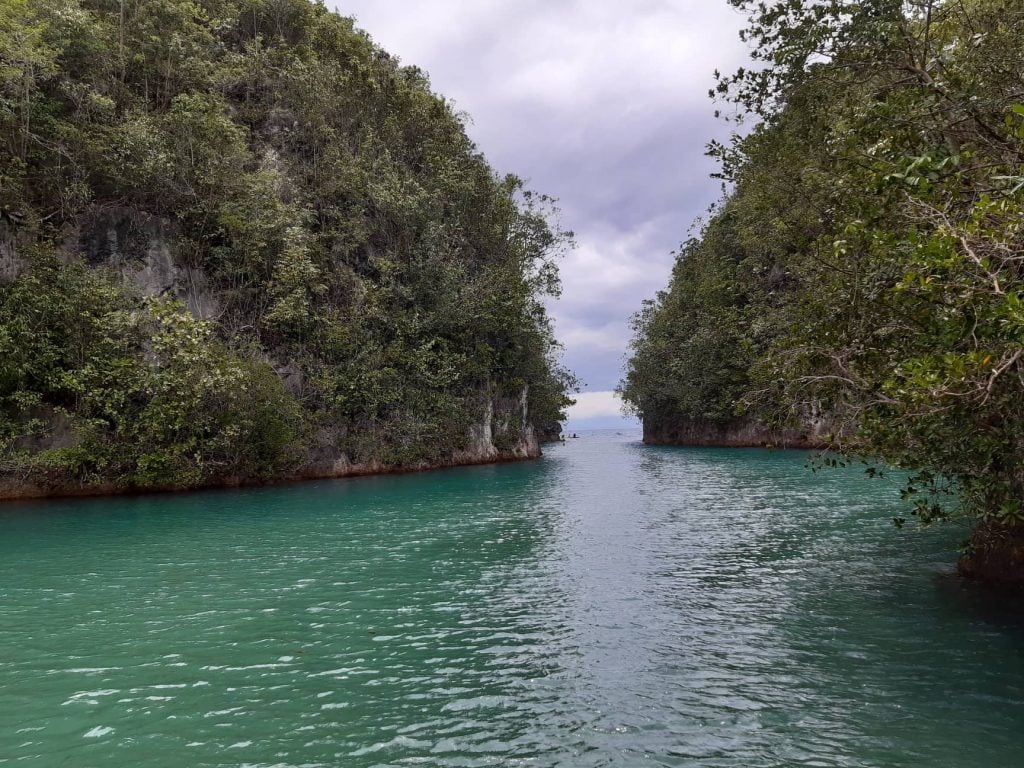
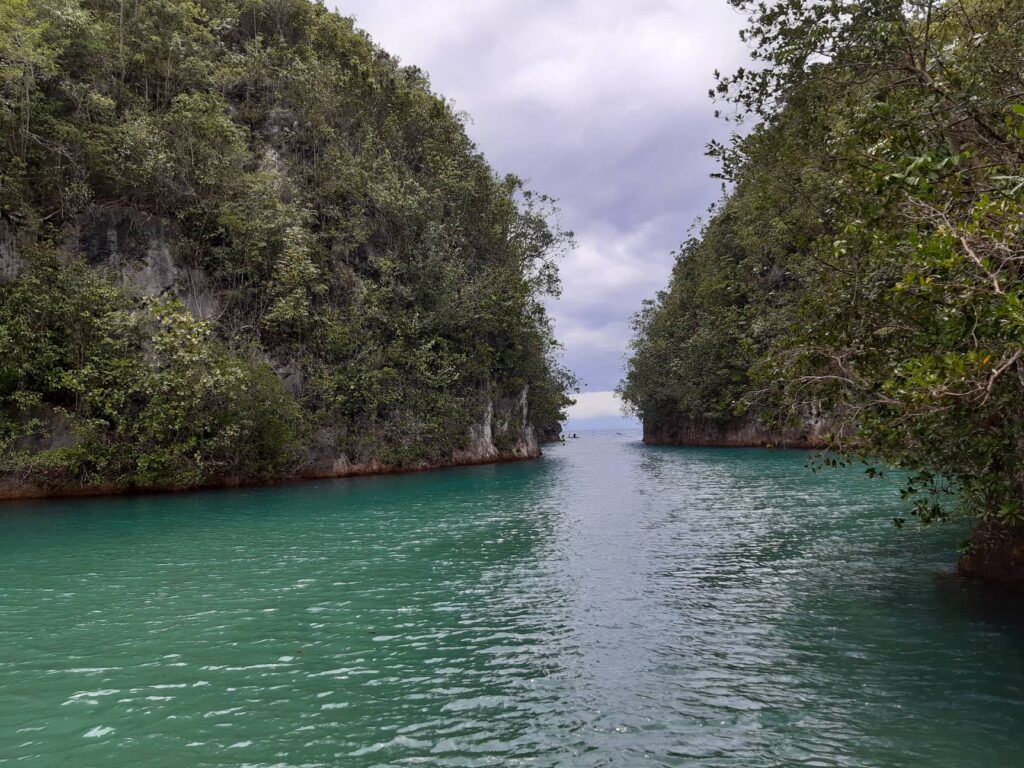
When you finally get on the boat with your tour guide you will see many wonders going to the mouth. You will pass by a salt making area where our ancestors made salt by collecting the salt water and then leaving it out to dry and make salt. When you near the river mouth you will see what the people of Aloguinsan call “the forest of the lost monkey” reffering to the monkeys which used to roam this area. Looking at the limsestone cliffs that look like the cliffs you would see on Palawan islandyou will see holes and caves that once served as the homes of the animals that were once here. The people believe a spirit lives in this area because of the rampant poaching and hunting that occured here years ago. The area was also damaged because of treasure hunters believing that Yamashita gold was buried here when the Japanese left the Philippines in 1945.
When you reach the mouth of the river you can see two cliffs that flank the small opening, going towards the opening you are greeted by thousands of small tilapia fish who camp out the opening. Outside the mouth of the river there is a wildlife reserve with many types of coral and fish.

The natural heritage of Cebu is beautiful and important not only as a tourist destination but also as a historical site.

